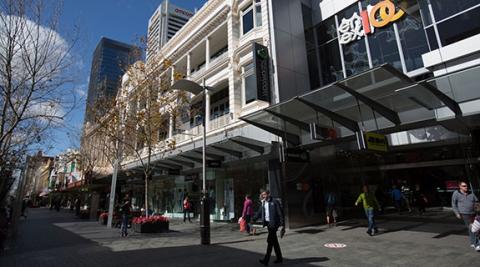
Personal bankruptcies in Western Australia were almost 23 per cent higher in the September quarter than in the same period last year, while business related personal bankruptcies were up 54.3 per cent.
Unemployment has hit its highest level in Western Australia in more than a decade, at 6.4 per cent, despite the state's employment reaching its highest level on record, in trend terms.
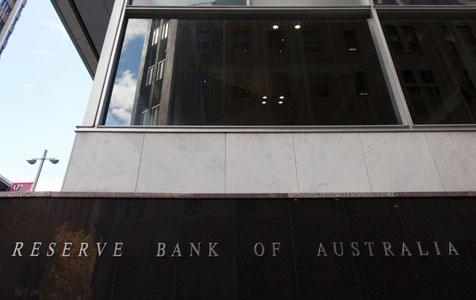
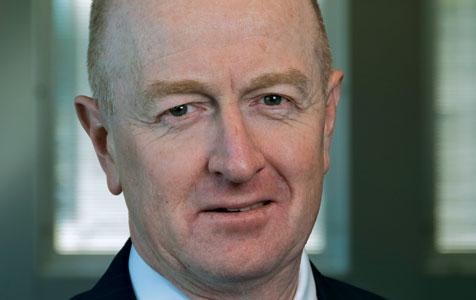
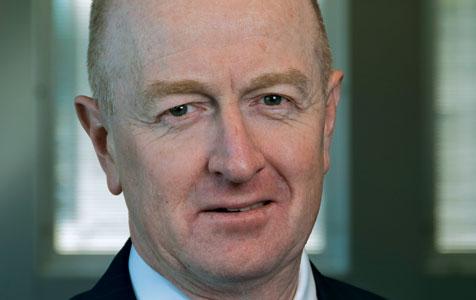
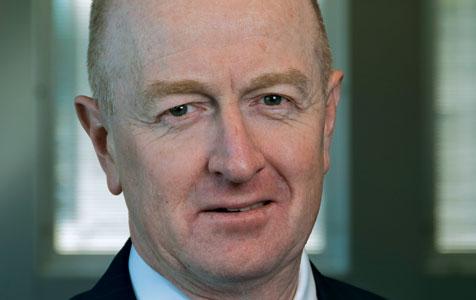
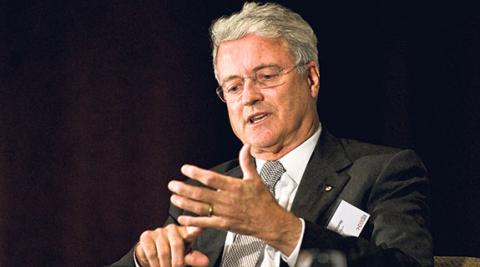
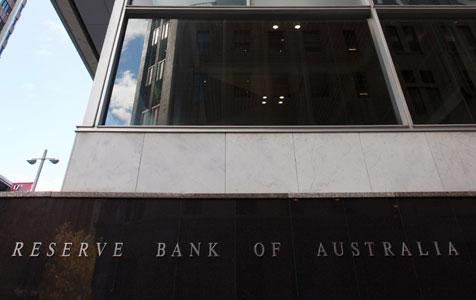
Reserve Bank of Australia governor Glenn Stevens has pointedly refused to endorse the decision by the banks to protect their profits by jacking up home loan rates.
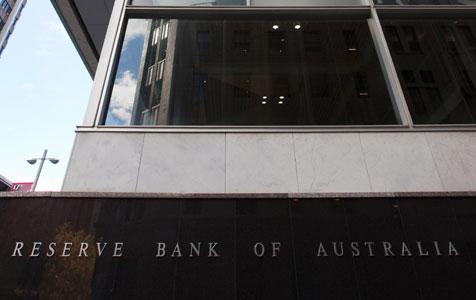
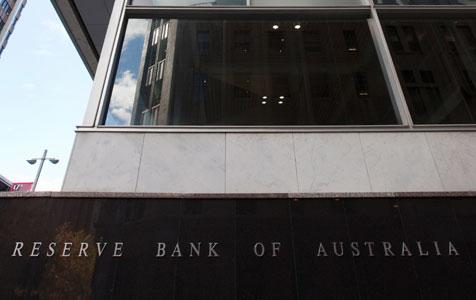
The Reserve Bank of Australia has resisted temptation to slash interest rates to another historic low, but has flagged the possibility of cuts in the near future.
Businesses are benefiting from the "Turnbull effect" but that won't necessarily stand in the way of an interest rate cut when the Reserve Bank of Australia holds its Melbourne Cup day board meeting.
As much as Australia might benefit from a cut in official interest rates, it would definitely benefit from encouraging a new industry, such as the nuclear-fuel processing facility being championed by the South Australian government, and supported by Prime Minister Malcolm Turnbull.
Tame inflation figures have given the green light to the Reserve Bank of Australia for an interest rate cut, but it remains unclear whether the central bank is inclined to step on the accelerator at its next monthly meeting.
The unemployment rate in Western Australia was unchanged at 6.1 per cent in September, however it disguised a fall in employment as the number of people working fell by over 9,000 during the month.
While it's a close call, chances are the Reserve Bank of Australia will cut rates again before year end reflecting the poor business investment outlook, greater than expected weakness in commodity prices, and the $A remaining too high.
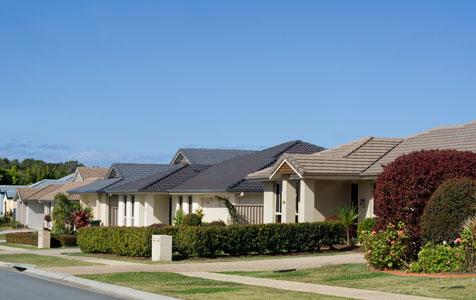
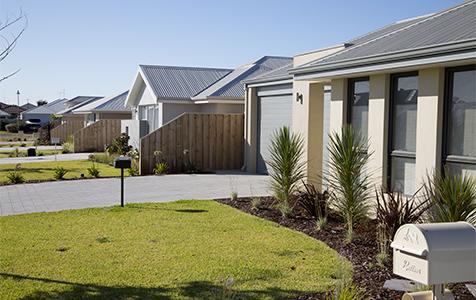
The average home price dropped 0.3 per cent, to $545,000, in Perth in the 12 months to March, against a national average gain of 6.9 per cent, to $576,100.
Former federal Treasury secretary Ken Henry will take the helm of National Australia Bank's board when chairman Michael Chaney retires at its next annual general meeting in December.
The Reserve Bank of Australia has cut the official cash rate by 25 basis points to 2 per cent, saying the outlook for inflation helped shape its decision to reduce rates to a new historic low.
Can interest rates rise and fall at the same time? They can if you're looking at different markets, because just as the Reserve Bank of Australia considers a fresh cut in its prime rate to try and boost the local economy, interest rates in other markets are starting to rise.
It is a long time since Western Australia had its own finance industry and while shadow banking, the hottest game in the money world, could be just another fad that fades as quickly as it has grown, there is the potential for home-grown finance to make a return to Perth.
A surprise fall in home loan approvals in November shows the national housing market is starting to moderate and a rate cut should be on the cards early in 2015, according to the Real Estate Institute of Australia.
In a recent interview, RBA governor Glenn Stevens suggested the Australian dollar might fall to US75 cents in 2015. And he intimated that it wouldn't be a bad thing.
High debt levels and rising interest rates are an unpleasant combination, but everyone with an interest in the retail, property and share markets would be wise to see that one factor has arrived and the other one is on its way, potentially producing a pincer-squeeze on spending and growth.
The Australian dollar appreciated by about 50 per cent in trade-weighted terms during the past decade. The appreciation was an important means by which the economy was able to adjust to the historic increase in commodity prices and the unprecedented investment boom in the resources sector.
The Reserve Bank of Australia cut the official interest rate by 25 basis points at its monthly board meeting today, taking rates to a historically low level of 2.75 per cent.
The Assistant Governor of the Reserve Bank of Australia has joined other finanical experts in suggesting the Asian region had been largely insulated from the economic downturn and would aggressively outperform other global economies in the medium term.
THE Reserve Bank was expected to lift official interest rates after its board meeting this week.Whether it moved this week, or next month, it is inevitable that rates will increase over the rest of the year.
THE Reserve Bank is applying a heavy-handed approach to the economy, warned CPA Australia after the recent announcement of a further 0.25 percentage point increase in interest rates.