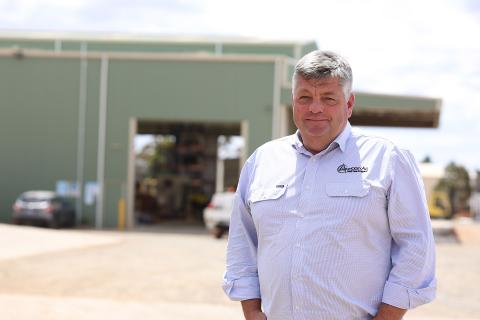
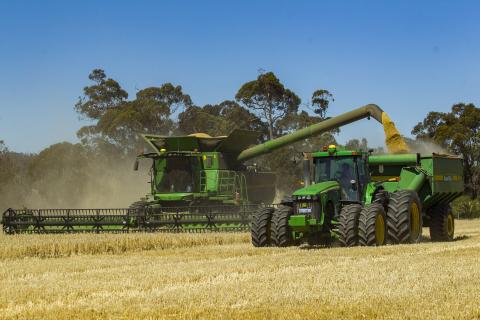
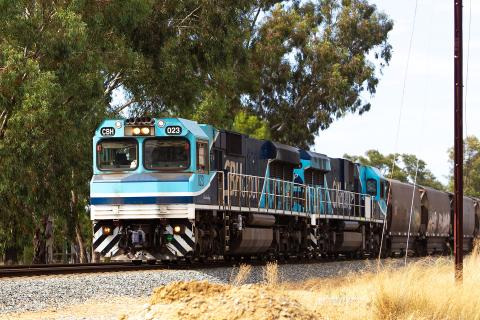
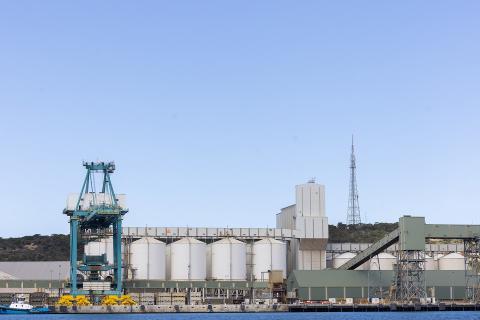
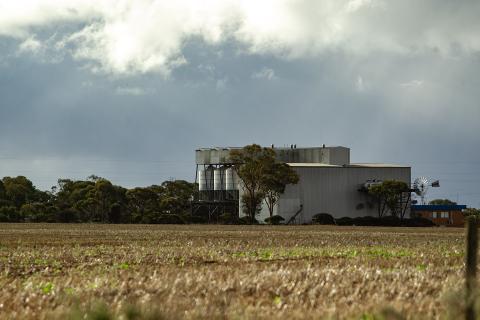
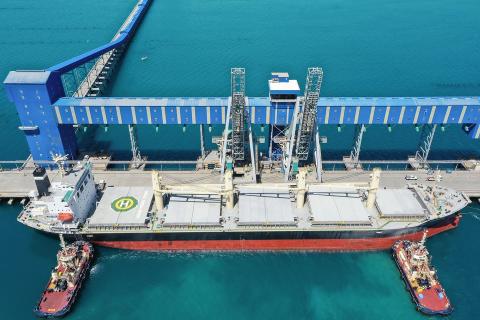
CBH Group is looking to increase rail haulage from its York receival site to cope with the volumes coming in from what is expected to be a record harvest.
Western Australia's 2025 grain harvest is looking increasingly likely to break records despite a lack of finishing rains hampering yield potential in the central agricultural region.
This week's appointments include Michael Allan, Penny Fielding, Michael Veletta, Perenti leadership changes, new director appointments at Mineral Resources, and others.
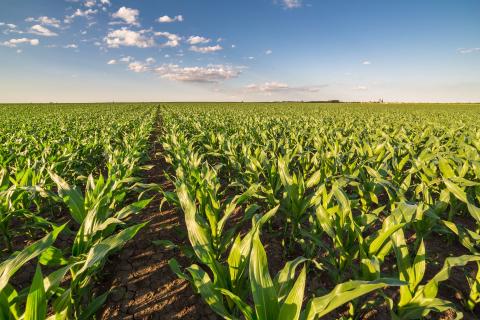
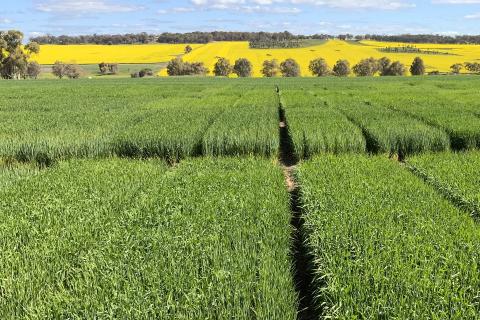
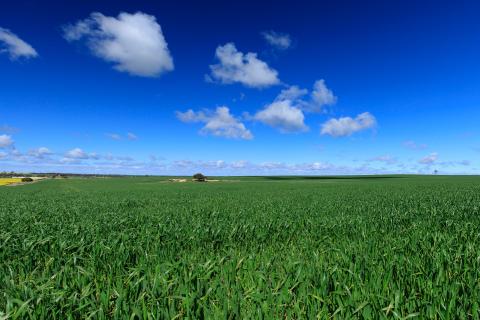
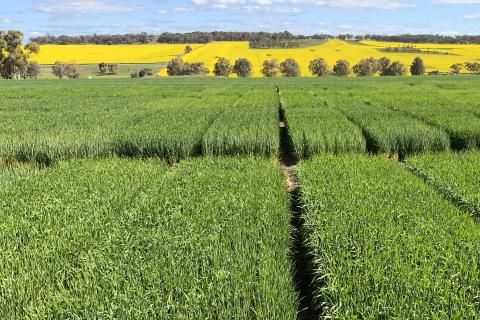
Recent rainfall has given Western Australian farmers some reprieve for the start of the crop season but an industry body says more was needed to hit a potential 16 million tonne yield.
Predictions for a poor growing season have been thrown at the window by Western Australia's peak grains industry body after a fortnight of well-timed rains across the state's south.
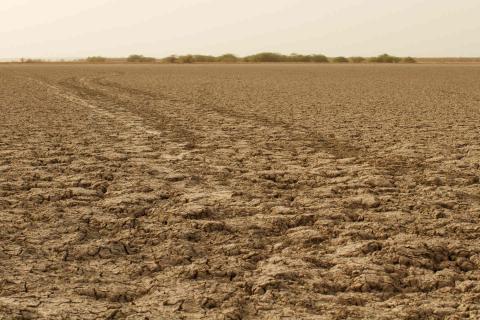
Western Australia's grain harvest has shrunk by nearly 50 per cent from the record highs of recent years, though yield improvements are buffering farmers against increasingly unpredictable rains.
Our weekly appointments wrap includes Michael Holmes, Stuart Gula, Tress Walmsley, Lyndon Mickel, Paula Wilkinson, Mark McGowan, Peta Slocombe, Kaylene Gulich, Kathleen Conlon, John Humphrey and Richard Goyder.
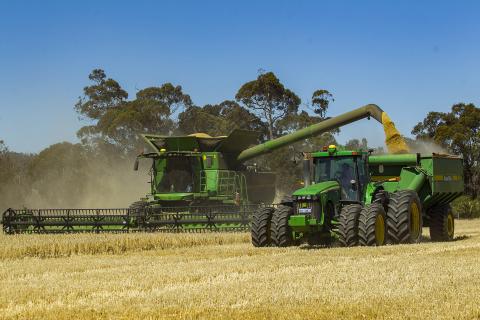
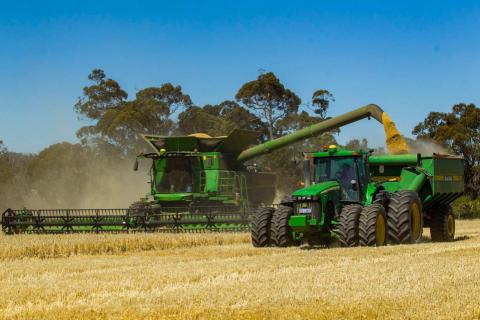
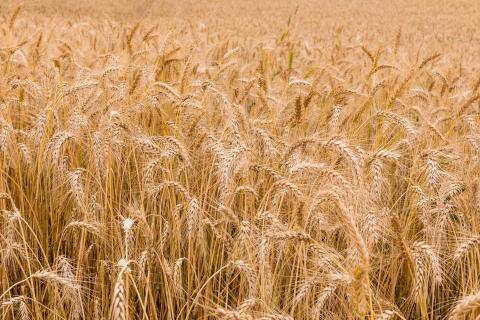
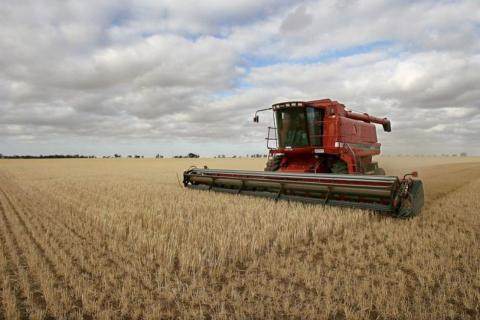
The country's largest grain handler has called an end to the harvesting period, with Western Australia delivering a record 22.7 million tonnes of crop into the network.
Rain over much of the grain belt last week means crop production is on track for a near-record year, according to the Grain Industry Association of Western Australia.
Well-timed rain in July and August has increased the chances of the 2022 crop reaching 20 million tonnes, according to the Grain Industry Association of WA.
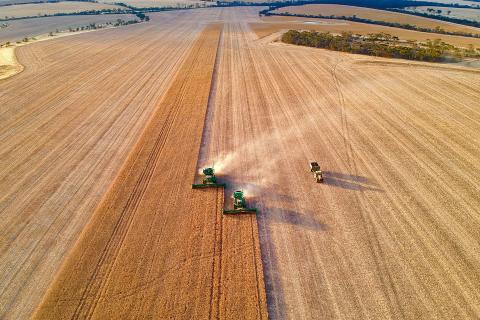
The harvest of this year's record crop has been “stop-start” due to continued rain and cool conditions, leaving most of the grain still in the paddock.
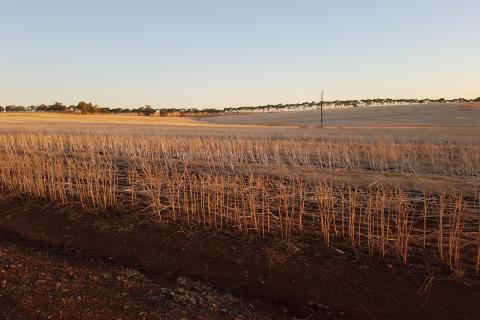
A lack of spring rain and recent frost events are likely to reduce final grain crop tonnage in the state, but a record-breaking harvest is still within reach.
Increased yields, improved water-use efficiency and strong grain and livestock prices contributed to a successful 2020 for broadacre farmers, despite trade tensions and the COVID-19 pandemic.
Western Australia could produce a record-breaking 20 million tonnes of grain this season, according to the Grain Industry Association of Western Australia's crop report.
Our weekly appointments wrap includes Daniel Heredia, Stephen Smith, Cheryl Edwardes, Tricia Murray, Ashley Wiese, Tress Walmsley, Dharjinder Rooprai, Taj Singh, Emily Young and Matthew Zilko.
WA agricultural researchers will explore emerging markets for bakery goods and noodles and rice made from oats in South East Asia after receiving $2 million in funding from the state government.
The investment intentions of Western Australian farmers remain the highest in the country despite sentiment dropping to multi-year lows, according to Rabobank Australia's latest rural confidence su
Significantly lower grain production is on the cards in Western Australia for the 2019-2020 season, with Rabobank Australia predicting a fall of over one third.
Heavy rainfall over the past few days will be good news for WA's farmers; however, most have already cut back their expected cropping area due to dry weather conditions in recent months.
Western Australian grain growers have had one of their best ever years, with 16 million tonnes moving through cooperative handler CBH Group's network, about 400,000 tonnes above August estimates.
This season's Western Australian grain output will be 800,000 tonnes higher than previously expected, at 16.3 million tonnes, according to the Grain Industry Association of Western Australia, at a time when Asia is facing a potential supply shock.
Farmers could be set for a near record grain harvest of 15.5 million tonnes this season in Western Australia, according to the Grain Industry Association of Western Australia.