WA property owners are investing in solar, batteries and electric vehicle charging as they seek to reduce energy costs and prepare their assets for a changing electricity market.
But EnergyTec director Damien Moran says one of the most fundamental pieces of that transition is often being overlooked.
“Every other part of the building’s been upgraded but the metering,” he said.
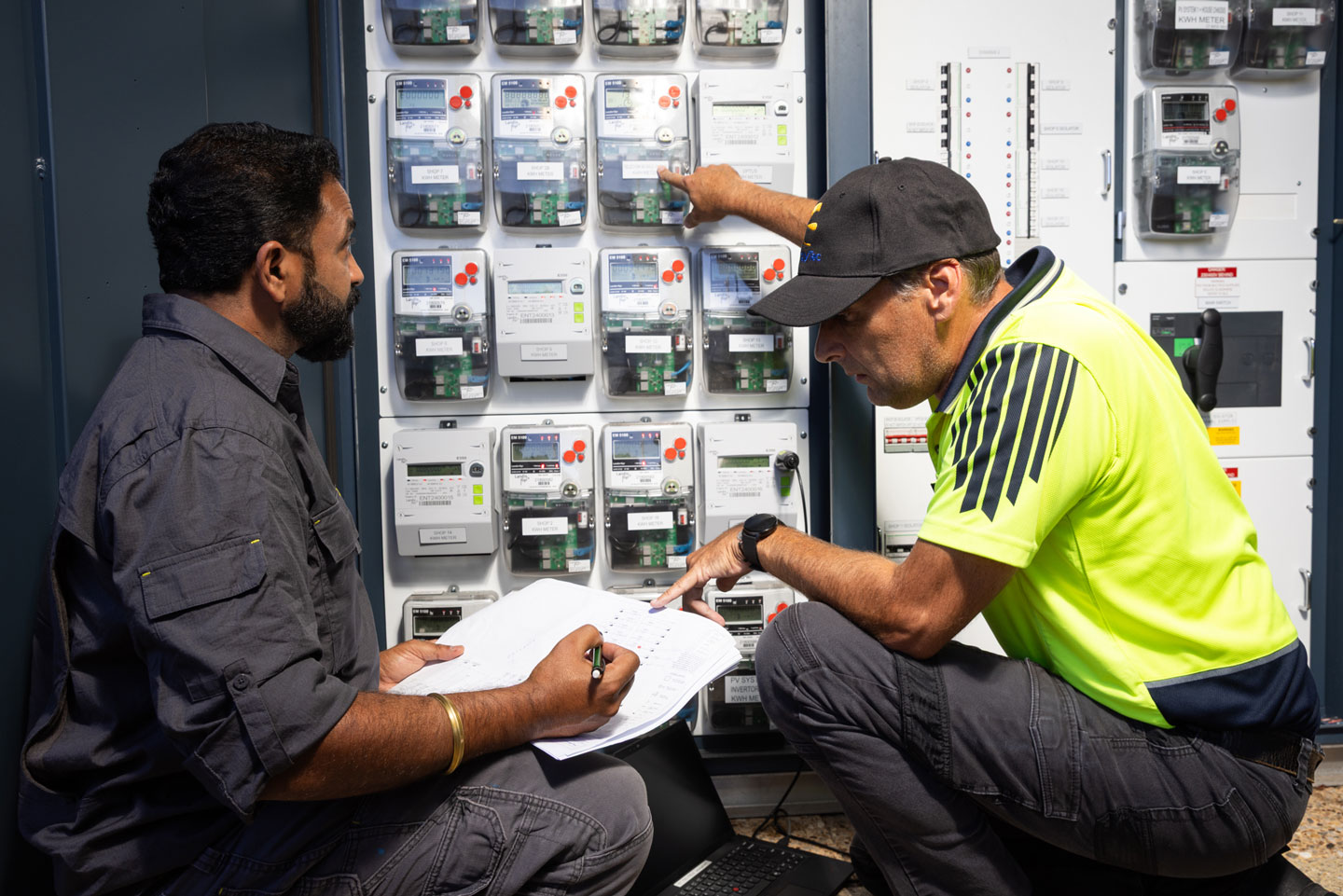
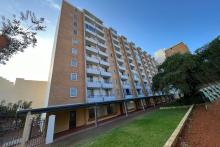
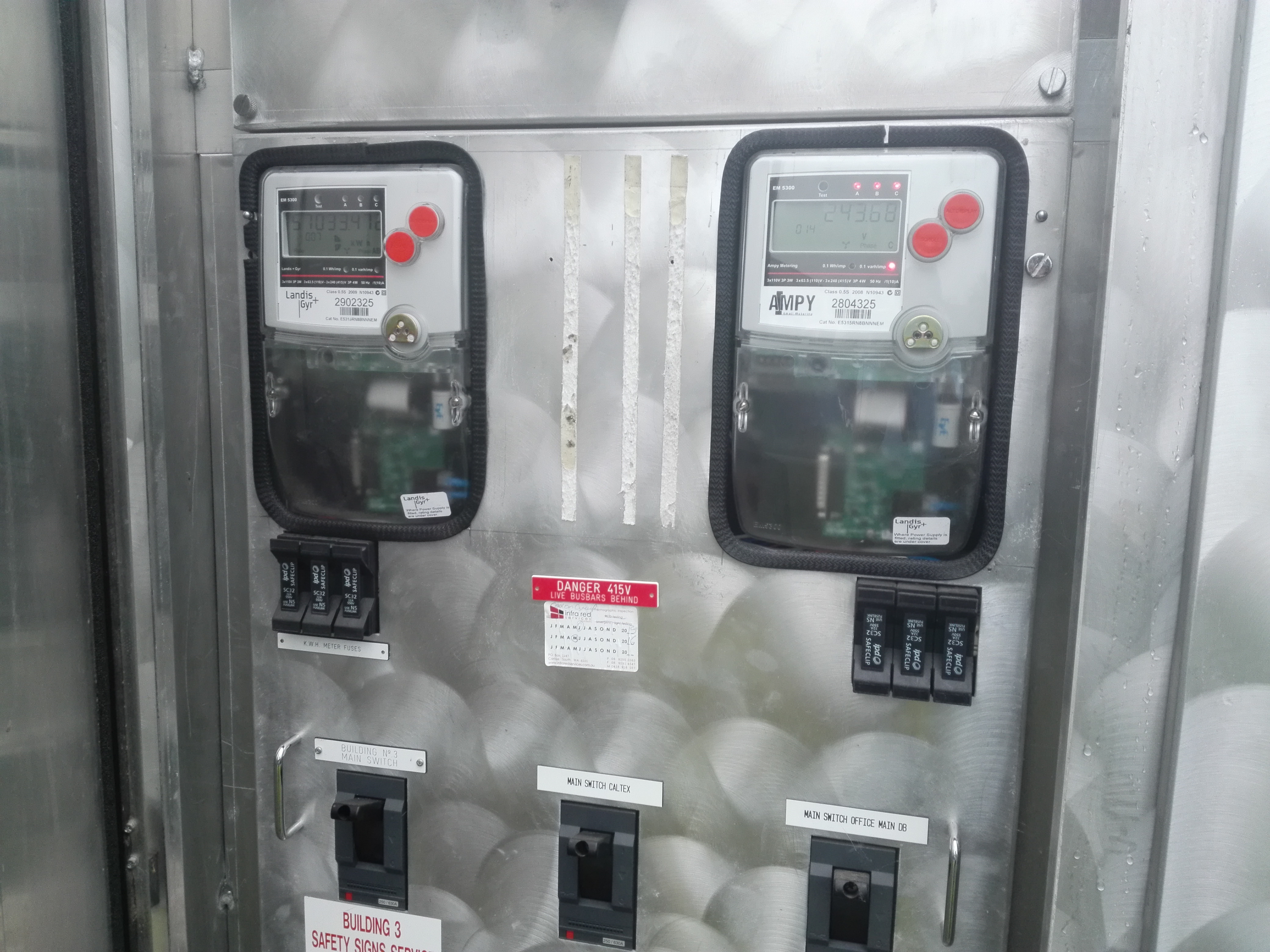
Across WA’s commercial and strata property sector, many buildings continue to rely on metering installed when they were first constructed.
Mr Moran said 93 per cent of strata properties operating as embedded networks had antiquated metering, while some residential complexes had no individual metering at all.
In those cases, occupants may effectively pay an average rather than for their own consumption – meaning lower-use residents, including FIFO workers who spend extended periods away, can end up subsidising higher-consuming neighbours.
The numbers are similar in the commercial property sector.
The data gap
Moving from analogue and manually read meters to advanced digital infrastructure is about more than replacing ageing equipment.
EnergyTec head of operations and technology Champ Phetiam likened the difference to using a smartwatch to monitor health.
“If you want to look at your building efficiency, you can’t have your data point being the sum at the end of the month,” he said.
“You want to know about it for that day, for that hour. When does your tenants’ energy use reach its peak?”
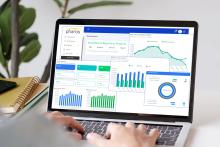
Advanced meters can provide interval data that allows owners and occupants to identify peak demand, build a clearer picture of consumption and make better-informed decisions about energy use.
That information becomes particularly valuable as property owners invest in renewable energy.
EnergyTec has seen properties spend hundreds of thousands or even millions of dollars on solar without installing the metering needed to accurately understand how much energy those systems generate and how generation aligns with demand.
For example, data showing a building’s peak demand occurs after solar generation falls away could strengthen the business case for battery storage.
“That all can only be done with measurement and with a consistent measurement tool,” Mr Moran said.
The capital question
For property owners, modernising metering competes with investment in solar, batteries, EV charging and other building upgrades.
Mr Moran said the first step was understanding what infrastructure was already in place and whether it needed to be replaced.
EnergyTec conducts feasibility studies to assess existing metering networks and establish an appropriate upgrade pathway.
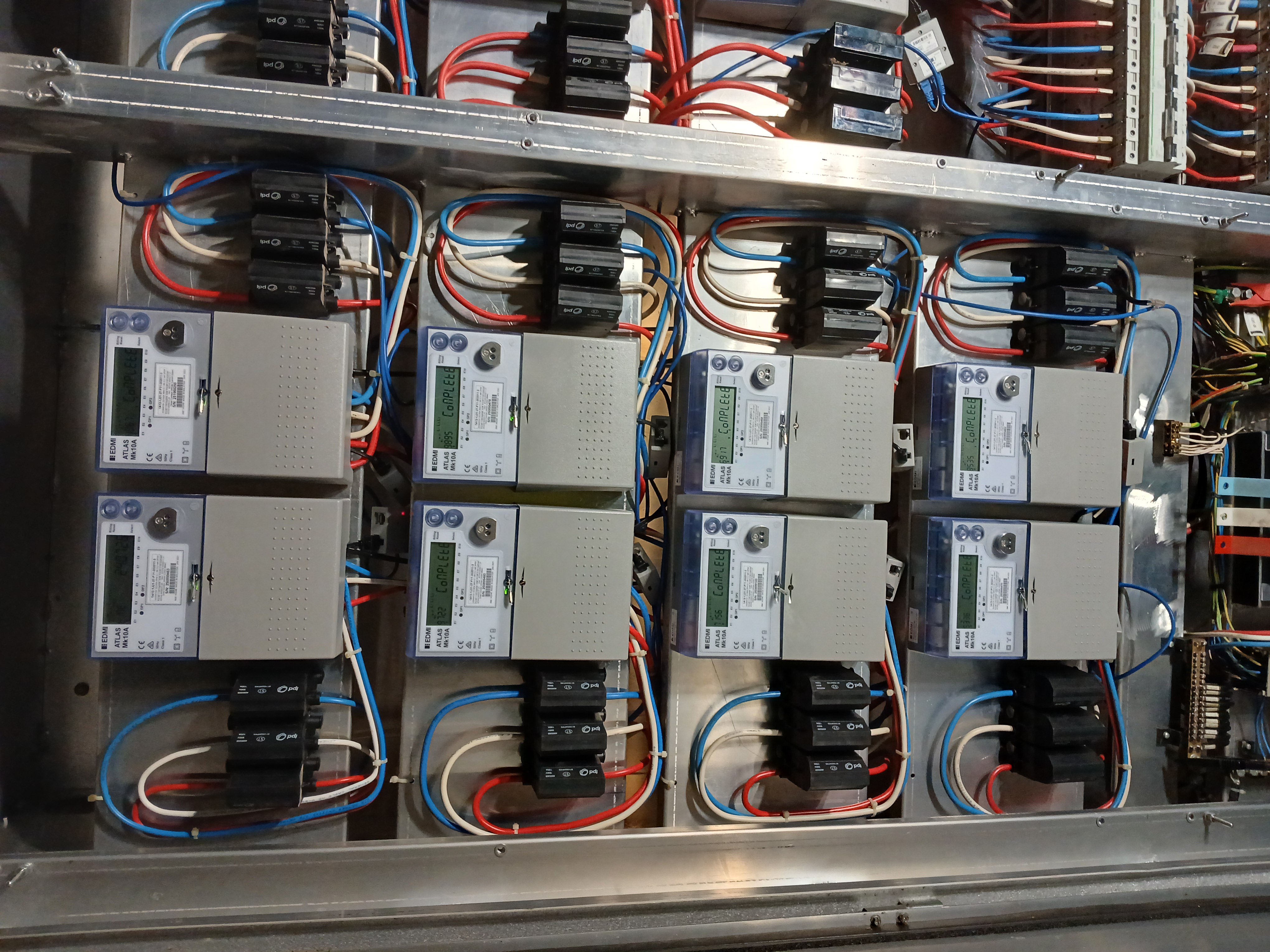
Mr Phetiam said a full replacement isn’t always required. Some properties have suitable meter brands, but needed an upgraded communications layer to enable digital readings, while older sites may need complete replacement.
For owners weighing where to allocate capital, EnergyTec has also introduced Metering as a Service, which shifts metering from an upfront capital investment to an ongoing operating expense.
“It simplifies the whole management undertaking,” Mr Moran said. “It becomes a meter fee per month. So it changes it from a capital expenditure to an operational expenditure as a service.”
Depending on the property, the model can retain existing infrastructure, fund a communications upgrade or provide replacement meters, while ongoing maintenance and monitoring are managed as part of the service.
Mr Phetiam said that under the traditional model, the process from identifying a faulty meter to securing approval and replacing it could take an average of six weeks.
Connected meters, by contrast, can be monitored at half-hour intervals or less, allowing faults to be identified much earlier.
A more flexible energy market
The investment question comes as WA develops its Alternative Electricity Services regulatory framework, with consultation on the proposed Single Property Network Code due to close on September 25.
Registration of single property networks is expected to begin from July 1, 2027.
EnergyTec made a submission on the proposed framework and wants single property network service providers to be able to offer time-of-use tariff structures where advanced metering is available.
Mr Moran said greater tariff flexibility could give occupants more ability to respond to electricity prices by shifting consumption to different times of day, while strengthening the incentive for property owners to invest in advanced metering and renewable energy.
“We’d like to see them amend the standard tariff framework of the AES Code to permit SPN service providers to offer time-of-use tariff structures to customers,” he said.
EnergyTec also wants consideration given to how single property networks could eventually participate in demand-response and flexible-load programs as WA’s electricity system evolves.
For Mr Moran, the issue ultimately comes down to ensuring WA’s existing buildings have the infrastructure required to participate in a more sophisticated energy market.
“The people who are proactive in investing in these solutions will benefit,” he said.
“Those who choose to not invest or to resolve these issues will pay the penalty, which will be higher energy costs.”