Western Australia’s commercial energy sector is entering a new phase – one defined not just by rising costs and growing renewable generation, but by data.
Rising regulatory pressure, increasingly complex tariff structures and the rapid uptake of rooftop solar and battery storage are reshaping the state’s commercial energy landscape.
At the same time, tightening regulatory requirements and sustainability reporting obligations are changing how commercial and industrial organisations manage energy.
As a result, advanced metering and digital energy systems are becoming essential tools for managing cost, compliance and long-term energy strategy.
For EnergyTec General Manager Wayne Muncaster, the shift marks a structural change in how businesses approach energy management.
“The Western Australia energy market is no different to most energy markets in the world in terms of going through a transformation,” Mr Muncaster said.
“The closure of coal-fired power stations and the proliferation of renewables changes the dynamic of the overall marketplace.
“Moving from traditional generation to renewable generation means more transmission cabling, higher costs and more intermittency, which means the system becomes more difficult to balance.”
Mr Muncaster said these structural changes were contributing to rising electricity prices and forcing businesses to rethink how they manage energy.
“That change drives the increase in energy costs,” he said.
The rapid growth of distributed energy is also reshaping how electricity systems operate.
“Renewable generation lends itself to distributed generation – solar rooftops on homes and businesses, batteries in commercial buildings, and even in your garage to charge a car,” Mr Muncaster said.
“People who were just users of energy now also start to generate energy. That makes it a much more complex system. It’s a circle now rather than a straight line from generator to user.”
Better energy insights
Commercial and industrial sites have historically relied on manual meter reads and retrospective billing data to monitor electricity consumption.
“Energy is probably one of the top five costs in many businesses,” Mr Muncaster said.
“If you look at your top five costs, energy is probably the only one that you only look at once a month. Everything else you have reports on all the way through your operation.”
Manual metering systems often deliver delayed data, meaning organisations identify inefficiencies or demand spikes only after costs have already been incurred.
“The biggest limitation of manual meter reading is that it’s reactive,” Mr Muncaster said. “By the time you see the data, the cost has already occurred.”
That lack of visibility can mask peak demand spikes, obscure tariff misalignment and limit the early detection of equipment inefficiencies.
Mr Muncaster said the changing energy mix meant organisations now needed far more detailed insight into when and where electricity was being used.
“Now I need to understand when energy is being used, not just how much, and where it’s coming from – whether that’s my solar installation or my grid supply,” he said.
Digital infrastructure shift
The transition to digital energy infrastructure – including advanced metering, automated data reporting and intelligent energy platforms – is accelerating across WA.
Mr Muncaster said the rapid growth of distributed generation had significantly increased the amount of data required to manage the energy system.
“From a network perspective, imagine in WA if I only had 35 different power stations to worry about,” he said. “Now I’ve suddenly got about 150,000 solar installations all putting power out at different times of the day. The data needed to manage that complexity is huge.”
EnergyTec Head of Operations and Technology Champ Phetiam said two key technologies underpin the shift: automated meter reading (AMR) and advanced metering infrastructure (AMI).
“AMR enables automated data collection without the need for physical site visits,” Mr Phetiam said. “It removes manual processes and improves efficiency significantly.
“Importantly, the transition from analogue to digital metering should not just be viewed as a technology upgrade, but as a compliance and governance tool. From a strata and property management perspective, this translates into improved usage transparency, fewer billing queries, and ultimately better customer outcomes with reduced friction.
“AMI goes further. It introduces two-way communication between the meter and the network, enabling near real-time visibility of consumption.”
Mr Phetiam said the system also enables remote configuration and updates without requiring technicians to attend site.
“If there are any updates or changes required, that can be pushed over the air,” he said. “In real-world scenarios that reduces cost and means fewer technician call-outs.”
He added that AMI also provides stronger security features. “It provides better security for data encryption from the meter through to the billing system,” Mr Phetiam said.
The cost of misalignment
Alongside technological change, energy pricing has also become more complex.
Western Power’s gazetted R tariffs – including the R1 tariff for smaller users and the R3 tariff for larger commercial customers – apply time-of-use pricing, where electricity costs vary depending on when energy is consumed.
Under the R3 tariff in particular, peak demand can be a major driver of network charges.
“It’s no longer simply about how much electricity you use,” Mr Muncaster said. “You also need to understand when energy is being used and how your demand profile aligns with the tariff structure.”
Without accurate interval data and load analysis, many organisations lack visibility into whether they are operating on the most appropriate tariff structure.
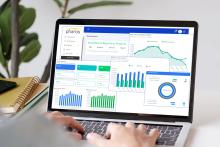
Advanced metering and digital reporting platforms allow businesses to model tariffs and test how operational changes affect demand charges.
This helps organisations align pricing structures with operational reality and support more informed, data-driven decisions.
Regulation and reporting pressure
Regulatory reform is increasing the need for stronger energy data management.
Western Australia’s Electricity Industry Alternative Electricity Services Regulations – formerly known as ENCOP – are introducing tighter governance requirements for alternative electricity arrangements, particularly embedded networks.
“These reforms require improved metering accuracy, stronger auditability, better data accessibility and more robust billing integrity,” Mr Muncaster said.
“At the same time, mandatory climate and sustainability reporting is increasing scrutiny of energy consumption and emissions data.”
From FY26, many medium and large organisations will be required to report Scope 1 and Scope 2 emissions, electricity consumption by asset or portfolio, renewable energy contributions and decarbonisation performance over time.
“That level of disclosure requires auditable data,” he said. “Manual consolidation processes simply won’t meet governance expectations.”
Digital energy systems therefore play a key role in supporting reliable reporting for boards, regulators, investors and tenants.
Managing meter complexity
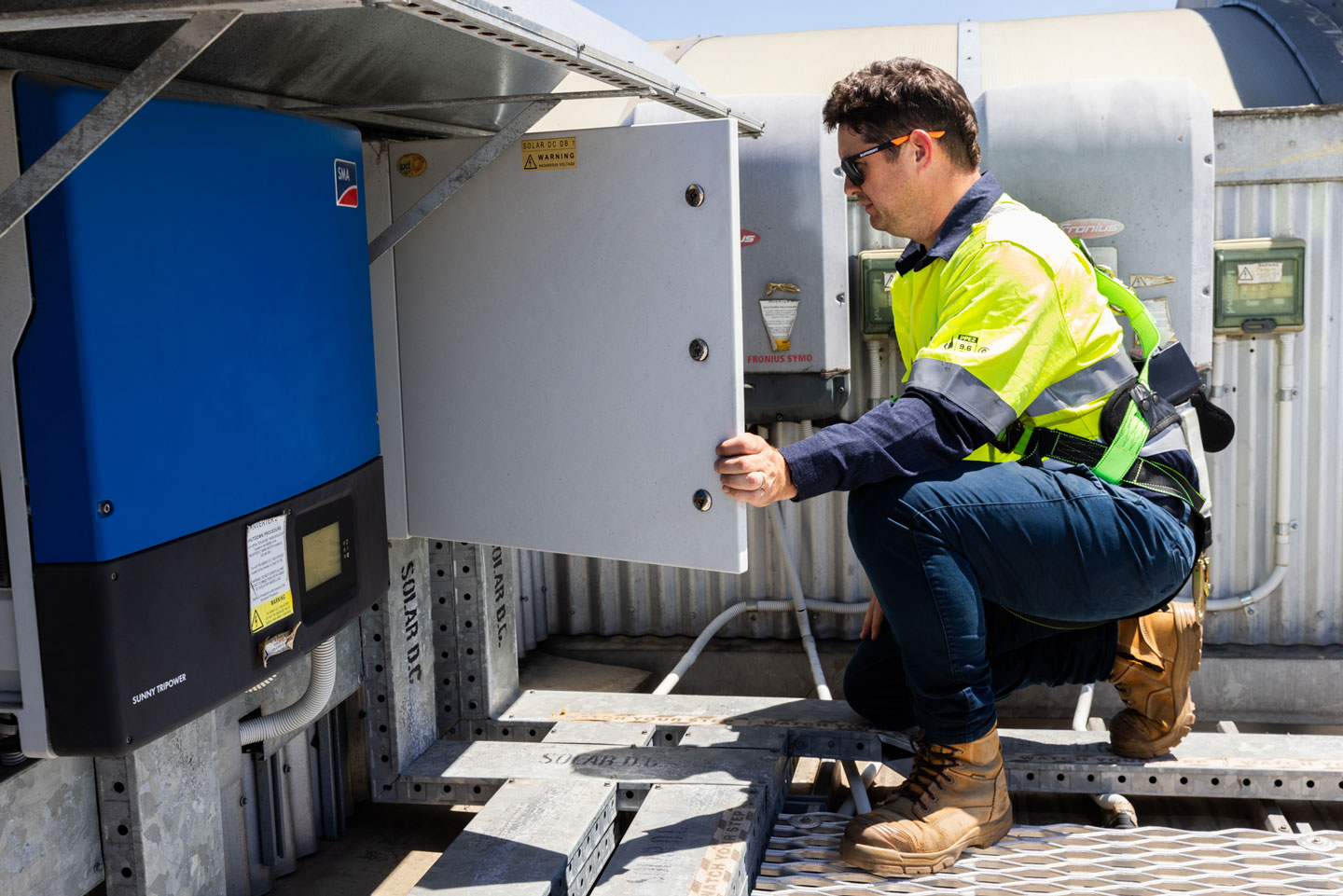
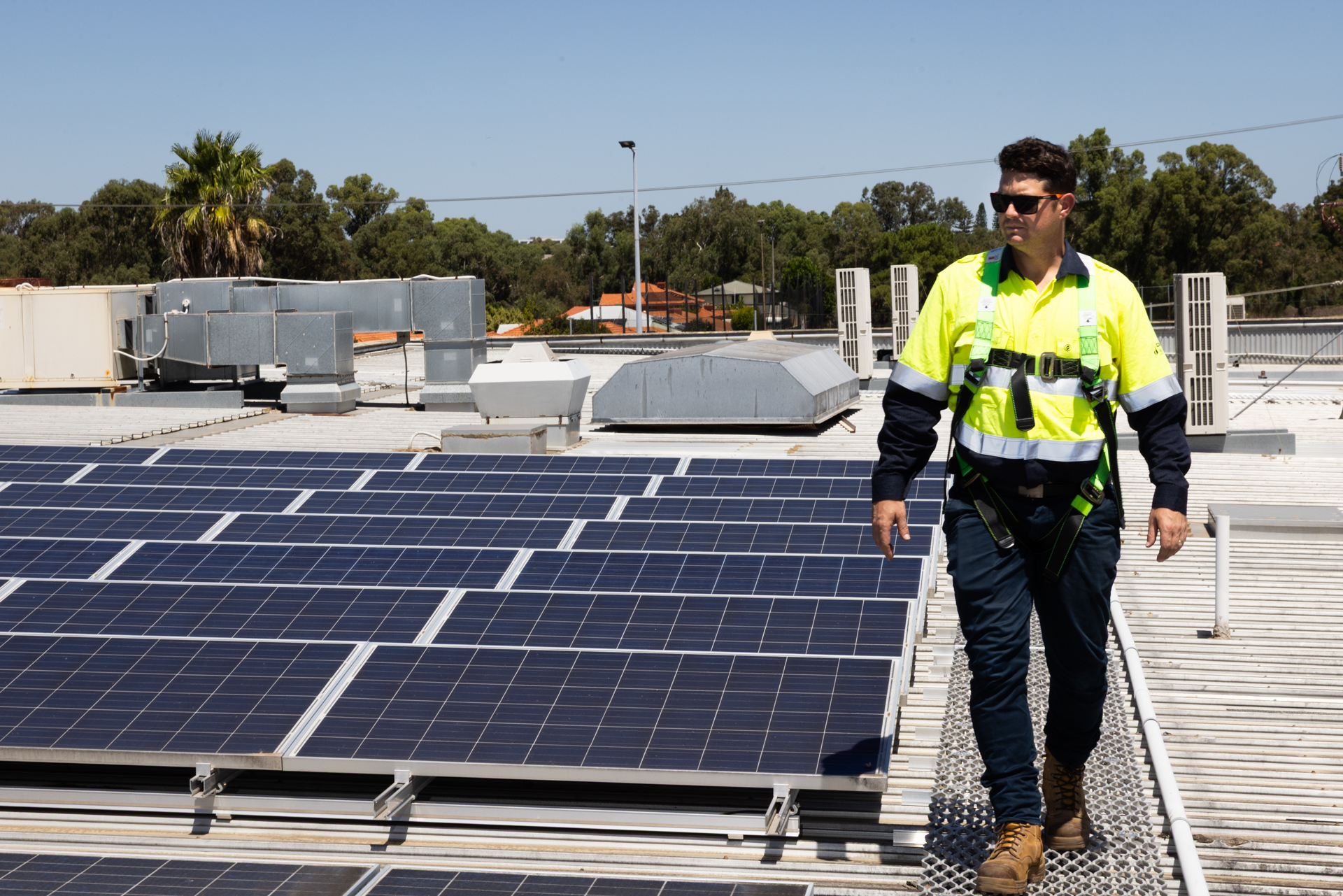
The rapid growth of rooftop solar, battery storage and EV charging infrastructure across the state has added further complexity to energy systems.
“With behind-the-meter generation, you need to measure what’s being generated, what’s being consumed and what’s being exported,” Mr Phetiam said.
Accurate measurement forms the foundation for verifying solar return on investment, allocating generation between tenants or departments and optimising battery performance.
“Complexity can only really be managed through data and measurement,” he said. “If you can’t see it with data, you can’t optimise it.”
Advanced metering benefits
Beyond compliance and tariff optimisation, advanced metering can deliver broader commercial value.
At a portfolio level, organisations can benchmark energy performance across multiple assets, identify inefficient equipment earlier and make more informed investment decisions around solar, battery storage and EV infrastructure.
For retail precincts and mixed-use developments, digital systems can support fair tenant cost allocation, sustainability reporting and stronger green leasing initiatives.
For industrial operators, it enables better peak demand management, reduced energy intensity and improved production planning.
Mr Muncaster said smart meters, AMI networks, automated data platforms and integrated reporting tools were no longer optional.
“Data has to underpin how the energy market works,” he said.


 By EnergyTec