Albany is entering a period of significant economic opportunity, with record trade, rising grain production and private investment putting increasing focus on the Port of Albany and the infrastructure needed to support the Great Southern’s next chapter.
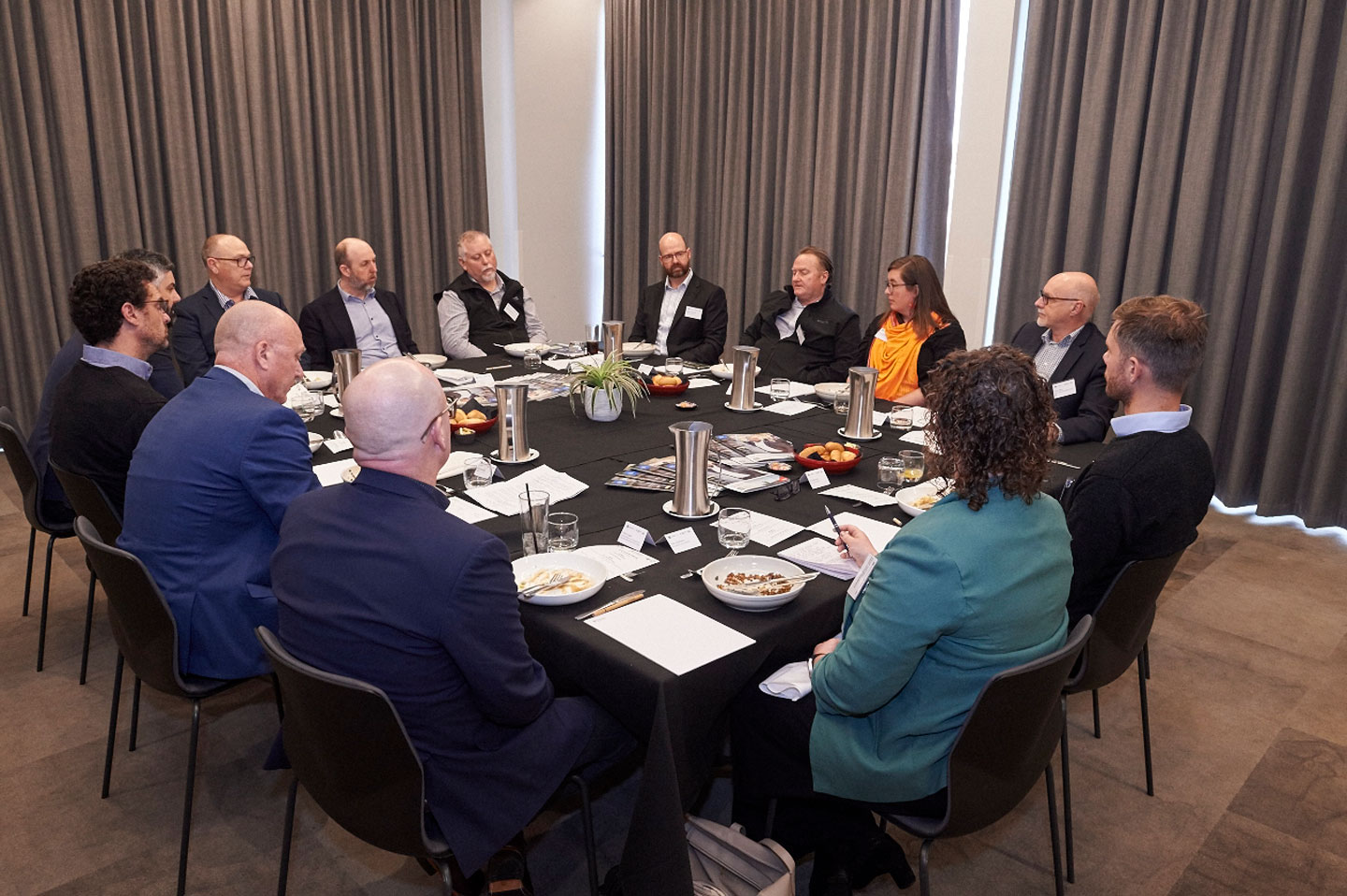
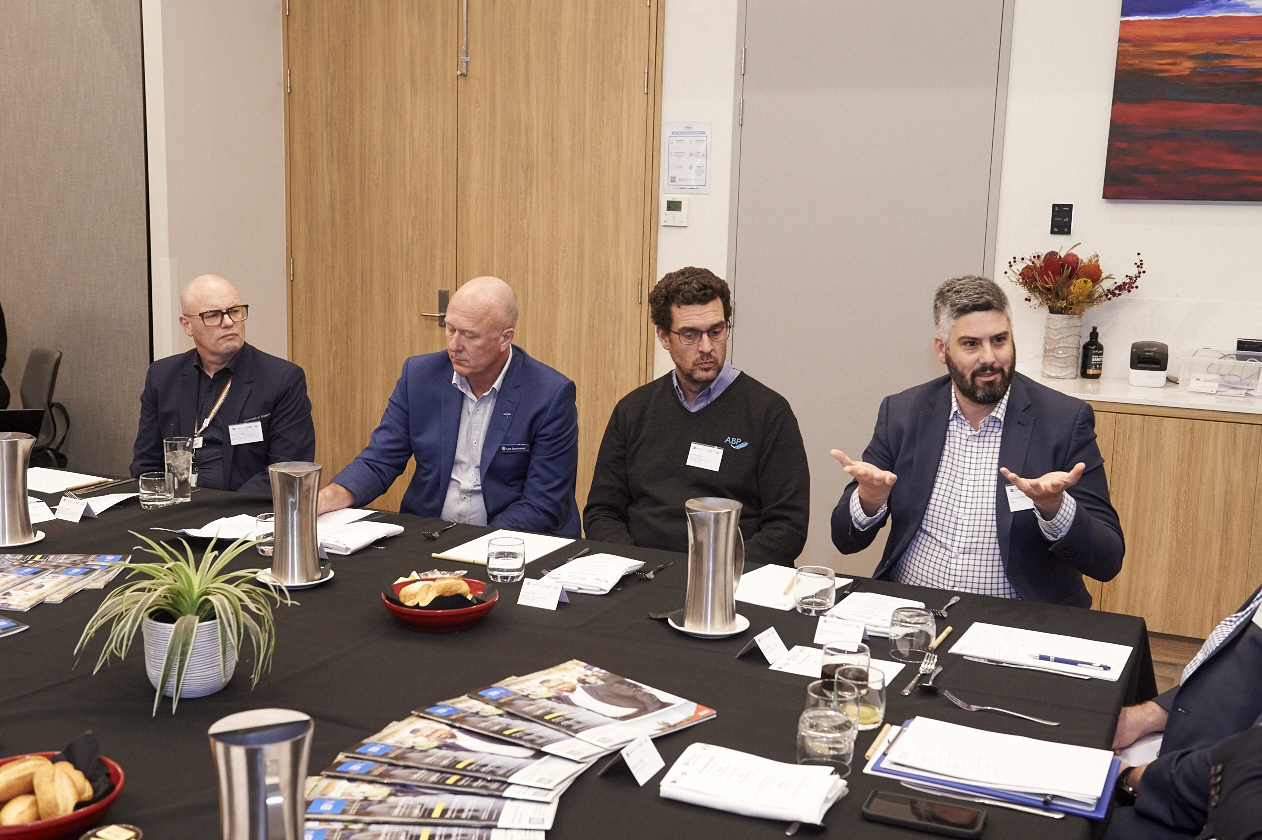
The scale of that opportunity – and the constraints that could stand in its way – dominated the discussion at a recent Business News boardroom lunch in Albany, bringing together senior representatives from ports, agriculture, transport, business, government and regional development.
At the centre of that growth is the Port of Albany, where increasing trade volumes are sharpening the focus on infrastructure needed to support the region for decades to come.
Southern Ports chief executive Keith Wilks said the port had recorded an all-time trade and grain result, continuing a sustained period of growth.
“The past four grain export years have been the highest on record,” Mr Wilks said. “This growth is a key driver of trade volumes through the port.”
That growth is increasing pressure on the port’s existing infrastructure.
“The port has good capacity across its channels and berths,” Mr Wilks said.
“The greater constraint is often the supporting landside infrastructure and how efficiently product can be moved into and through the port.”
Central to Southern Ports’ long-term planning is the proposed Albany General Purpose Berth, which would replace the ageing Berths 1 and 2.
The State Government has invested $11.3 million in technical investigations and approvals to move the project towards investment readiness. “Berths 1 and 2 are approaching 80 years old,” Mr Wilks said.
“They’ve served the state really well, but it’s time to replace them with an asset that can serve the state for the next 50 to 80 years.”
Southern Ports interim chief infrastructure and projects officer Iain Robinson said planning for the port’s next generation of infrastructure was about ensuring Albany could continue to accommodate existing customers while creating capacity for future trade.
“Everything we do is underpinned by the idea of strong regional ports, strong regions,” Mr Robinson said.
“We want to make sure Albany has the right port infrastructure to support the region for the next 50-plus years.”
Grain growth
The pressure to plan ahead is being reinforced by the rapid growth of one of the Port of Albany’s most important trades.
Grain Industry Association of WA chief executive Peter Nash said WA grain production had stepped up substantially in less than a decade.
“Six or seven years ago, our highest ever production for the state was about 18 million tonnes,” Mr Nash said.
“We’re now regularly looking at the mid-20s [million tonnes], with about 27 million tonnes last year.
“Over the next 10 years, the aspiration is to be looking at 30 million tonnes year-on-year.”
With more than 90 per cent of WA grain exported, increasing production has implications for the entire supply chain, including the infrastructure needed to move larger volumes through ports and into international markets.
Mr Nash said food security was also becoming an increasingly important consideration for trading partners, including Korea and Japan, strengthening WA’s position as a reliable supplier.
Commodity Ag general manager Casey Naisbitt said the Great Southern was benefiting from crop diversification and productivity improvements, with potential for regional volumes to increase further.
“I think we’ll potentially breach six million tonnes in a few years,” he said.
“There’s lots of opportunity and we’re investing in that.”
For CBH head of planning Nelson Aylmore, the growth underscored the importance of making the most of opportunities already emerging across the region.
“I think we spend a lot of time talking about new opportunities when there is an opportunity staring us in the face,” Mr Aylmore said.
“We’ve got the capability. We’ve got investment happening. It’s about integrated planning and then putting that planning into action.”
Planning ahead
For Southern Ports, the challenge is to ensure port infrastructure develops alongside the industries it serves.
Mr Robinson said the proposed general-purpose berth was central to that longer-term view.
“The focus is ensuring the next 50-plus years is underpinned by a new general-purpose berth that supports customers while avoiding constraints on other users of the port,” he said.
The broader challenge also extends beyond the berths themselves, with growing volumes placing greater importance on the road, rail and landside infrastructure connecting regional industries with the port.
Mr Aylmore said investment needed to occur across the supply chain.
“Everything has to lift,” he said. “There needs to be private investment, investment from the likes of us, investment in below rail, investment from the ports and making sure we get that government backing.”
Investment momentum
Private investment around the Port of Albany provides another indication of confidence in the region’s trade outlook.
Qube general manager (South West) Daniel Mainstone pointed to the company’s investment in a multi-commodity precinct.
“We’ve made a substantial investment in Albany in a multi-commodity precinct,” Mr Mainstone said.
“The opportunity is to bring different products together and integrate that investment with the port and shipping supply chain.”
Australian Bluegum Plantations also represents a long-standing part of Albany’s export mix.
Port manager Leon Allen said the Albany Chip Terminal had operated for about two decades and remained an important part of the port despite challenging market conditions since COVID.
“The Albany Chip Terminal has been a stable part of the port for around 20 years,” Mr Allen said.
“The market has been tough since COVID, but we see plenty of upside and expect that to turn.”
The diversity of existing trades, rising grain volumes and the prospect of new industries mean the Port of Albany will remain central to the Great Southern’s ability to translate economic opportunity into trade.
For Southern Ports, that means balancing the demands of today with infrastructure decisions intended to serve the region for decades.
For the businesses around the Business News boardroom table, it also reinforced the need for investment across the wider supply chain to keep pace.
“For all of this opportunity to be realised, we need investment, planning and action, but we also need to make sure it is economic,” Mr Aylmore said.
“That’s ultimately what allows money to flow back into regional workforces and communities.”