Albany’s next phase of growth will require more than investment in ports, rail and freight.
As trade expands and new industries emerge across the Great Southern, the capacity of the city itself to accommodate that growth is becoming an increasingly important part of the economic equation.
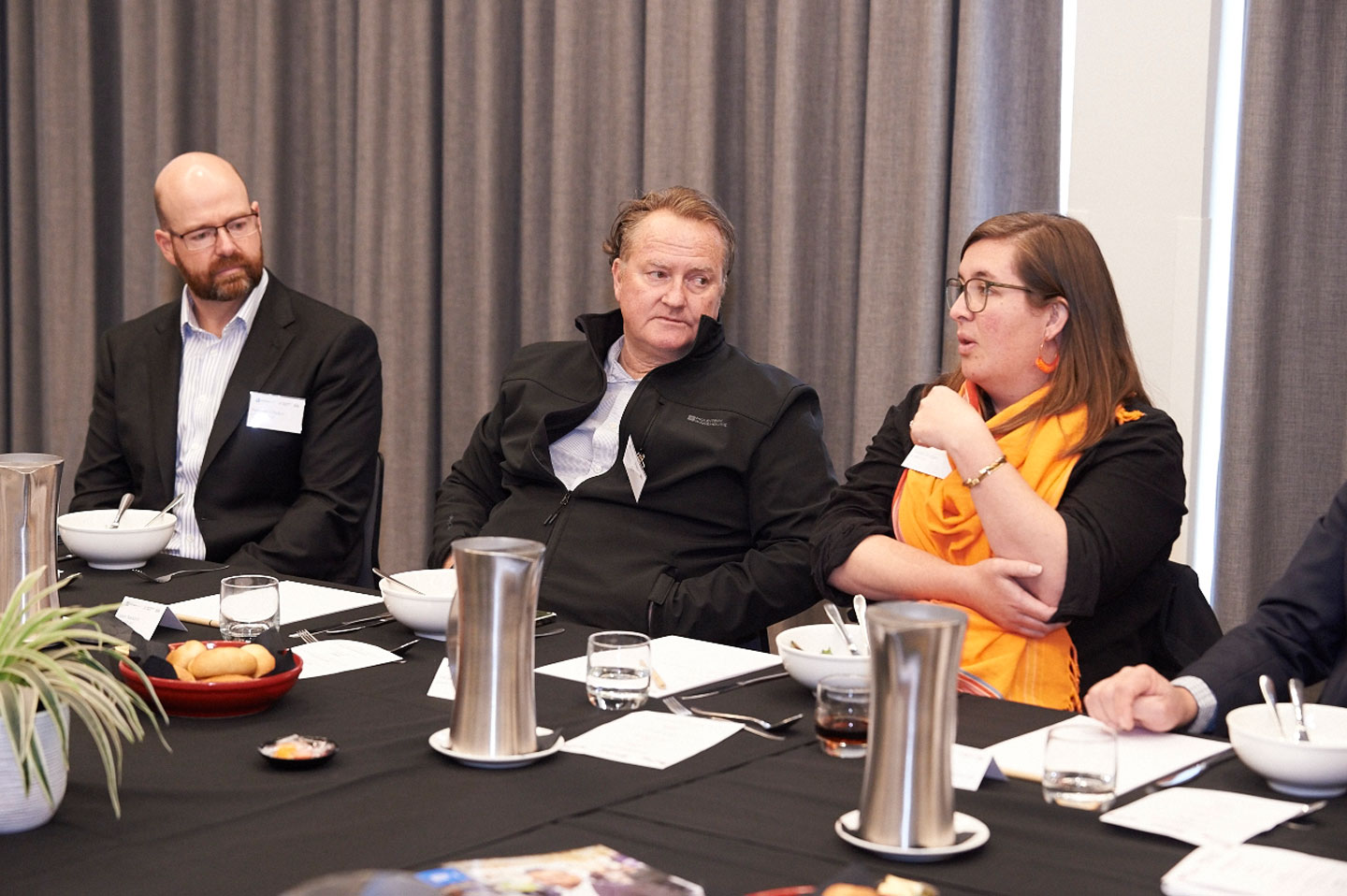
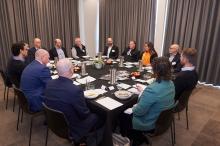
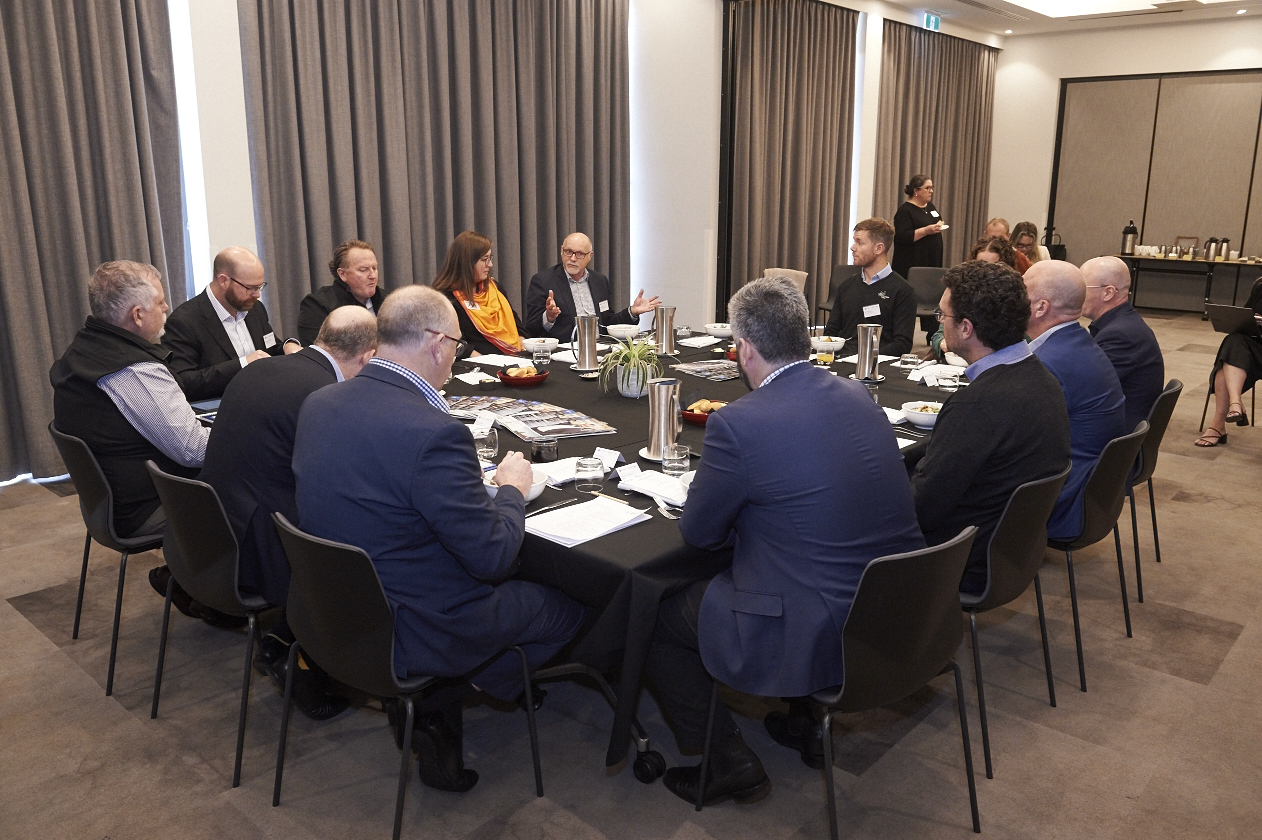
Housing, workforce availability, power, water, sewerage and land-use planning were among the issues raised by business and government leaders at a recent Business News boardroom lunch in Albany.
City of Albany director of corporate and commercial services Matthew Gilfellon said housing was already a significant constraint for businesses trying to attract workers.
“At the moment, trying to find housing for a worker is next to impossible,” Mr Gilfellon said.
The city was undertaking structural planning that could potentially accommodate about 10,000 additional residential lots and more than 20,000 people – significant potential growth for a city with a population of about 40,000.
But identifying land was only part of the challenge.
“Once we’ve zoned for housing, the big constraints are going to be that we don’t have adequate sewerage, we don’t have adequate water, we don’t have adequate power,” Mr Gilfellon said. “We need to get ahead of that.”
The state government has committed investment to addressing regional housing pressures, with the 2026-27 Budget providing $419 million for more than 500 homes for key government workers across regional WA, including 26 homes for frontline workers in Albany.
Workforce challenges
Albany Chamber of Commerce and Industry chief executive Tracey Bridges said businesses were already feeling the effects of some of those constraints.
“A lot of our employers are just surviving,” Ms Bridges said.
“We don’t have enough power, we’re struggling with electricity and we still don’t have great mobile signal.”
Housing affordability and availability were also making it difficult for businesses to recruit and retain workers, while shortages across trades, hospitality and other sectors added to the pressure.
Regional Development Australia Great Southern co-chief executive Kylie Hansen said economic development ultimately came back to people.
“The big takeaway is infrastructure, but fundamentally it comes back to people,” she said.
“We need to make sure we have the infrastructure in place to support people as these economic opportunities develop.”
Creating value locally
Alongside accommodating growth, participants considered how the Great Southern could capture more value from the commodities it already produced.
Commodity Ag general manager Casey Naisbitt said downstream processing presented a significant opportunity, including processing more agricultural commodities locally.
Canola was one example.
“Albany has the resource here already,” Mr Naisbitt said.
“I’ve been pushing the case for canola crushing for a while because from there you can produce meal, oils and potentially biofuel.”
Such investment could diversify the Great Southern economy while creating employment and new markets for growers.
Qube’s Daniel Mainstone said growing trade could also generate activity beyond the businesses directly handling commodities.
“Trade in the region equals people, and people equal spending and services,” he said.
“That is one of the reasons we see significant opportunity in investing here.”
Planning for growth
The challenge will be ensuring new industries, freight corridors and residential development can coexist as Albany grows.
Mr Gilfellon said long-term planning needed to protect important infrastructure from incompatible development, including through appropriate buffers around freight routes and industrial areas.
Southern Ports interim chief infrastructure and projects officer Iain Robinson said planning needed to balance community development with the port’s core role of moving trade efficiently.
“We’re contributing to the broader work of the Great Southern Development Commission and the City of Albany’s on foreshore master planning. Our job is to make sure we can still get that freight through while opening up that foreshore to the community in the best way. We have to do both, it can’t be one or the other,” Mr Robinson said.
The Albany Ring Road provides an example of how long-term infrastructure investment can support both economic growth and community amenity.
Opened in May 2024, the $225 million project created an 11-kilometre free-flowing heavy-haulage route to Princess Royal Drive, improving freight access to the port while diverting heavy vehicles away from central Albany.
For Ms Bridges, the lesson was to plan for the Albany the community wanted in the future rather than attempting to retrofit solutions once growth had occurred.
“We need to be designing now for the Albany we want in 50 years’ time,” she said.
Great Southern Development Commission acting deputy chief executive Lee Sounness said stronger coordination between government and industry would be important.
“Our role is to strengthen that partnership and coordination and understand businesses’ investment priorities and the barriers they are facing,” he said.
That included helping proponents navigate approvals and regulatory processes.
Department of Transport and Major Infrastructure regional manager Kriss Logan said continued advocacy for the Great Southern would also be important.
“For me it’s about continuing the advocacy for the Great Southern – feeding local and regional issues back into government and maintaining that coordination around the region’s future,” she said.
The discussion demonstrated how interconnected Albany’s growth challenges had become.
More trade requires freight infrastructure and workers; workers require housing; housing requires land, water, sewerage and power; and new industries require space and planning frameworks that protect their ability to operate.
The challenge is not simply to respond to growth, but to anticipate it.
“Now is the time to be bold and build for what’s coming,” Ms Bridges said.
“We know how hard it is to retrospectively change things in Albany. We need to build for the future.”