The Australian share market is tipped to move into the 6,000-level following better-than-expected US jobs figures, higher commodity prices and a continued tail-off in Australian coronavirus cases.
Western Australia's internal economy grew 0.9 per cent in the March quarter even as Australia as a whole contracted 0.3 per cent, but those numbers mostly predate the economic impact of the COVID-19 lockdowns.
Australia could experience a sustained recession into the second half of 2020, new research from Bank of America predicts, while the latest data from the Australian Bureau of Statistics offers little insight into the impact of shutdowns on unemployment in Western Australia.
An increase in retail spending, a growing population and improved housing finance figures suggest positive times ahead for Western Australia's economy, according to CommSec chief economist Craig James.
Western Australia has recorded the largest decrease in jobs for July, just a month after it was the only state or territory in Australia to experience an increase in employment.
Western Australia's economy has been performing well below its long-term average but is showing signs of increasing economic momentum with growing exports and $73 billion of projects underway or under consideration, according to two new reports.
Australia's trade surplus increased to $4.5 billion in January, the second largest surplus on record, as the value of gold exports exceeded expectations.
Australia's current account deficit has narrowed 33 per cent to $7.2 billion in the three months to December as higher commodity prices boosted the value of exports.
Perth's subdued inflation rate has continued, coming in at just 1.3 per cent in 2018, trailing only Darwin for the lowest price increase out of Australia's eight capital cities.
A 10 per cent surge in the level of business investment in machinery and equipment has helped Western Australia's state final demand grow 0.4 per cent in the September quarter, as national economic data surprised on the downside.
Newly built homes in Western Australia are the largest in the country, with new houses averaging 235.3 square metres and new apartments increasing in size by 8.7 per cent.
The downward trend in Perth's housing market has continued in September, with the latest CoreLogic data showing a 0.6 per cent decline in house prices for the month.
Job vacancies in the Pilbara and Kimberley regions hit their highest level in four years in May, as demand for engineers, IT professionals and automotive trade workers in Western Australia takes off.
Western Australia has continued its trend of marginal population growth, with the state registering growth of 0.9 per cent for the 12 months to September, as interstate migration remains in negative territory.
The end of the mining construction boom continues to cause economic pain for Western Australia but strong employment growth paints a very positive future, according to Treasurer Ben Wyatt.
Western Australia's unemployment rate has fallen by a surprising 0.9 per cent in the month of December, while job numbers were up for a record-equalling 15th consecutive month nationwide, with economists giving positive assessments of the labour market.
Western Australian merchandise exports were up 22 per cent in the year to November compared with the previous corresponding period, despite the month being slightly softer, according to the Australian Bureau of Statistics.
Western Australia's economy shrunk by 0.3 per cent in the June quarter, excluding international trade, according to the latest data from the Australian Bureau of Statistics, while GDP grew 0.8 per cent nationally.
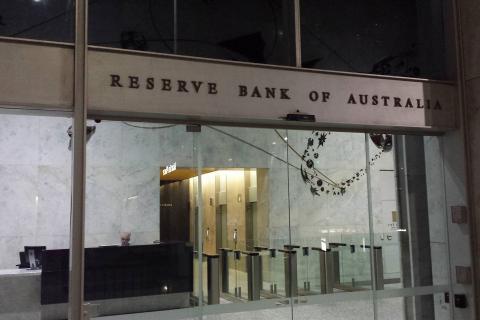
Australia's inflation rate has cooled in the June quarter, dragging the annual headline rate below the central bank's target in the 2 to 3 per cent range.
There are signs of recovery in the local economy, with employment and sales activity numbers showing improved performance in June and a major report predicting further recovery next year.
An unexpected surge in full-time employment has driven Australia's jobless rate to a four-year low, meaning a Reserve Bank interest rate cut is now off the table, economists say.
The unemployment rate dropped 0.4 percentage points in Western Australia in February, to 6 per cent in seasonally adjusted terms, as the state jumped from last place on that metric to be better than Victoria, South Australia and Queensland.
A recent report by professional services firm Deloitte Access Economics suggests retail spending could be slowly picking up in Western Australia, with recent official data finding sales grew 0.3 per cent in January after seasonal adjustment.
GDP has bounced back from a poor showing in the September quarter with December quarter seasonally adjusted growth of 1.1 per cent, while Western Australia snapped a five quarter streak of shrinking state demand to grow 0.4 per cent.
Western Australia's unemployment rate fell 0.1 percentage points in January to be 6.5 per cent in seasonally adjusted terms, although the state now has the worst unemployment rate in the nation.
A lift in Western Australia's merchandise exports to China of nearly $700 million from October to November helped Australia record its first trade surplus in three years, but more could be on the way this year.
Western Australian state final demand has fallen to its lowest level since the June quarter of 2011, measured in seasonally adjusted terms, down 4.6 per cent in the 2016 financial year.
The value of investor housing loan approvals has fallen to a near two-year low, adding weight to the view the Reserve Bank of Australia could cut interest rates again without fear of restarting a price boom.
Western Australian state final demand has contracted for the 10th consecutive quarter, while national GDP figures grew at their fastest rate for nearly four years
Perth has had its deepest quarter of deflation since the 1991 ‘recession we had to have', with prices falling 0.6 per cent in the three months to March, driven by cooling house prices and cheaper fuel.