WA's deputy premier conceded the state has in the past struggled to build a strong relationship with India as he prepares to lead a major trade delegation to the country later this month.
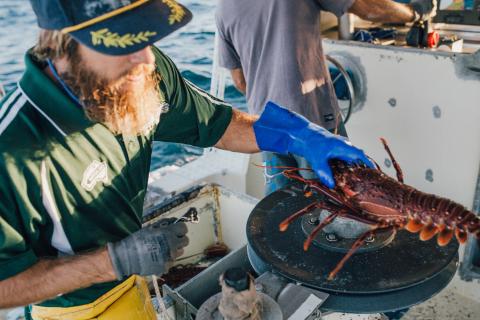
More back of boat western rock lobster will be available this December after the state government agreed to double the amount commercial fishers can sell from their landings.
Fisheries Minister Peter Tinley has unveiled a range of measures to support Western Australia's rock lobster industry as a result of the worsening COVID-19 outbreak, including an extended fishing season and measures to increase local sales opportunities.
UPDATED: A three-year trial to boost rock lobster availability in Western Australia is expected to increase visitor expenditure and grow jobs in marine tourism, though the lobster industry has expressed concern over the changes.
The fishing industry says it is disappointed by the state government's backdown on a local lobster supply deal, with a planned international lobster festival to be one of the casualties.
The state government and the Western Rock Lobster Council have reached a comprise on the future of the industry, with the annual catch to increase by just 315 tonnes. However, details of how this will be delivered to the local market have not yet been worked out.
Lobsters were sold for as little as $30 per kilogram under an initiative to encourage domestic supply, according to an unpublished government report which found the Local Lobster Program at least partially met two major objectives but also raised numerous concerns.
Fisheries Minister Dave Kelly has signalled he may well walk back plans to take control of about 17 per cent of an enlarged local lobster catch, saying his priorities would be an International Lobster Festival in Perth and a domestic quota.
Crayfishermen will consider paying more in royalties to the state government as an alternative to Fisheries Minister Dave Kelly's planned takeover of new licences, while concerns continue about the fragility of price premiums in the Chinese export market.
Opponents continue to blast government changes to lobster licensing arrangements as it emerges that, despite the state potentially pocketing nearly $70 million annually from the moves, a cost benefit analysis of the major policy shift unveiled in December was not undertaken.