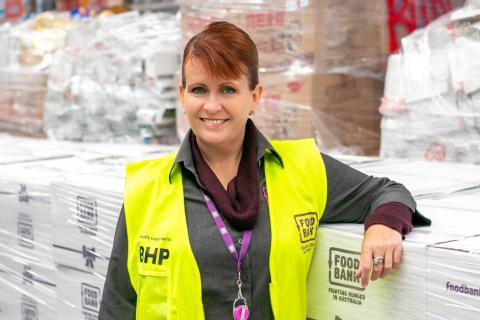
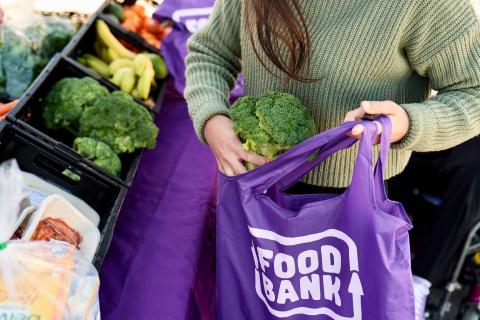
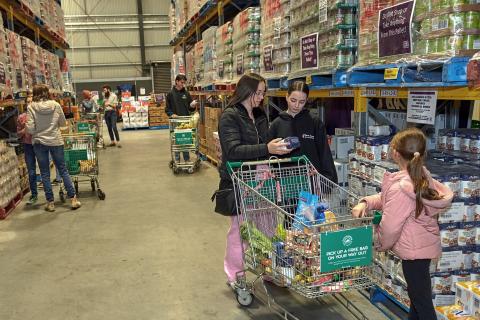
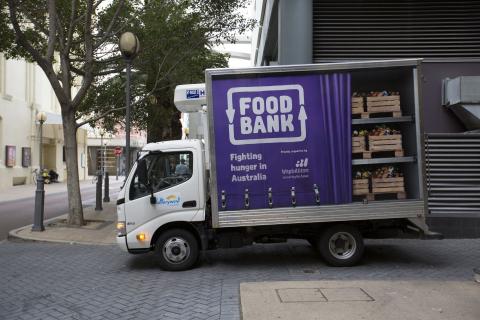
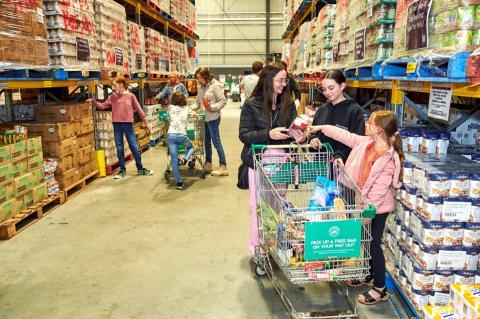
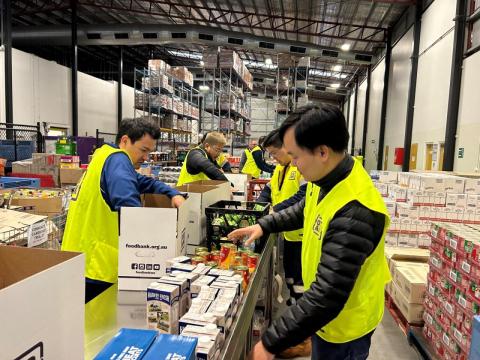
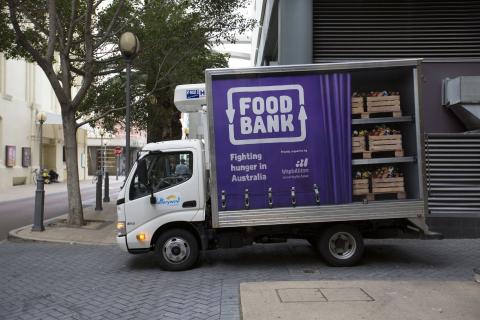
Easter is traditionally associated with abundance, but for Foodbank WA it has become a clear indicator of rising economic strain across Western Australia. The organisation's busiest day of the year, Easter Thursday.
The cost-of-living crisis in Western Australia is increasingly being felt at a household level, with women particularly mothers, carers and single parents bearing the greatest burden.
Western Australia's booming property market signals economic strength on paper, with rising values, investor confidence and steady migration. Yet behind the headlines, many households are facing increasing financial strain.
The cost-of-living crisis is pushing many WA families into hardship, with Foodbank WA supporting over 1,000 households a day. As Christmas approaches, community generosity is helping deliver food, dignity and hope to those in need.
Behind closed doors at last week's Hearts & Minds CEO Lunch, hosted by Business News, Western Australia's most senior not-for-profit leaders delivered a message that can no longer be ignored by government, business or investors.
One in three Australian households, or 3.5 million homes, experienced food insecurity in the past 12 months, according to the recently released Foodbank Hunger Report 2025.
Food security is a fundamental human right, yet one in 12 people across the world face hunger and in 2024, 120,000 Western Australian children were living in severely food insecure households.
World Mental Health Day, held on October 10 each year, presents an opportunity to review gaps in mental health supports and explore initiatives working to build a more resilient community.
Renewed awareness of current food insecurity and poverty levels has rippled across the country, with businesses urged to contribute to long-lasting solutions in the wake of National Food Bank Day.
Inclusive and resilient communities are built on the foundations of charity work and driven by a shared objective to solve challenges such as food insecurity and childhood illness.
New research has found that rough sleeping in Western Australia has increased 114 per cent since 2016, with 2,315 people currently rough sleeping across the state.
When grounded in empathy and strategy, philanthropy is not only a monetary transaction, but a transformative force that can empower entire communities.
Western Australian not for profits are enjoying high volunteer levels as post-pandemic residual effects diminish and more young people step up to the challenge.
Families form the backbone of communities across the world and addressing the economic and social challenges they face is a key aspect of International Day of Families.
Childhood challenges rarely exist in isolation and facing physical illness, mental illness or injury brings about a plethora of disadvantages, including disruption of education.
During Youth Week WA, we shed light on organisations that are helping to tell young people's stories, alleviate food insecurity, and address psychosocial implications of physical injury.
Every April, a week-long celebration recognises the strength and resilience of young Western Australians and the initiatives helping to support the youth to thrive.
International Women's Day is an opportunity to celebrate women in leadership who are driving change and shaping communities, and those women and girls who are supported through for-purpose initiatives.
Women, especially single mothers, older women and caregivers, are at higher risk of poverty due to systemic barriers like unpaid care work, wage inequality, and lack of financial support.
Perth is at an inflection point to redefine itself as the city eyes a population increase to 3.5 million by 2050, according to the latest Committee for Perth report.
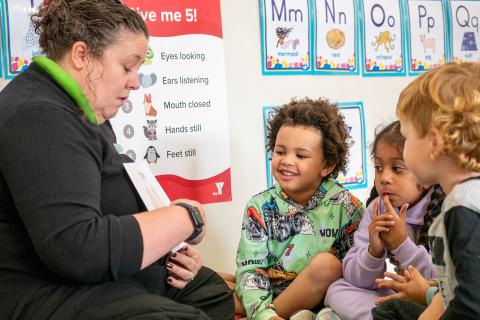
Helping children get back to school after an illness or simply ensuring every child has access to breakfast each morning are some of the ways WA's not-for-profits are making a difference.
Several years of unprecedented rising living costs have seen many families struggling to balance their budgets to support their families whether that's ensuring they have a roof over their heads, fuel in the car, or food on the table.
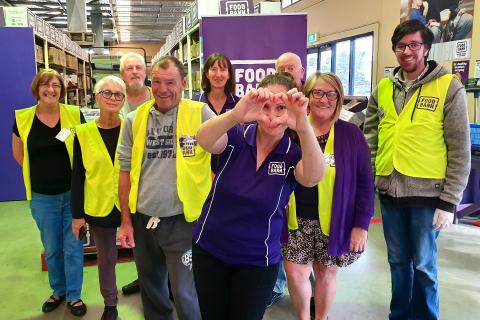
The selfless contribution from volunteers is vital for maintaining the wellbeing of customers and clients, supporting large community events, and helping foster the spirit of community connection.
This year brought on unprecedented financial pressure for families experiencing disadvantage or caring for a child with chronic illness or disability. There are many ways, big and small, you can help families in need this Christmas.
Good health influences how children feel and go about their daily lives, as it can affect participation in family life, schooling, social and sporting activities, according to the Australia Institu
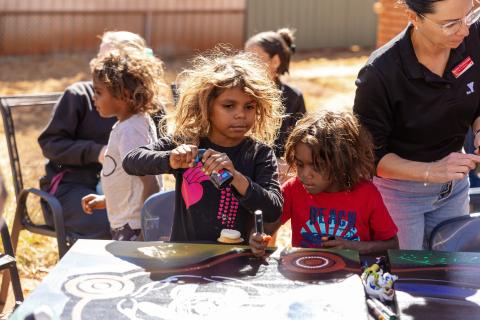
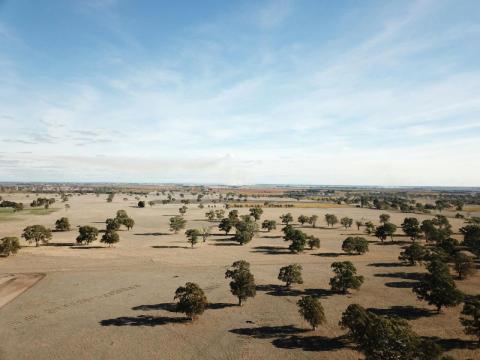
The remote regions of the Wheatbelt represent a unique and challenging landscape. Foodbank WA highlights how Western Australians living in regional parts of WA are struggling the most to get food on the table, as regional branches are experiencing an increased demand.
Foodbank WA's mission is to “feed, educate and advocate”, providing food relief to those who need it, and is involved in initiatives to decrease its environment footprint.
Low-income households are enduring the highest rates of food insecurity since the onset of the cost-of-living crisis, according to the latest Foodbank Hunger Report 2024.
In WA, close to 200,000 households experienced severe food insecurity in the last 12 months. Nationally, there are two million households experiencing extreme hardship.
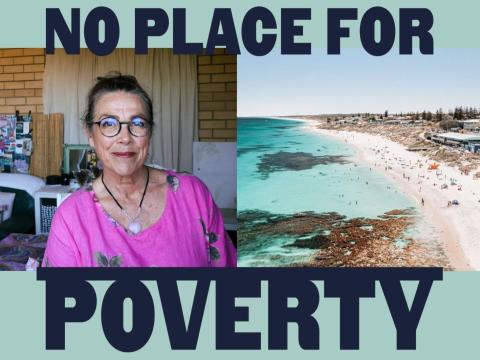
Despite being one of Australia's richest states, hardship is becoming more commonplace in Western Australia with rising cost of living impacting people's ability to meet basic needs.