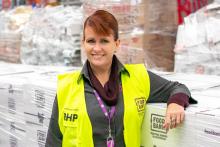
The cost-of-living crisis is often discussed through economic forecasts, housing figures and inflation charts. But on the frontline of food relief in Western Australia, the reality looks very different.
According to Foodbank WA, the crisis is increasingly being carried by women.
The organisation says mothers, carers and single parents are now among the fastest-growing groups seeking food relief, as rising housing, energy and grocery costs push more households into financial distress.
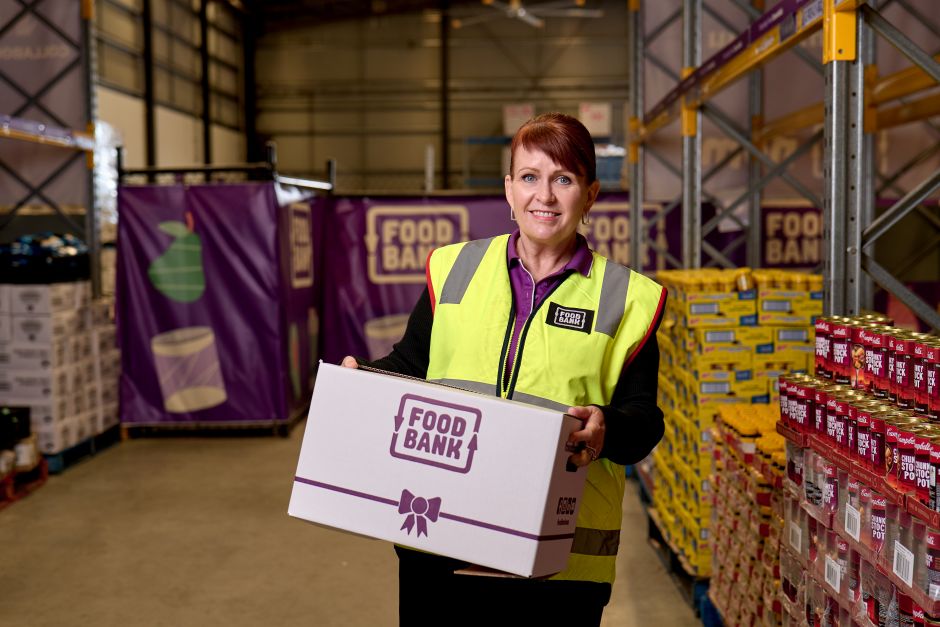
“Across Western Australia we are seeing the quiet strength of women holding their families together through enormous hardship. Many of them are working, studying, raising children or caring for family members, often all at once. But the rising cost of living means they simply cannot keep up.” Kate O'Hara, Foodbank WA CEO.
Food insecurity has become a defining issue across the state. Current estimates suggest one in three households in Western Australia is experiencing some level of food insecurity, with demand for food relief services steadily increasing over recent years.
Foodbank WA says the burden frequently falls on women to absorb the pressure.
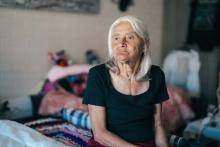
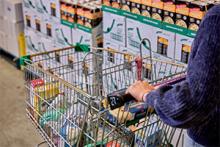
“We meet mothers who routinely skip meals so their children can eat,” Kate O’Hara, CEO of Foodbank WA said. “Women who stretch groceries across days, knowing it won’t be enough, and who make constant decisions between paying rent, keeping the power on, filling the car with petrol or buying food.”
For many households, the situation becomes critical when unexpected costs arise.
A dental appointment, car repair or vet bill can be enough to tip a fragile household budget into crisis.
“In those moments, it’s almost always the mother who goes without again,” says O'Hara.
Anglicare Australia’s 2025 Cost of Living Index report stated that ‘A single minimum-wage worker is left with just $33 each week after covering basic living expenses like rent, food, and transport. For a single parent with one child earning minimum wage, this figure is just $1.’
Ms O’Hara said single-parent households, most of which are led by women, are among the highest-risk groups for severe food insecurity. With only one income supporting an entire family, increases in rent, power, fuel and groceries can quickly become overwhelming.
Food insecurity has been linked to poorer health outcomes, increased stress and reduced educational outcomes for children. For charities and social service organisations, supporting mothers through periods of hardship is seen as critical to protecting the wellbeing of entire families.
“When we support a mother, we’re supporting the health and future of her children,” Kate O'Hara, Foodbank WA CEO.
Despite the growing need, many women remain reluctant to seek help.
“There’s often embarrassment or a sense that they should be able to manage on their own,” Ms O’Hara said. “But the reality is that many families are doing everything right and still struggling because the economic pressure has become so intense.”
At Foodbank WA, staff say they see remarkable resilience alongside the hardship.
“Every woman who comes to us is doing everything she can to keep her family safe,” said Ms O’Hara. “There is a lot of courage behind those stories. So once they have made a first step to reach out for food relief, we know it’s an ideal opportunity to profile the support available throughout the rest of the care sector. This is why so many services are starting to work more closely together. We actively profile services from other agencies as food insecurity rarely lives alone.”
As cost-of-living pressures continue to dominate national debate, Foodbank WA says the experiences of women on the frontline of household budgets offer a sobering reminder of the human impact behind the statistics.
In a state as prosperous as Western Australia, no family should have to worry about putting food on the table, but for many women today, that is the reality they are navigating every single day.