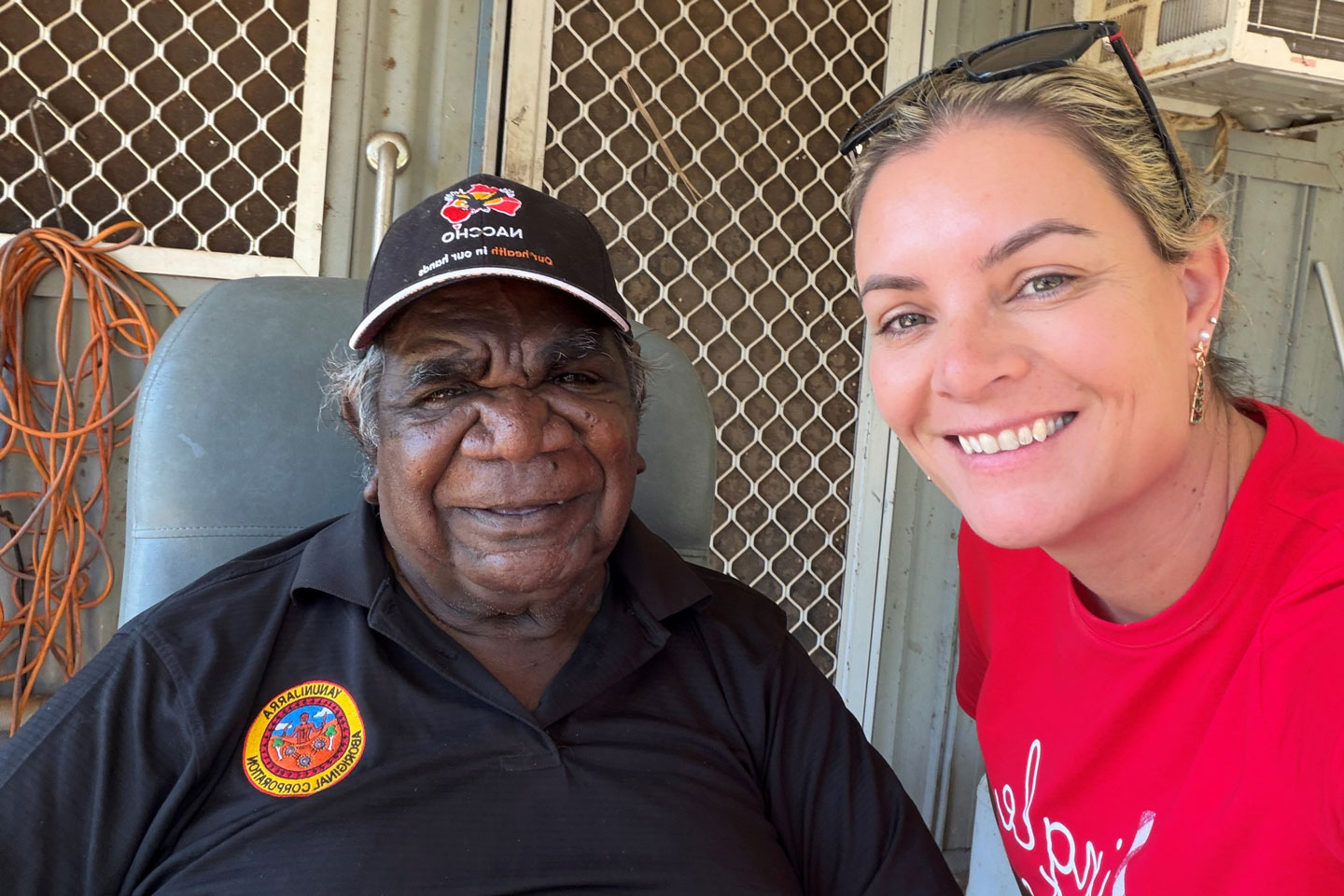
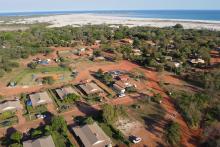
Djarindjin Aboriginal Corporation is quietly reshaping the way remote communities tackle financial resilience and adult education, developing home-grown solutions where mainstream models have long fallen short. One of these shifts is the Goolboo Jawal Financial Hub, Australia’s only self‑funded Financial Counselling model operating within an Aboriginal Community Controlled Organisation.
Launched in November 2024, the Hub was built on a simple but ambitious premise: that financial stability in remote communities is best achieved through local leadership, cultural understanding, and long-term continuity, conditions rarely supported through traditional government funding cycles. While financial counselling services across Australia typically rely on external funding and rigid Key Performance Indicators, Djarindjin chose another path.
That independence has also enabled the organisation to advocate beyond service delivery. Djarindjin Aboriginal Corporation has been pushing the big four banks nationally to collaborate on establishing a community-led banking hub model, designed to improve access to essential services across remote regions and reduce the burden of distance on residents. The proposal has already attracted national media attention, highlighting both the scale of the issue and the practicality of a locally designed solution.
Alongside this sits the Choosing Your Way LLND program, now in its sixth year. Designed to build Language, Literacy, Numeracy and Digital capability through self‑paced learning, the program continues to attract adults seeking foundational education. For Djarindjin leaders, this steady participation is both a success story and a confronting reminder of systemic failure.
“The fact that adults need to enter programs like this is an indictment on the state of remote education in Australia,” the Corporation notes. When the LLND program began under a time‑limited federal grant, it quickly became clear that conventional KPIs, designed for urban delivery, were unworkable in remote Aboriginal contexts. Rather than abandon the initiative when funding ended, Djarindjin integrated it into its broader strategic vision, recognising that real community development demands consistency, flexibility and cultural alignment.
Both programs now form critical pillars of the Corporation’s Binimal Aambooriny Strategy, a holistic framework centred on individual empowerment and collective wellbeing. The strategy reflects a worldview where every person in community is interconnected: one individual’s progress contributes to the strength of the whole.
Together, these initiatives demonstrate what becomes possible when communities take charge and design their own solutions. In an environment where government-led approaches often falter, Djarindjin Aboriginal Corporation is proving that remote innovation, rooted in culture, autonomy and practical experience, can deliver real, lasting change for communities everywhere.


 By Djarindjin Aboriginal Corporation