At a time when Australia is grappling with declining birth rates, rising healthcare costs and increasing pressure on families, the work of improving maternal and infant health has never been more consequential. Yet while breakthroughs in medicine often capture headlines, the leaders who create the conditions for those breakthroughs to occur frequently remain out of the public eye.
This week, one of those leaders received national recognition.
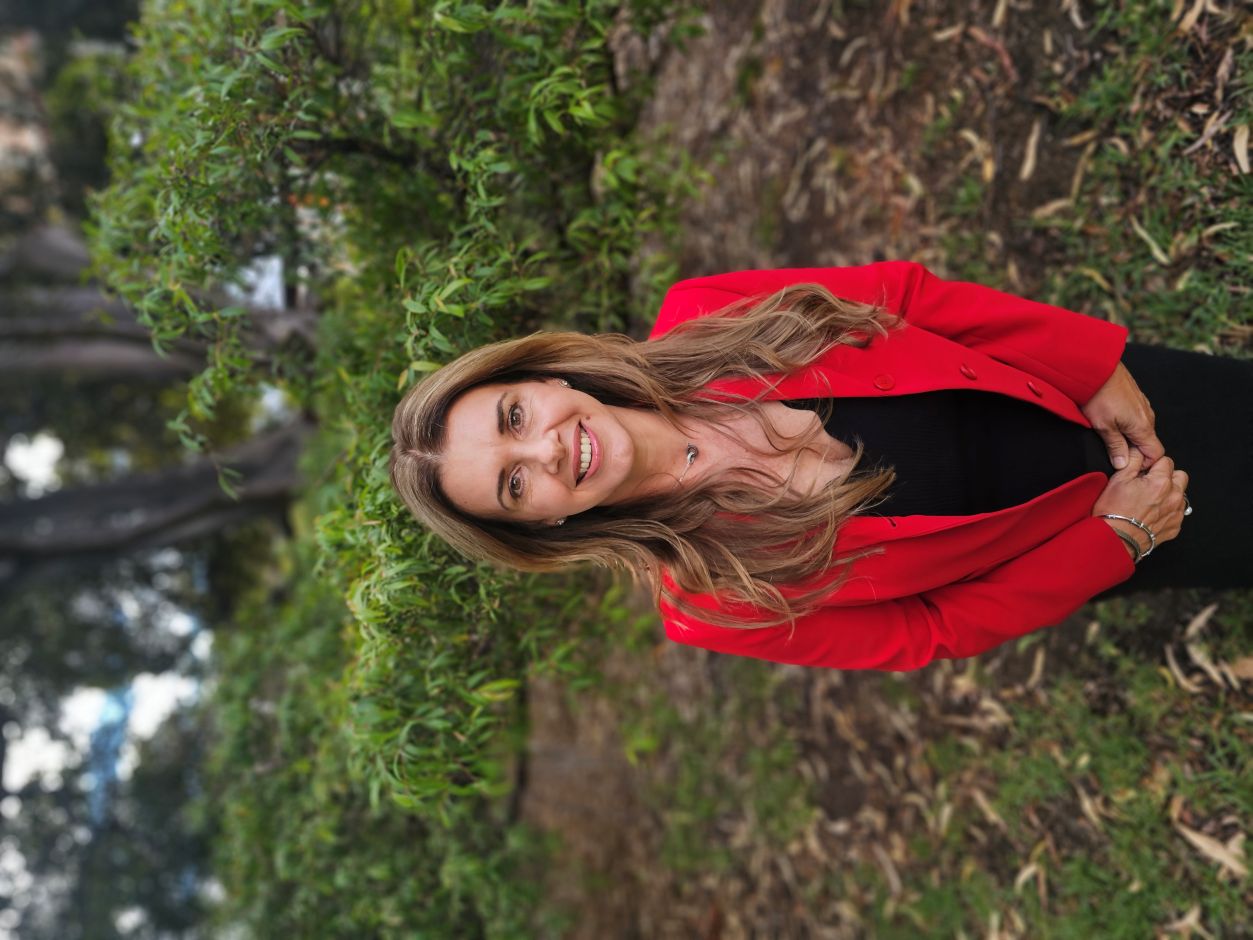
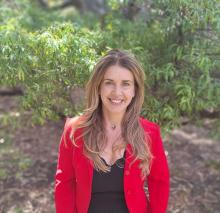
Deb Portughes, Chief Executive Officer of the Women and Infants Research Foundation (WIRF), has been awarded a Medal of the Order of Australia (OAM) in the 2026 King's Birthday Honours, recognising her service to wildlife conservation and her contribution to improving the health and wellbeing of women, babies and families. While the honour reflects more than two decades of leadership across the conservation, research and community sectors, it also arrives at a moment when the issues she has dedicated her career to are increasingly central to Australia's future.
The recognition comes during a milestone year for WIRF, which is celebrating its 50th anniversary after five decades of advancing research, education and advocacy aimed at improving outcomes for mothers and newborns. Over that time, the organisation has helped drive significant advances in maternal and infant health, supporting research that has influenced clinical practice, reduced rates of preterm birth and improved the lives of countless families, both in Australia and abroad.
For the past decade, Portughes has been at the centre of that evolution, helping transform WIRF from a respected Western Australian institution into an organisation with a national and increasingly international reputation. Under her leadership, the foundation has strengthened its research capabilities, expanded its partnerships and demonstrated the profound social and economic value of investing in health and medical research at a time when governments and healthcare systems are under growing pressure to do more with less.
The significance of that work extends far beyond hospitals and laboratories. Every reduction in preterm birth rates represents not only improved outcomes for babies, but also less emotional and financial strain on families, reduced pressure on healthcare systems and greater opportunities for children to thrive throughout their lives. It is the kind of impact that can be difficult to quantify in a single statistic, yet its effects ripple across communities for generations.
Long before she entered the world of maternal and infant health, Portughes had already established a reputation for helping organisations achieve ambitious goals. As part of the leadership team at the Australian Wildlife Conservancy, she played a key role in the transformation of what was once a relatively small Western Australian conservation organisation into one of the nation's most respected environmental success stories. Through strategic growth, philanthropy and community engagement, the organisation attracted support from across Australia and around the world, helping to protect some of the country's most threatened wildlife and ecosystems.
Although wildlife conservation and maternal health may appear to occupy very different worlds, the underlying philosophy that has guided Portughes throughout her career has remained remarkably consistent. Whether protecting endangered species or improving outcomes for mothers and babies, her focus has always been on creating long-term impact through collaboration, evidence and community engagement. It is an approach that rejects the notion of quick fixes and instead embraces the often slower, more challenging work of building institutions capable of delivering meaningful change over decades rather than years.
Those who have worked alongside Portughes frequently point to her ability to unite people around a common purpose. Researchers, clinicians, philanthropists, volunteers, policymakers and community leaders have all played a role in the success of the organisations she has led, and colleagues say one of her greatest strengths has been creating environments in which those diverse groups can work together toward a shared goal.
WIRF Board Chair Scott Steinkrug believes the national honour reflects precisely that quality.
"She has an extraordinary ability to bring people together around a shared purpose and inspire others to contribute to meaningful change," he said. "Through her work at WIRF and across the broader community, Deb has helped create opportunities that have improved lives and strengthened communities."
In many respects, the award recognises a style of leadership that has become increasingly valuable in an era defined by complexity. The challenges facing modern societies whether in healthcare, environmental sustainability or social wellbeing rarely have simple solutions. Progress depends not only on expertise and innovation, but also on the ability to build trust, foster collaboration and bring together people from different backgrounds in pursuit of a common objective.
That belief has shaped Portughes' career and continues to inform her leadership of WIRF. She has often argued that research should not exist solely within academic journals or laboratory walls, but should ultimately deliver tangible benefits to the people and communities it seeks to serve. It is a philosophy that has helped position the foundation as an organisation focused not simply on generating knowledge, but on translating that knowledge into real-world outcomes.
Perhaps that is why, when reflecting on the award, Portughes was quick to redirect attention away from herself and towards the many people she has worked alongside throughout her career.
"I am deeply honoured to receive this recognition, but I do not see it as recognition of one individual," she said. "Any achievements throughout my career have only been possible because of the remarkable colleagues, researchers, clinicians, volunteers, supporters, mentors and community members I have had the privilege to work alongside."
It is a sentiment that reveals much about the person behind the honour. While the Medal of the Order of Australia recognises an individual contribution, the legacy of Deb Portughes is perhaps best understood through the communities she has helped build, the organisations she has strengthened and the lives that have been improved as a result.
As WIRF marks its 50th anniversary and looks toward the next chapter of maternal and infant health research, the recognition of its Chief Executive serves as a reminder that lasting change is rarely the work of one person alone. Rather, it is achieved by those who have the vision to bring others together, the determination to pursue long-term outcomes and the belief that even the most complex challenges can be addressed when people unite around a common purpose.