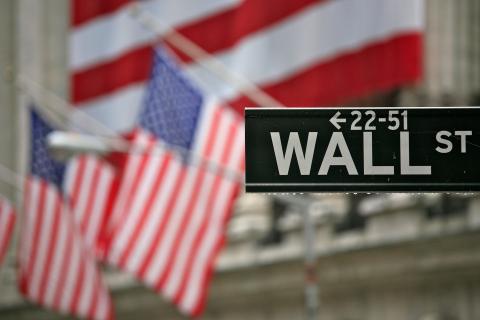
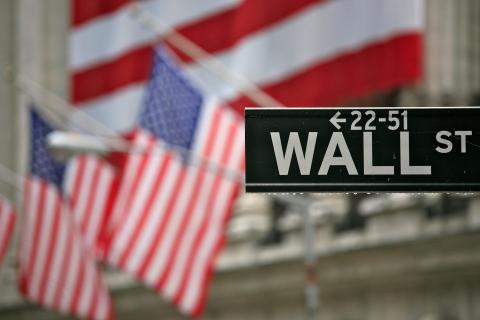
Wall Street has fallen as healthcare stocks slid and investors worried about rising costs for companies as oil prices rose, although the major indexes eked out a gain in April to snap a two-month losing streak.
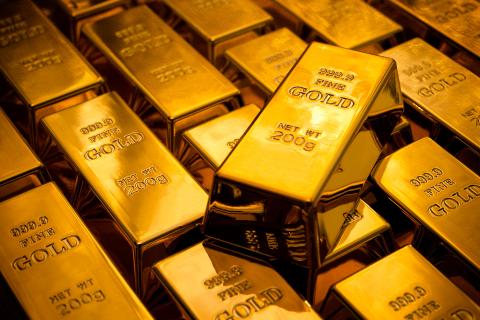
Gold prices fell to the lowest in nearly six weeks on Monday as the US dollar strengthened and easing tensions on the Korean peninsula helped boost appetite for higher risk assets such as stocks.
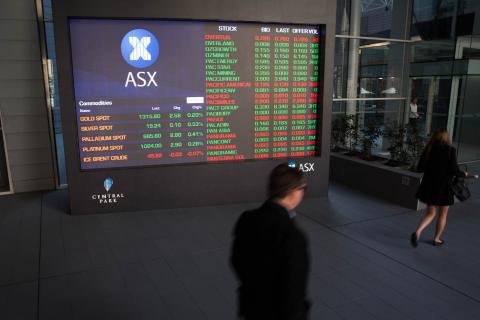
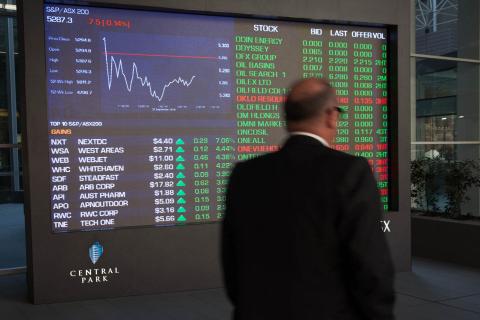
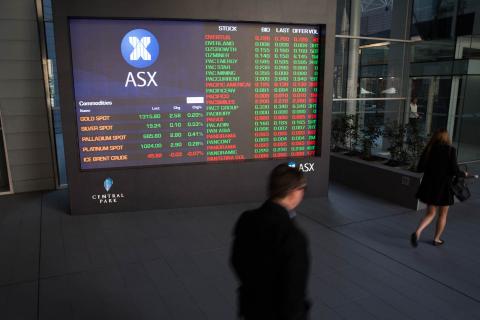
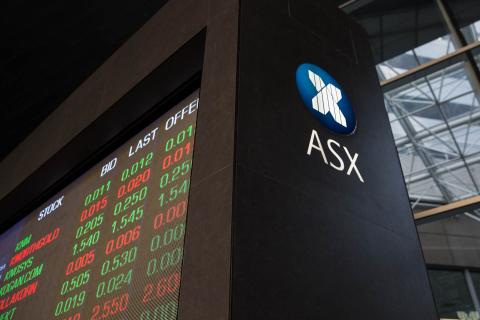
The Australian share market has closed at its highest level in six weeks, wrapping up April with a run of gains that has added 230 points to the benchmark index since March.
An independent events company responsible for organising one of Fringe World Festival's major venues has allegedly failed to pay about $200,000 owed to performers as it prepares for voluntary administration.
Oil prices edged lower on Friday, although Brent still gained for a third straight week amid supply concerns should the United States reimpose sanctions on Iran.
Gold edged higher on Friday after the US dollar and US Treasury yields backed off highs, but the prospect of a Korean denuclearisation deal eroded bullion's safe-haven appeal.
The Australian share market has closed comfortably higher, following a lift in global sentiment as major financial stocks recovered from early losses to join all other sectors in positive territory.
The Australian dollar is lower after the US dollar rallied following the European Central Bank meeting and the release of better than expected US employment data.
Oil prices gained on Thursday as the risk of renewed US sanctions on Iran, plunging Venezuelan output, and robust global demand shook off the effects of a strong US dollar.
The Australian share market has been dragged lower by the big four banks after UBS downgraded Westpac in a report that questioned the quality of the lender's mortgage book.
Australian shares have opened flat with investors remaining cautious following the news US Treasury Secretary Steve Mnuchin will visit China next week amid trade tensions between the world's two largest economies.
The Australian dollar has fallen to a new four month low as the US dollar rallies against most major currencies after US Treasury bonds broke the three per cent mark.
Oil prices rose on Wednesday despite data showing rising US inventories, holding within sight of three-year highs reached the previous day on geopolitical tensions including the prospect of fresh sanctions on Iran.
Gold prices slumped to a five-week low on Wednesday as the US dollar jumped and US Treasury yields continued to rise on signs of US economic strength and an easing in the US-China trade conflict.
The Australian share market gained ground as the Australian dollar hovered at a four-month low and inflation remained below the Reserve Bank's target range.
The bulk of Western Australia's population growth is occurring in Perth's outer suburbs, despite long-running efforts to encourage residential development in established inner suburbs, new data out today shows.
The Australian share market has opened higher despite mixed leads from the US as optimism around global growth drives investors away from bonds and into shares.
US stocks have seen little changed with gains in industrial and health care stocks offsetting the impact from falling oil prices, as investors kept an eye on rising US bond yields.
Oil prices rebounded from an early slide to finish higher and strengthen further in post-settlement trade, as investors feared US sanctions could dampen Iran's output.
The Australian dollar has fallen to its lowest level in over four months, dragged down by lower US stocks and metals prices, as well as higher US bond yields, which are supporting a higher US dollar.
The Australian share market has ended Monday's session higher, ignoring soft Wall Street leads with investors finding value in the big mining companies and the nation's largest lenders.