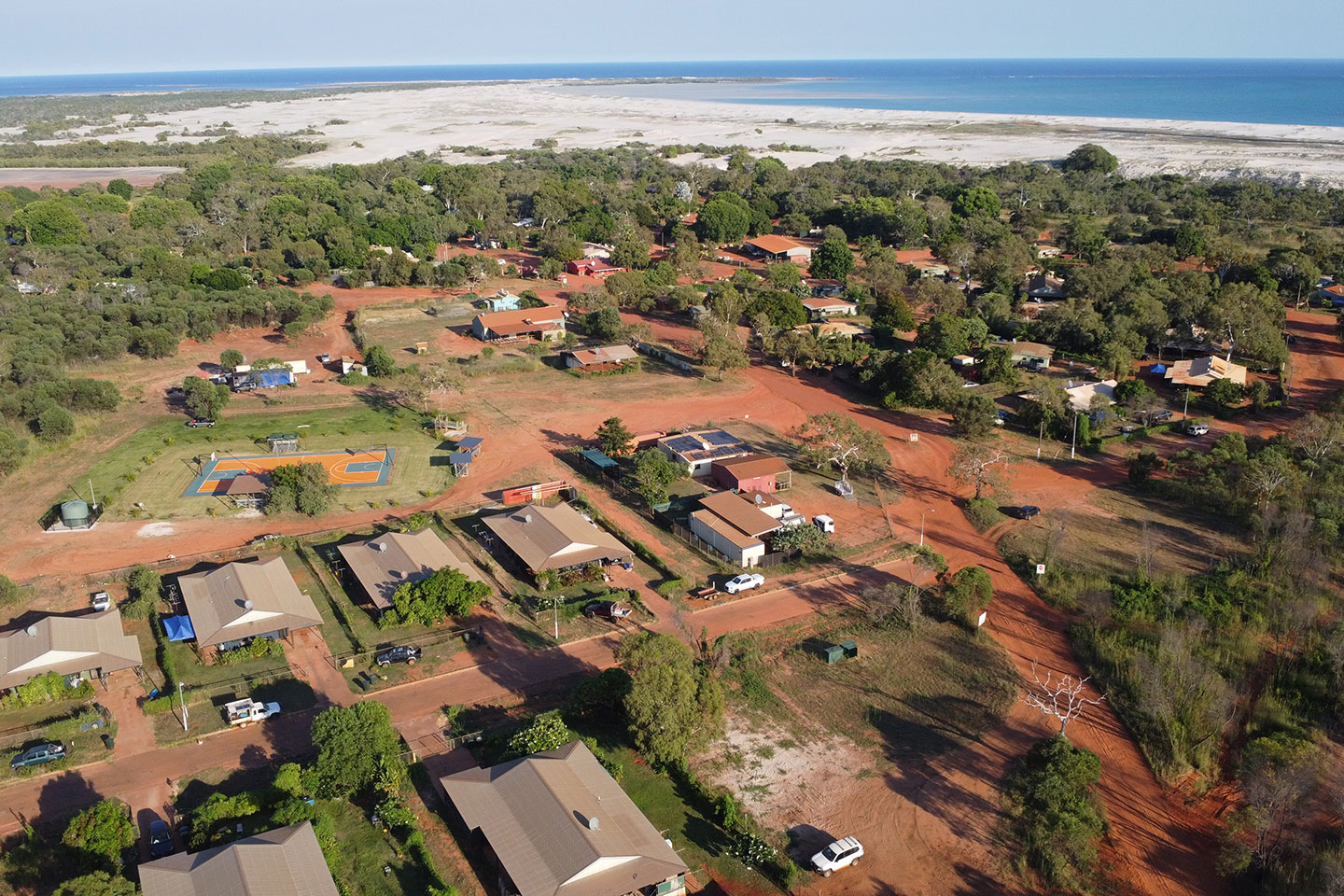
On the Dampier Peninsula, the Djarindjin Aboriginal Corporation (DAC) is demonstrating what genuine community‑led development looks like. Not defined by grants, short‑term pilots or policy experiments, but by a clear philosophy, The Djarindjin Way, a model grounded in culture, capability and a refusal to outsource our future.
At our centre sits the Binimal Aambooriny Strong People Healthy Living Strategy, the foundation of DAC’s 20‑Year Strategic Plan. More than a health policy, it is the operating system for the whole community and the wider Dampier Peninsula. It puts people first, demanding that every program, partnership and investment reinforce the physical, cultural and economic strength of Djarindjin. Our message is clear, health providers, utilities, government agencies and NGOs must work with us, not around us. No more silos. No more top‑down delivery. No more interventions shaped elsewhere but imposed here.
Binimal Aambooriny defines wellbeing in its fullest sense, physical, mental, cultural, environmental and generational. It establishes expectations for cultural safety, environmental responsibility, youth and elder engagement, and integrated community decision‑making. It formalises what we have always known, strong economies require strong people, and strong people require control over the systems that shape their lives.
Crucially, our strategy doesn’t reject outside support, instead, we reject dependency. External services and partners are resources, not lifelines. The Djarindjin Way is about building our own ecosystem, developing our own capacity, and ensuring that the community, not external stakeholders, determines the pace and direction of progress.
For decades, government responses to “closing the gap” have been built around external fixes. In Djarindjin we consistently argue, throwing money into an ever‑widening gap is counterproductive and stupid. Money does not build dignity, and it certainly does not build capability. So Djarindjin chose a different path we built our own table. Our table is built on accountable governance, disciplined financial management, cultural authority and economic participation. It is supported by DAC owned enterprises that keep wealth on Country, from the roadhouse and campground to land and community care services, financial counselling and LLND to our flagship operation that has become the pride of the Peninsula, Djarindjin Airport Pty Ltd.
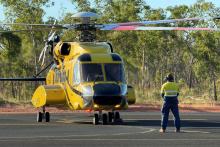
The airport is a case study in what happens when a remote Aboriginal community takes control of its assets and invests in its own people. Once dismissed as unrealistic, it is now the only civil hot‑refuelling operation of its kind in the southern hemisphere, fully Indigenous‑run and respected across the aviation and resources sectors. We don’t just operate the airport, we’ve transformed it. Our corporation repaid millions in debt, built a skilled aviation workforce drawn entirely from Bardi Jawi communities, and we created one of the region’s most reliable revenue streams. This is capability in action: complex, regulated industry performance delivered at world‑class standards.
Where others see gaps, we build bridges. The Aalga Goolil (Sun Turtle) renewable energy project is the next step in our evolution. After decades of dirty diesel systems, and frequent unreliable power, DAC decided not to accept dirty energy and insecurity as a condition of remote living. Instead, we’ve designed a community‑owned solar‑and‑battery system that will provide around 80% renewable energy, reduce costs, cut emissions, and create a new income stream.
This is what bridge‑building looks like, solving structural problems with structural solutions. Aalga Goolil is not a symbolic project, it is economic infrastructure, cultural expression and community empowerment woven into one. Our solar array will be shaped like a turtle; it brings cultural authority into the heart of modern engineering.
With our 20‑Year Strategic Plan anchored in Binimal Aambooriny, DAC is building an entire ecosystem of community‑driven development. We are not only building the table and the bridge, but we are also building the train, the track and the destination. While many organisations remain captive to short funding cycles, DAC is planning for generations. This long‑view approach, aligned with cultural responsibility, ensures that economic independence, service capability and community wellbeing grow together rather than in isolation.
The Djarindjin Way is lived practice, people first, culture centred, capability built not imported, partnerships welcomed, but never at the cost of autonomy. A future designed on our terms. At a time when governments and industries are searching for effective models of Indigenous and regional development, Djarindjin stands as a compelling blueprint. It shows what becomes possible when communities lead, when culture and governance align, and when strategies like Binimal Aambooriny ensure that every investment strengthens the people it serves.
At Djarindjin we are proving that remote communities do not need to wait for inclusion, or ask for permission, we can build the systems, enterprises and infrastructure that define our own future.
The Djarindjin Way is not just a philosophy. It is a pathway. A blueprint. A bridge. And the invitation is simple: walk with us, with respect, not control.


 By Djarindjin Aboriginal Corporation