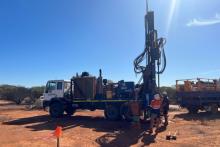
Terrain Minerals has launched preliminary metallurgical test work at its Lightning gold project in Western Australia’s Mid West region, ticking off another key de-risking step.
Management says early signs point to a likely non-refractory feed, implying conventional gravity coarse gold separation and carbon-in-leach processing ahead of a maiden resource estimate in July.
The company has engaged West Perth-based Independent Metallurgical Operations to run the test program, with samples from recent reverse circulation (RC) drilling already delivered to its Welshpool facility.
The definitive work will confirm whether Lightning’s gold mineralisation is non-refractory, which, if proven, would open the door to a conventional gravity and carbon-in-leach processing route rather than the more complex and costly alternative requirements associated with refractory ore.
The distinction between refractory and non-refractory gold ore is hugely important and, in intractable cases, can potentially make or break a project.
The term “refractory gold” refers to a type of gold ore that can be difficult to process using standard cyanidation techniques, which results in low gold recovery rates, potentially less than 80 per cent.
Refractory gold is typically trapped within sulphide minerals, such as iron, copper, or arsenic sulphides or, in other examples, might be associated with organic carbon. Such occurrences require more specialised pre-treatment of the ore, such as roasting or pressure oxidation, to break down or eliminate their deleterious components before extraction.
Getting the metallurgical ducks in a row is particularly important now as Terrain pulls together all the technical requirements before digging and processing its first resource. The proof of the pudding is expected within 13 weeks, during which the company will furnish progress updates.
The timing looks tidy. In mid-April, Terrain reported a string of strong RC drill results from Lightning, including 8m at 6.87 grams per tonne (g/t) gold from 76m, 7m at 7.08g/t gold from 217m and 11m at 2.61g/t gold from 86m.
Just a few days later, diamond drilling returned 3.4m at 4.96g/t gold from 213.6m, including 1m at 10.93g/t gold, while also delivering the final structural and density inputs required for the company’s upcoming July resource model.
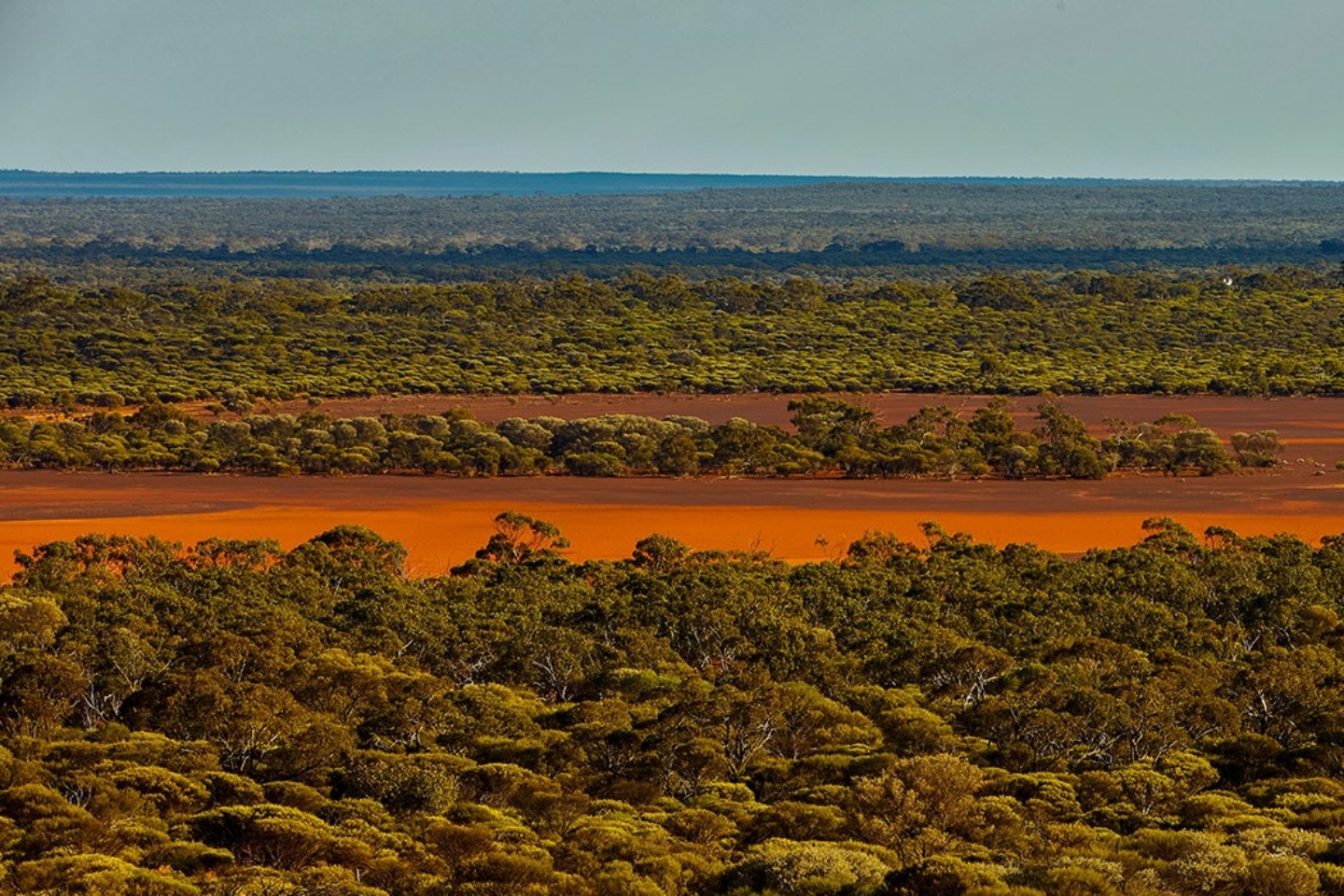
Lightning lies within Terrain’s 100 per cent owned Smokebush gold and silver project in the Yalgoo Mineral Field, 350 kilometres north of Perth. The granted mining lease covers both the Lightning and Monza prospects, with the broader structural corridor still offering considerable upside discovery potential.
That greater potential is currently being investigated with an induced polarisation geophysical survey to sniff out other Lightning-style gold targets in the area surrounding Lightning and Monza and in the adjacent Hurley ground just south of the mining lease.
Terrain says the project lies in a richly endowed gold district surrounded by currently operating and historic gold projects, with the latest test work aimed squarely at understanding how easily the ore could be treated if development studies continue to stack up.
If the metallurgy turns out the way Terrain hopes, Lightning could shape up as more than just a decent drill story. Favourable metallurgical results would give the market one more reason to keep a close eye on Terrain’s next resources catalyst due in July.
Is your ASX-listed company doing something interesting? Contact: matt.birney@businessnews.com.au


 By Doug Bright