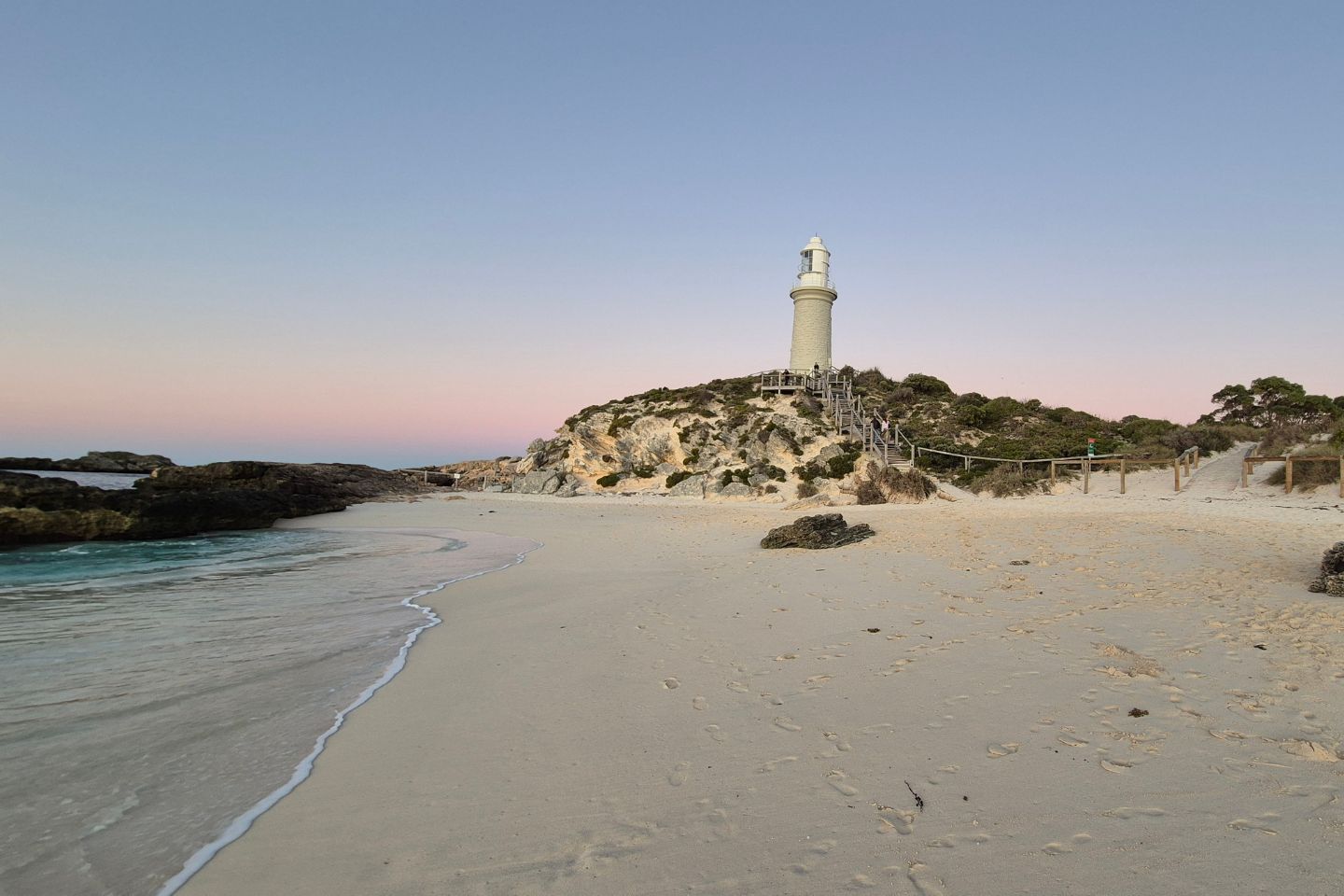
I spent a week at Rottnest late last month, enjoying the island for an extended winter break. In many ways my stay was markedly different from the annual spring holiday my family indulged in for decades.
Apart from the cold winds and shorter days, the biggest difference was that I knew almost no-one.
In a nod to the success of the state government’s campaign to promote Rottnest, the island was surprisingly crowded, with foreign voices dominant among the day trippers as well as almost all the workforce.
I’ll bet many of those tourists and workers are current or former foreign students who are taking advantage of the opportunity to visit and, for the latter, do the work no-one else wants.
Which makes me wonder about the state of the sector.
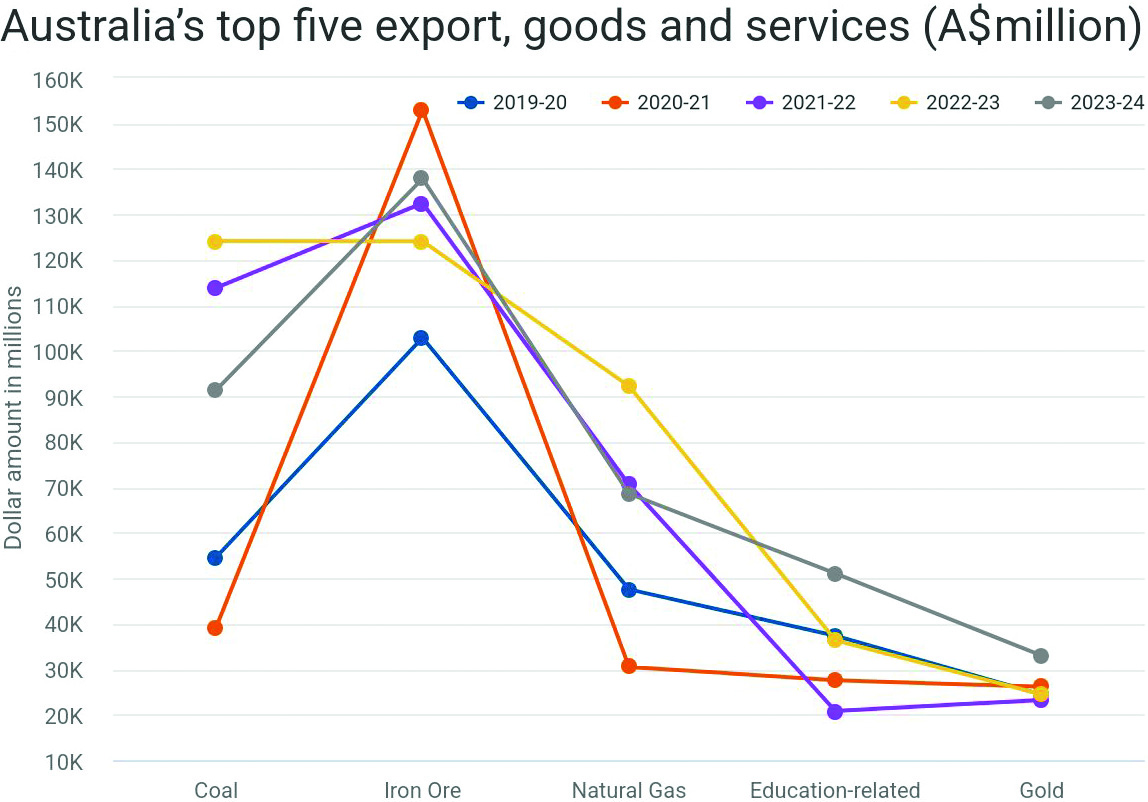
The federal government’s website highlights that foreign education contributed more than $51 billion to Australia’s economy in 2024, with almost 60 per cent of that paid directly to the federal government as GST.
The education of foreign nationals has become the fourth biggest export earner for the nation, behind iron ore, coal and natural gas in terms of contribution.
Although Western Australia’s stature in this market has receded, it was still worth a healthy $3.73 billion in 2024. This figure was well up on the previous few years as it bounced back from Covid-related issues, but also substantially more than 2019, pre-Covid, when it was $2.16 billion.
Unlike those other major exporters, education is a business that primarily leverages our cultural strengths.
It is the embodiment of former prime minister Bob Hawke’s aspiration for Australia to be the clever country.
But populist policies – such as raising visa fees and limiting foreign student numbers per institution – are a threat to the sector.
The mid-June failure of Perth International College of English (PICE) after 23 years in business and run by an established figure in the sector, John Paxton, could well be the canary in the coal mine, given the financial size of such institutions relative to the state’s universities.
After surviving Covid, which was a greater challenge for foreign education than any industry except aviation, the sector is being slammed by huge increases to student visa fees.
Notably for PICE, visas for the ELICOS (English Language Intensive Courses for Overseas Students) program were hiked by 125 per cent this year with a further 25 per cent planned, representing a tripling of such costs to prospective students.
The objective, it appears, is to somehow reduce headline immigration numbers that have been blamed for a housing shortage and a cost-of-living crisis.
While PICE was an early victim of the changes to visa fees, it won’t be the last.
ELICOS students, who make up about 5 per cent of the education market by value, do more for the economy than just pay tuition fees and employ teachers.
This a channel many tertiary institutions rely on for their future intakes of foreign students: academic customers who pay the real cost of tuition as well as subsidising the cost of educating Australia-born undergraduates.
So the big end of town, the university sector, will likely feel the heat from this move intensify in six to 12 months as their prospects dry up, having chosen to learn English elsewhere and then continue on with a degree in another country.
And, as stated, then there’s the work those ELICOS students do.
To defray the high cost of living in Australia, these unskilled people do all the jobs Australians don’t want to do.
They also do these jobs, including potentially on Rottnest, as they travel or experience Australian life after their studies.
Retail, cleaning, and gig economy jobs like delivery services need these people. Small businesses, in the main, will suffer from the labour shortfall.
And let’s not forget the benefits of having so many thousands of aspirational people who have learned about Australia and taken that understanding of our culture back to their homelands.
Who wins from this federal decision? The government might be able to crow about reducing immigration but it is window dressing.
Students in run-down share houses are not outcompeting first homebuyers.
The biggest cost of housing is the government failure to approve land developments in a timely and cost-effective manner.
Meanwhile, small business will suffer, including those on our beloved Rotto.