Nine business chambers representing parts of Europe are planning a strategic alliance, in the wake of the recent free trade agreement between Australia and the EU.
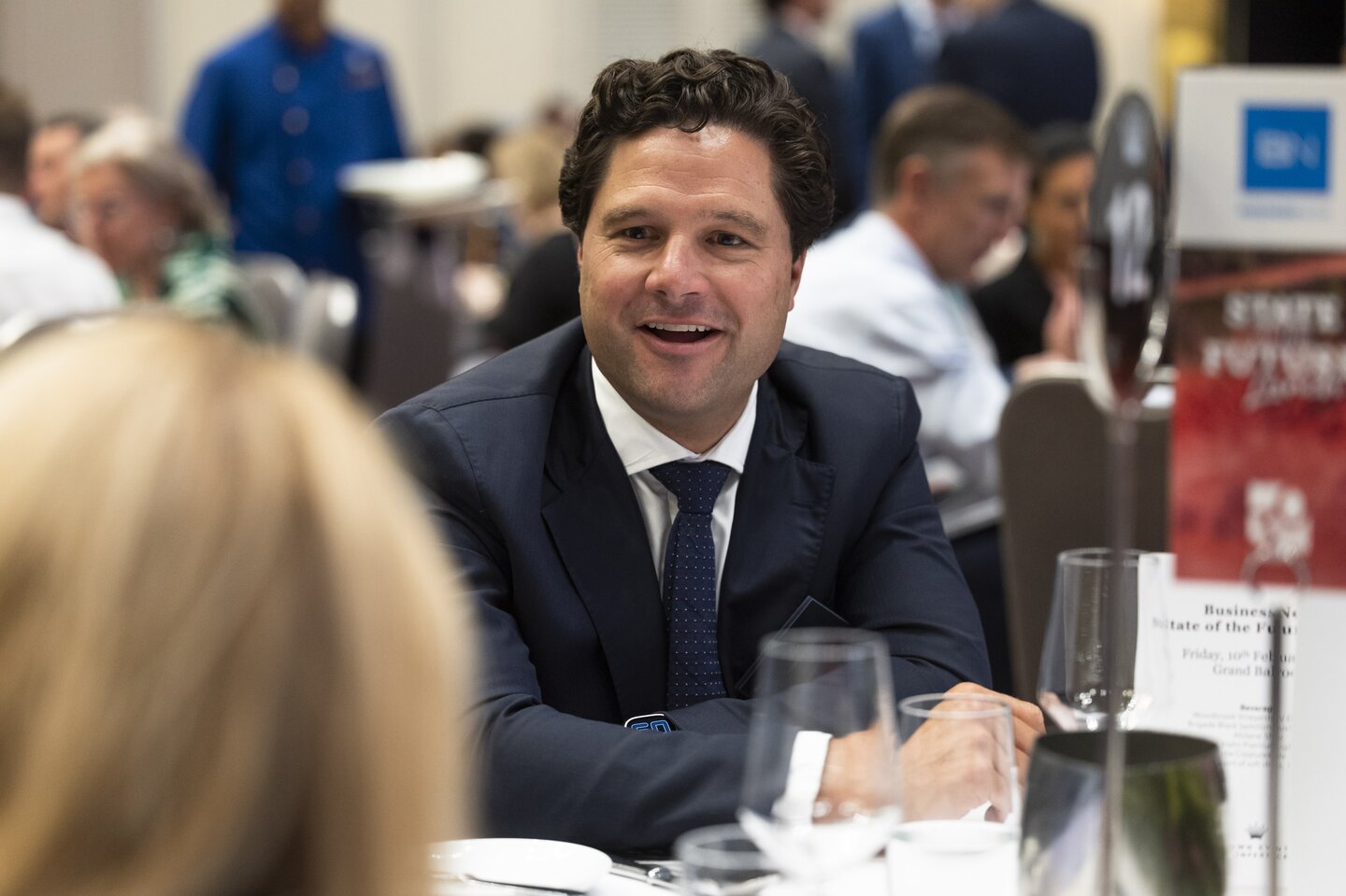
The plan was announced at a Europe Day meeting held in Perth over the weekend, which brought together the Greek, Italian, French, German, Croatian, Spanish, Norwegian, Polish and Swiss chambers in one room.
Hellenic Australia Chamber of Commerce and Industry WA president Elena Limnios told those in attendance that the signing of the FTA between the EU and Australia in March would create unprecedented opportunities for European-Australian business.
Dr Limnios said the deal and the defence partnership announced alongside it were catalysts for the alliance, which remains in the works, and would open Australian business to market of 450 million consumers.
The FTA will remove tariffs applied to 98 per cent of Australian exports into the EU and 97.2 per cent of EU exports to Australia.
It is yet to be ratified, but its terms were agreed in March.
EU Delegation head of trade and economic affairs Joanna Poctztowska said the global geopolitical unrest in the world highlighted the importance of strategic partnership.
She said the agreement was “the most ambitious and most comprehensive” ever signed between the EU and Australia.
“It covers everything, it covers things like services and good but also specific sectors – critical minerals, which is very important for Western Australia,” she said.
The event also heard from CBH Group chief executive Ben MacNamara, Austal’s Oliver Morton and QantasLink general manager Trevor Worgan.
Mr MacNamara highlighted the importance of ESG in the European market, and said growers in WA were experiencing strong demand for crops used in the production of sustainable aviation fuels.
“We continue to see that as an important market,” he said.
“One other thing we also export into Europe mostly, mostly in through the Netherlands, is actually lupin.
“The feed markets up there can’t get their hands on enough of it.
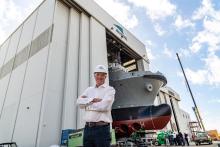
From the Austal perspective, Mr Morton, who is executive vice president of sales and strategy, said there were huge commercial opportunities for technologically advanced vessels in Europe.
Austal is building a cargo trimaran, a sailing cargo ship with three hulls which is expected to hit the seas this year, for Vela Transport in France.
The 66-metre project was expected to cost in the range of $40-$45 million when it was announced in 2024 and will transport cargo across the Atlantic Ocean using wind.
Austal is also working on a high-speed ferry called Horizon X for Swedish customer Gotlandsbolaget, which will run on a unique, multi-fuel design incorporating gas and steam, with hydrogen capability.
“Europe is a really discerning customer, really pushing decarbonisation, really pushing high technology product,” Mr Morton said.
On the defence front, Mr Morton said there was the potential that Europe’s market would reach a point as spending increased where it could no longer service all its needs domestically.
“Therefore the opportunity for Australian companies to parter into that has got to be there,” he said.
Representing Qantas, Mr Worgan stopped short of confirming plans for a direct flight to Athens but said new fleet capabilities would lead to the establishment of new markets for consumer flights.
“You will see new markets appear,” he said.
“There’s a huge amount of work going into assessing those markets.”