Corazon Mining has inked an agreement with IGO Ltd that hands Corazon the right to apply for an extensive, contiguous tenement package in the highly prospective Plutonic-Marymia Greenstone Belt, 200 kilometres northeast of Meekatharra in Western Australia.
The new application area will boost Corazon’s total landholding to an estimated 537 square kilometres and tighten its grip around the company’s contiguous Two Pools gold project immediately to the north.
Under the terms of the deal, Corazon is set to pay IGO $35,000 plus about $5,984 in application fees, while granting a 1.5 per cent net smelter return royalty over any gold or other minerals produced from the ground.
If Corazon eventually delivers a JORC-compliant mineral resource estimate of at least 100,000 ounces of gold or gold equivalent within the ground, it will also write IGO a A$1 million milestone cheque.
The less-easily recognised icing on the cake is that the deal hands Corazon a perpetual licence to all historic mining and technical information tied to the area, including a chunky, non-public De Beers dataset that could be a virtual gold mine in itself.
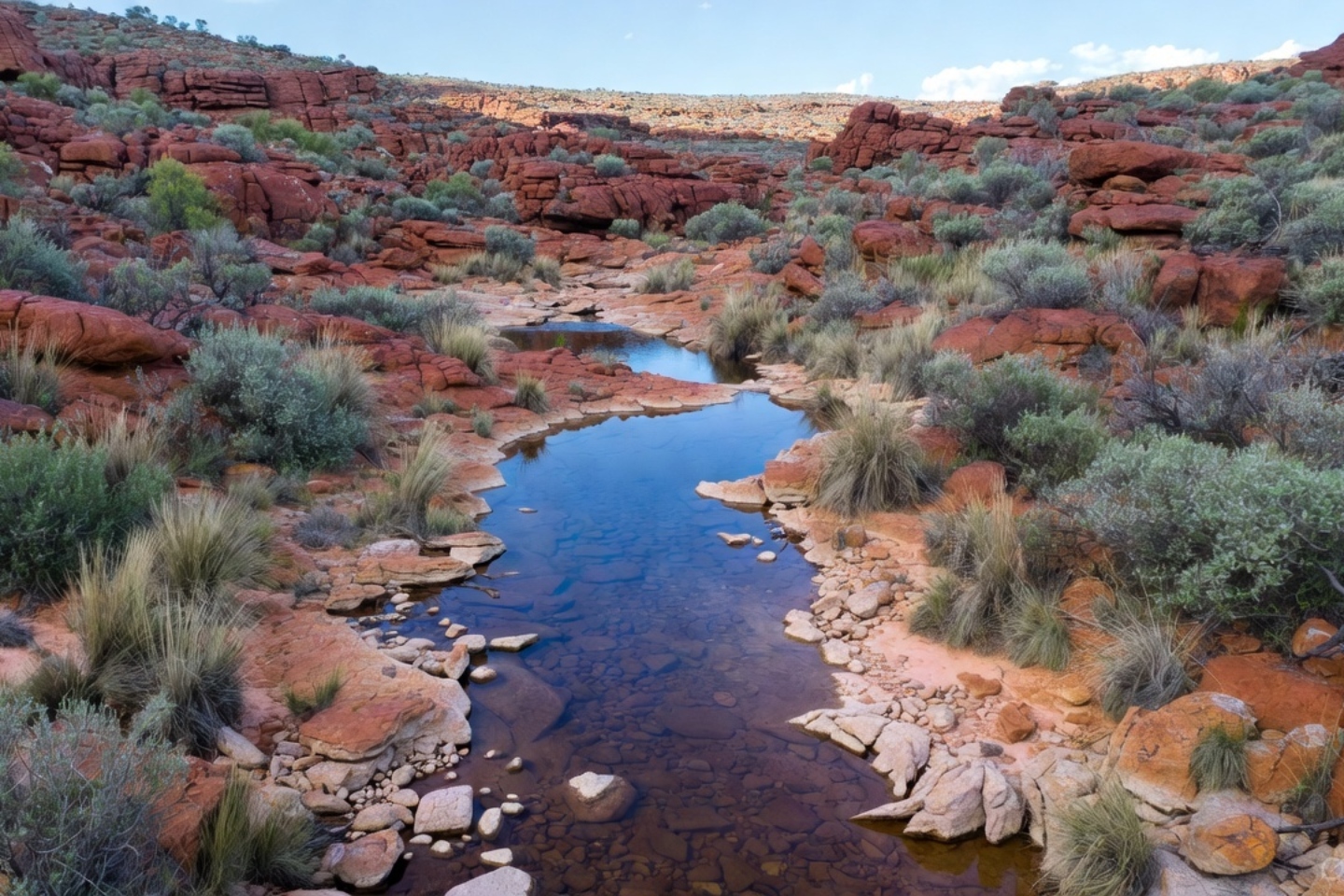
The Plutonic-Marymia greenstone belt is a proven gold address in WA’s Mid West region, with the long-running Plutonic operation and a cluster of nearby deposits highlighting the region’s prospectivity.
The regional geology comprises ancient mafic and ultramafic rocks, stitched together by regional-scale north-east-trending shears and faults – the sort of structural plumbing in the area that has repeatedly proven capable of hosting serious gold mineralisation.
Corazon says its open-file magnetic imagery points to a northeast trending array of structures that cut across its newly secured tenure, with at least one tenement exhibiting structural features that closely mirror those observed in its adjacent Two Pools mineralised zone.
Corazon believes the same structural array continues southwest into the broader greenstone belt which hosts the Plutonic operation, adding weight to its view that the new ground is ripe for modern sampling and geophysics.
Notably, the sequence of Archean-aged mafic, ultramafic, and minor sedimentary rocks in the new ground is also believed to reflect a stratigraphic extension of the Plutonic greenstones.
Corazon Mining Limited managing director Simon Coyle said: “Securing this additional ground and the associated historical data from IGO is a fantastic outcome for Corazon. Accessing the De Beers dataset – which has remained outside the public domain – gives us a significant advantage as we move to apply modern exploration techniques to this underexplored 5km greenstone corridor. We see clear structural parallels to the high-grade gold mineralisation at Plutonic and are eager to get on the ground to test these new targets”.
Corazon says historical work across the new tenement was largely limited to broad-spaced surface sampling but left a 5km-long by 700m-wide corridor of outcropping greenstones completely undrilled.
Management believes that outcrop could be the tip of a much bigger package of prospective greenstones under shallow cover, exactly the sort of scenario modern geophysics can test quickly and cheaply.
Next steps involve the company folding all the information from the newly acquired De Beers dataset into its regional models before rolling out fresh, closely spaced soil sampling and modern geophysical programs to home in on drill targets.
If exploration results from that underexplored belt of greenstones and favourable structures start to light up, Corazon could soon have plenty more to talk about.
Is your ASX-listed company doing something interesting? Contact: matt.birney@businessnews.com.au


 By Doug Bright