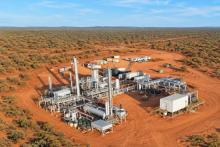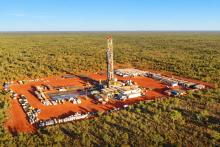



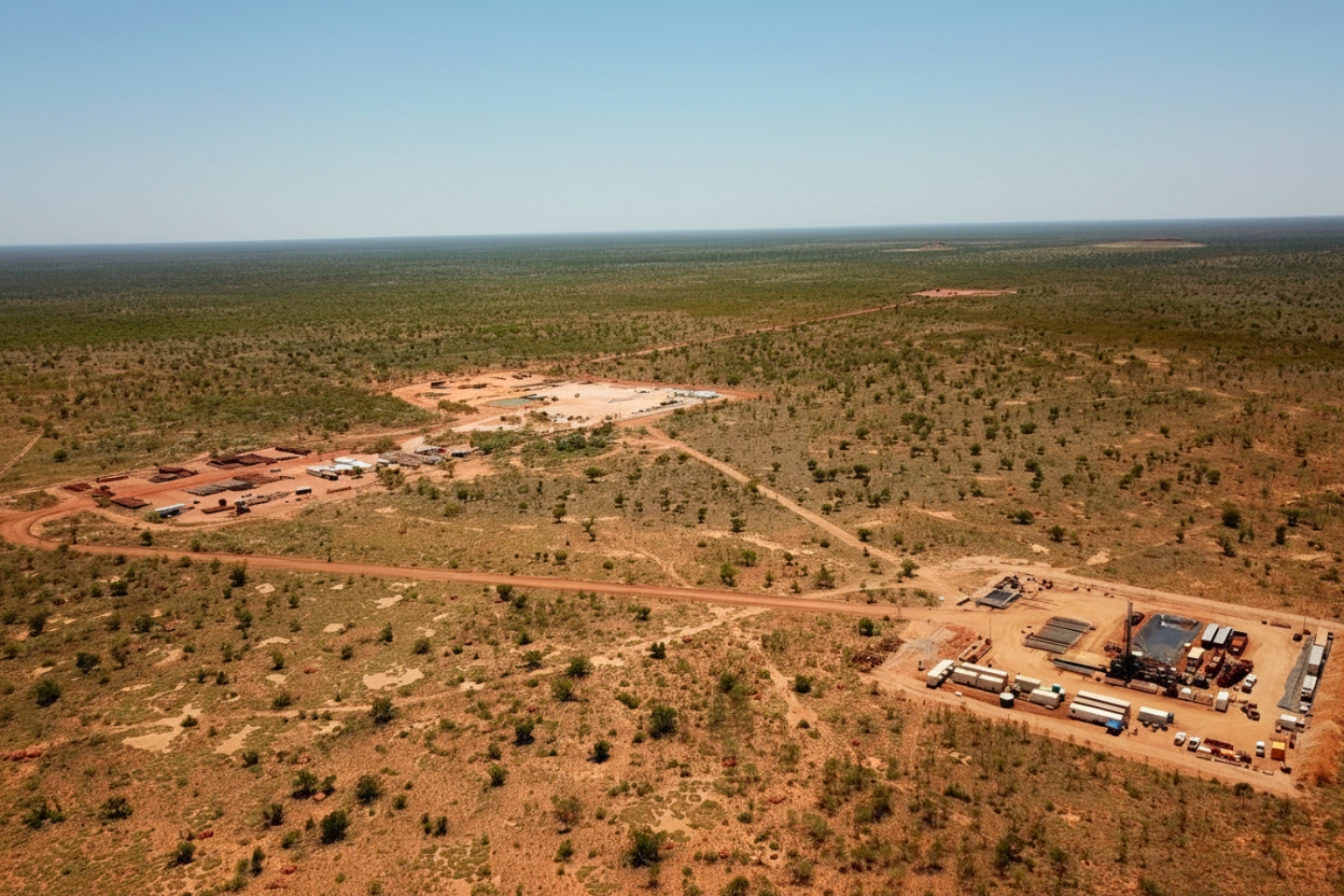
Buru Energy has breathed new life into its advanced, onshore Ungani oil field in Western Australia’s Canning Basin, delivering a whopping 200 per cent increase in potential recoverable oil volumes at the project, up to 660,000 barrels.
The significant upgrade from a previous estimate of 220,000 barrels follows a detailed review of the field, which has been sitting waiting in the winds since August 2023 and hints at a clever strategic pivot by the Perth-based energy player.
The company’s assessment of the restart opportunity at Ungani looks a timely one, emphasising its new plan to potentially establish a local micro-refinery aligns perfectly with a growing focus on fuel security in the Kimberley. The WA Government has recently moved to secure 4 million litres of diesel for storage in the region, highlighting the pressing need for logistics and a local fuel supply.
Under its previous operating model, Buru’s Ungani oil was to be trucked more than 1000km to the port of Wyndham for export to refineries in Asia. The company says those trucking and export costs made up more than 50 per cent of its total operating expenses. Instead, by becoming a new strategic supplier for the Kimberley market, the project could turn from a low margin to a strategically relevant play overnight.
The company says its resource upgrade was underpinned by reservoir simulations conducted by an independent engineer, predicting that after an initial period of “flush production” when the field is brought back online, careful management could lead to several years of plateau production. The flush production is a known feature of analogue reservoirs in the area and an expected feature of its Well's production profile.
The revival of interest in the Canning Basin also comes as WA’s environmental authority recently advanced other exploration and appraisal activities in the area, promising renewed industry focus on the hydrocarbon-rich province.
Buru Energy executive chair David Maxwell said: "The increase in the estimated Ungani 2C Contingent Resources is a significant value uplift opportunity for Buru at a time when the strategic importance of local energy security is clearly evident. Changing the operating model and significantly reducing the transport and operating cost are the objectives of our assessment of new and more valuable offtake and market options in the region – including a micro-refinery."
The Ungani oilfield has produced more than 2.3 million barrels of crude oil since production began in 2012 and sits along the flanks of the Fitzroy trough. The trough is considered most prospective along its flanks and stretches some 600km from west of Broome into the heart of the Kimberley.
With the previous long-haul trucking model looking particularly costly in the current environment, Buru’s plan for a shorter, local supply chain seems to make a lot of sense.
While the recovery of the now much larger contingent oil resource is subject to a commercial restart and maturing offtake options, the logic is compelling.
For a field that was put on ice due to an uneconomic operating model, a tripling of the potential prize combined with a sharp new strategy to tap into a clear local need has given Ungani a new lease on life.
Is your ASX-listed company doing something interesting? Contact: matt.birney@businessnews.com.au
Share Price
Revenue
| 214 | - | Buru Energy | $314,000.00 |
| 393 | - | Recharge Metals | $3,823.00 |
| 395 | - | American Uranium | $3,455.00 |
| 396 | - | Avenira | $2,915.00 |
| 399 | - | Conico | $2,479.00 |