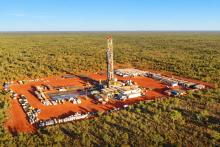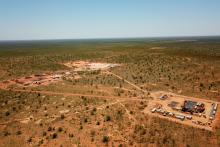



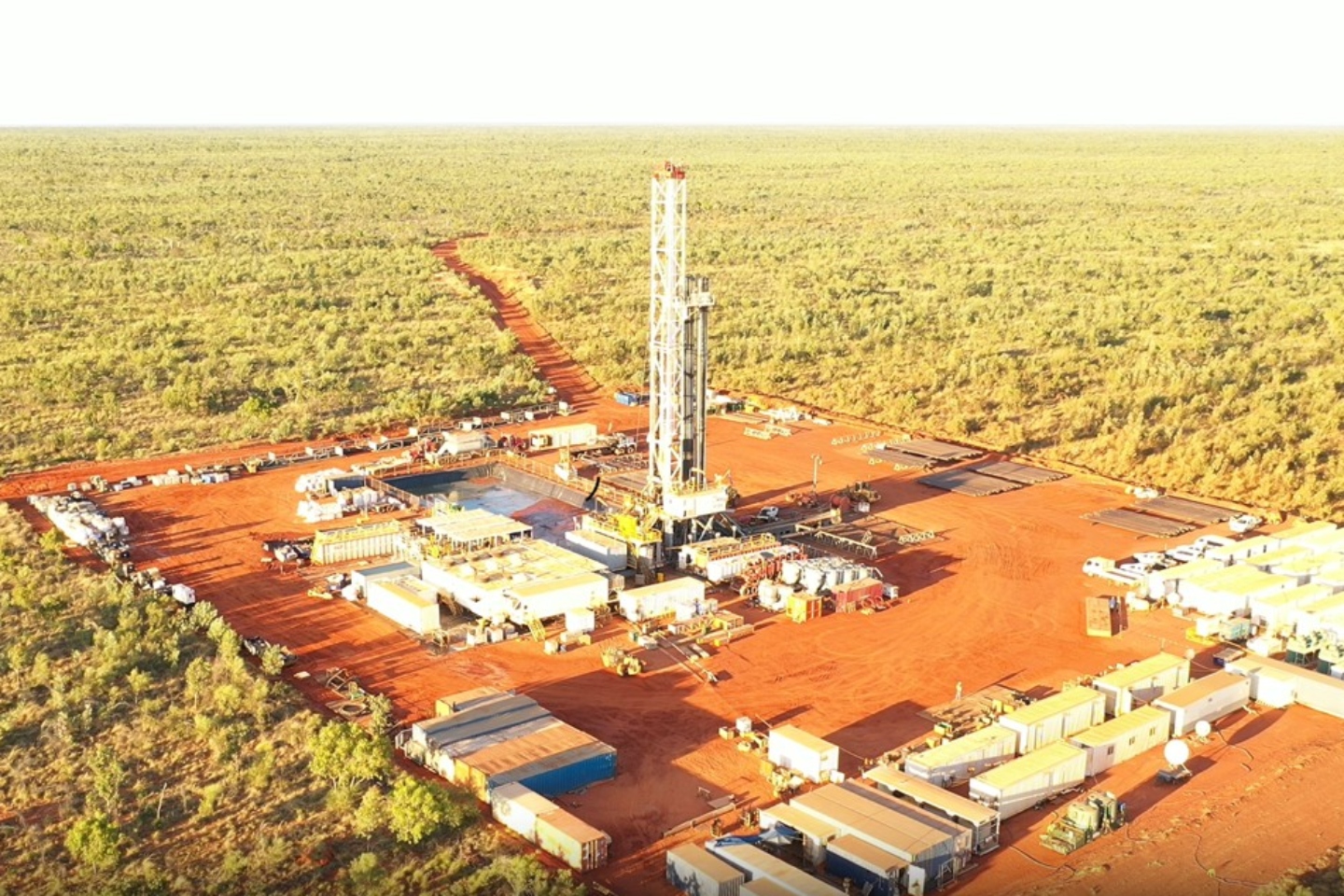
Buru Energy is methodically ticking off the key boxes required to turn its onshore Rafael gas discovery in Western Australia’s Canning Basin into a producing asset, as it ramps up a global funding process to bankroll the next critical stage of drilling in 2026.
The company says it is rattling the tin for $40 million to fund a flow test and an independent resource certification, steps that will clear the runway towards a final investment decision (FID).
According to Buru, interest is coming from a broad mix of domestic and international groups, ranging from upstream producers and utilities to commodity traders, private equity, asset managers and specialist royalty financiers.
The company says the process is already well advanced, with multiple parties conducting detailed due diligence. The current phase is targeted for completion in the first quarter of 2026, allowing Buru time to lock in long-lead items and commit to drilling.
At the operational level, Buru has already done much of the heavy lifting. Regulatory approvals are now in place for the upcoming flow test, following the Western Australian Government's signing off on the Well Drilling Environment Plan in September.
The program will include drilling the Rafael 2H well, previously known as Rafael B, and recompleting the existing Rafael 1 well, potentially adding horizontal sections to maximise flow performance.
Drilling is scheduled to kick off in the second quarter of 2026, subject to finalising the upstream funding partner, with the results expected to be pivotal. Successful validation of flow rates and reserves will allow Buru to lock up binding agreements with its strategic development partner, Clean Energy Fuels Australia, before moving towards a final investment decision in the second half of 2026.
The CEFA partnership is a cornerstone of the development plan. Under a strategic development agreement executed earlier in the year, CEFA will finance, build, own and operate a liquefied natural gas plant, with a capacity of up to 300 tonnes per day – more than enough to get the till ringing.
Beyond Rafael, the company has also flagged additional upside through the deeper Flying Fox prospect, which sits beneath the existing field and carries potential for gas and condensate. While not part of the immediate development plan, management sees strong synergies that could materially enhance the project over time.
Just as important as the technical progress has been Buru’s corporate reset. Following a major business review in late 2024, the company has now cut its headcount by 40 per cent, slashed general and administrative costs by around $3 million a year and reduced its Canning Basin exploration footprint by 60 per cent. Non-core assets were divested, capital expenditure reined in and the balance sheet kept debt-free.
Buru says the leaner structure is now squarely focused on a single goal of delivering enduring cash flows from Rafael. To support its efforts, Buru recently raised $4.4 million through a placement and share purchase plan. The company also secured a two-year extension from the WA Government to apply for a production licence, giving it breathing room to complete the remaining technical and commercial work.
With funding discussions ongoing, approvals in hand and a clear development timeline targeting first long-term cash flows within two years, 2026 is shaping up as a defining year for Buru. If the next well delivers as hoped, Rafael could mark the company’s transformation from long-time explorer to fully fledged gas producer….again.
Share Price
Revenue
| 214 | - | Buru Energy | $314,000.00 |
| 393 | - | Recharge Metals | $3,823.00 |
| 395 | - | American Uranium | $3,455.00 |
| 396 | - | Avenira | $2,915.00 |
| 399 | - | Conico | $2,479.00 |