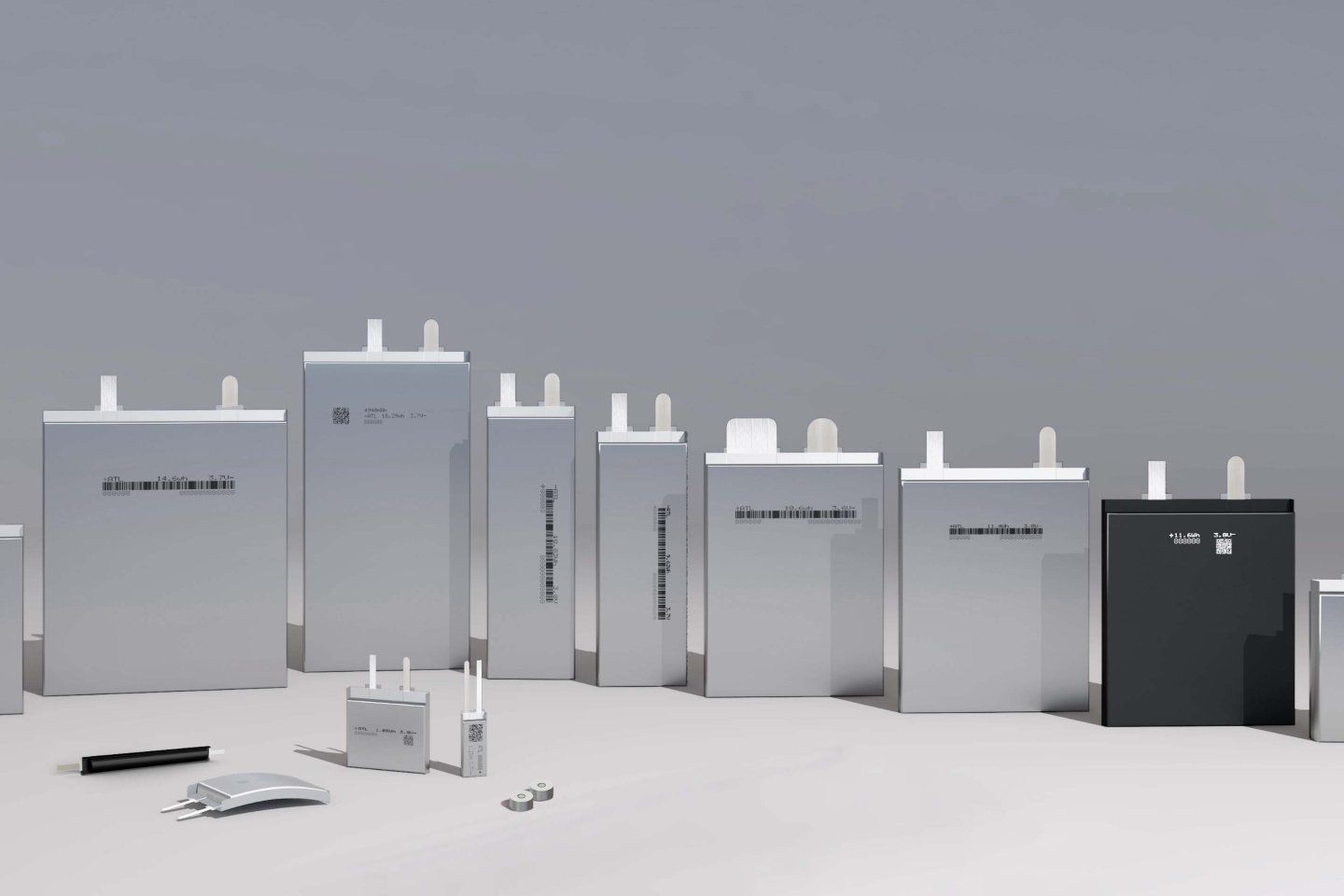
St George Mining is bringing global battery heavyweight Amperex Technology Limited onto its share register in a $2M deal that gives the group a strategic stake in the company as part of a restructure of the pair’s existing Lithium Star joint venture.
Under the deal, St George will acquire ATL’s 10 per cent holding in Lithium Star and issue 12.5M shares at 16 cents each, valuing the transaction at $2M. The price represents a 36 per cent premium to St George’s 30-day volume-weighted average price.
The move gives ATL direct exposure to St George’s giant Araxá niobium and rare earths project in the mining-friendly inland state of Minas Gerais in Brazil. At the same time, St George takes full ownership of Lithium Star and retains its lithium-prospective ground in Western Australia under one roof. ATL will also retain offtake rights over up to 25 per cent of any future lithium product from successful Lithium Star projects.
The deal deepens a relationship that already spans lithium exploration and now stretches into the strategic metals space, where Araxá is clearly St George’s main development focus.
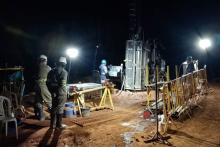
That focus has firmed in recent weeks after the company reported more thick, high-grade surface strikes at Araxá, including standout rare earths and niobium hits beyond the existing resource area. The company also appointed engineering group Worley as technical adviser for feasibility work on a potential rare earths mine at the project.
The latest strategic step suggests St George is steadily building both the technical bench and broader support needed to move Araxá towards development.
St George Mining executive chairman John Prineas said: “ATL has been a long-standing, supportive partner of St George’s quest to drive shareholder value from discovering and commercialising critical minerals opportunities. . The greenfields projects underpinning Lithium Star remain a valuable and highly prospective opportunity for St George, with early-stage exploration identifying several prospects for follow-up work.”
St George Mining also has both state and federal government backing to help fast-track development of the Araxá project.
The state government of Minas Gerais offers tax exemptions through a preferential regime that can waive state goods tax of up to 18 per cent on equipment and materials needed for pilot and full-scale plants. It also provides fast-tracked approvals through a formal cooperation agreement designed to help speed permitting.
At the federal level, Brazil is also backing St George's push into downstream processing. Through partnerships with the Federal Centre for Technological Education and EMBRAPI, the company can access support for its Technological Centre, a dedicated rare earths and niobium research and pilot plant facility, with EMBRAPI able to fund up to 60 per cent of eligible R&D and pilot plant costs.
St George also works with federal R&D institutions, including SENAI and the MAGBRAS initiative, to develop sustainable processing technologies. Both groups are important parts of Brazil’s push to build a self-sufficient supply chain for critical minerals and green technology.
SENAI is a network of government-funded, industry-backed research centres and is Latin America’s biggest scientific, technological and professional training agency.
MAGBRAS is a landmark public-private initiative led by SENAI and the Federation of Industries of Minas Gerais that aims to build Brazil’s first fully integrated domestic supply chain for neodymium-praseodymium permanent magnets, a key ingredient in electric vehicle motors and wind turbines.
At the beginning of March, St George announced a major upgrade to a total measured, indicated and inferred resource of 70.91 million tonnes (Mt) at a grade of 4.06 per cent total rare earths oxides (TREO) and 0.77 per cent magnet rare earths oxides (MREO). The resource also includes niobium pentoxide at a grade of 0.62 per cent using a two per cent TREO cutoff grade.
The company also reported an additional 24.56Mt at 0.52 per cent niobium pentoxide and 1.2 per cent total rare earths oxides using a 0.2 per cent niobium pentoxide cut-off grade, taking the combined resource to 95.47Mt.
If those results keep coming, with high-grade mineralisation from surface, ore-grade material extending to the base of oxidation and plenty of room to grow the resource, St George could be shaping up for a serious seat at the table in Brazil’s fast-emerging critical minerals story.
The market seemed pleased with the latest news, rewarding St George with an 8.3 per cent uptick to 13 cents per share by midday, on turnover of just over 8.7M shares.
Is your ASX-listed company doing something interesting? Contact: matt.birney@businessnews.com.au


 By Doug Bright