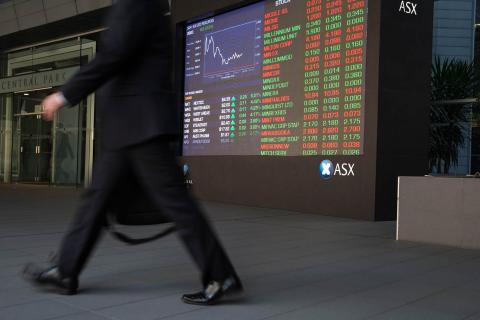
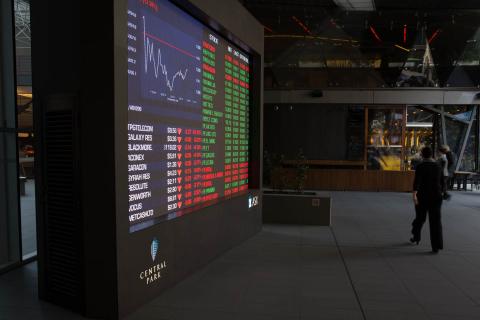
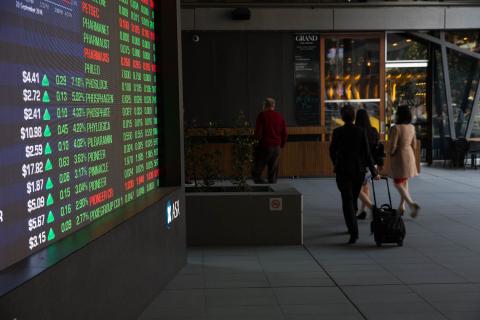
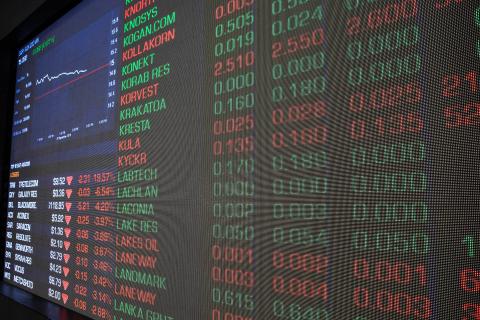
The Australian share market has pushed off from the depths of recent lows and closed higher for the first time this week due to broad-based gains to the indices' major sectors.
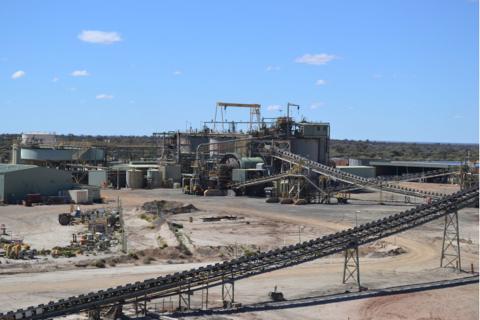
Junior gold miner Echo Resources has appointed former Eastern Goldfields chief executive Victor Rajasooriar as its new leader, effective today, after former chief executive Simon Coxhell resigned in October.
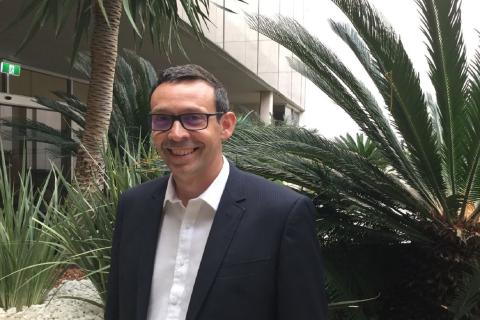
Former ATCO Gas Australia president Pat Donovan has been announced as the new chief executive of the Water Corporation, replacing Sue Murphy after a 10-year tenure.
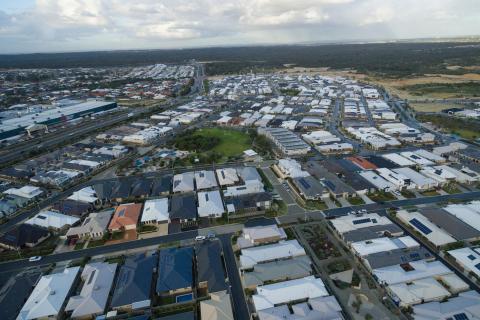
Perth house prices and sales volumes are unlikely to improve significantly next year but rental rates could increase, according to the Real Estate Institute of Western Australia.
Oil prices rose about $US1 a barrel a barrel overnight, bouncing from the lowest levels in months, after US government data showed strong demand for refined fuel, but concerns remained over rising global crude supply.
The S&P 500 ended higher after a brutal two-day sell-off, led by a rebound in energy and technology shares, but the market faltered toward the session's end as Apple shares surrendered gains ahead of the Thanksgiving holiday.
Gold prices have risen to a two-week high as the dollar slipped, with uncertainty on the pace of interest rate hikes by the US Federal Reserve also supporting the metal.
A late rally from banking and health care helped lift the Australian share market off a near two-year low but commodity-related stocks and tech shares weighed heavily.
Bunbury telco CipherTel has won two more state government grants to provide high-quality broadband access to rural areas not adequately serviced by the National Broadband Network, this time in the Kimberley.
Perth-based Steve Willis has been appointed acting chief executive of Millennium Services Group after his predecessor, Craig Hanley, became the sixth director to leave the national security and cleaning company over the past two months.
The Australian share market has dived to near two-year lows amid a global stock sell-off, with energy and mining stocks bleeding red and the banks also suffering in early trade.
Gold prices edged downward as investors flocked to the dollar and US government bonds amid steep declines in global stock markets, denting appeal for non-interest bearing bullion.
US stocks have extended their recent sell-off, with the S&P 500 hitting a three-week low, as energy shares dropped with oil prices and retailers including Target and Kohl's sank after weak earnings and forecasts.
Oil prices have tumbled about seven per cent, with US crude plunging to its lowest level in more than a year, caught in a broader Wall Street sell-off that was fed by rising concerns about slowing global economic growth.
A late rally from banking stocks kept the Australian share market from the doldrums reached in October, but broad-based losses still dragged the indices lower with local tech stocks following the fortunes of US counterparts.
Healthcare stocks are in the sick bay and the energy sector is also sapping the Australian market at the open, while local tech stocks have followed the fortunes of their US counterparts and plummeted in early trade.
Gold inched up as the dollar fell, but the metal stayed in a tight range as investors held off on big moves ahead of the US Thanksgiving holiday on Thursday.
Brent crude futures fell in choppy trade, under pressure from growing supply but supported by a reported drawdown of US oil inventories, potential European Union sanctions on Iran and possible OPEC production cuts.
The Nasdaq has slumped nearly 3 per cent and the Dow and S&P fell more than 1 per cent as investors pulled out of Apple and internet shares, while conflicting signals over the US-China trade dispute added to caution.
Three major sporting facilities in Perth will bear the name of health insurer HBF after the organisation signed a deal for the naming rights to nib Stadium.
The Australian share market has closed lower, weighed down by APEC trade tensions and a financial sector hit by more banking woes and the loss of a significant contract for Medibank Private.
Newly built homes in Western Australia are the largest in the country, with new houses averaging 235.3 square metres and new apartments increasing in size by 8.7 per cent.
Oil ended the week slightly firmer after volatile trading, supported by expectations that the Organisation of the Petroleum Exporting Countries would agree to cut output next month, though prices fell for the sixth straight week amid global oversupply concerns.
The S&P 500 and Dow Industrials are higher after President Donald Trump said the United States may not have to impose further tariffs on Chinese goods, but falling shares of Nvidia Corp dragged down the Nasdaq.
Gold rose as much as a percentage point as the dollar fell after US Federal Reserve officials made cautions comments on the outlook for interest rate hikes, while palladium hit a record high driven by worries about short supplies.