In 2026, leadership looks very different to how it did even a decade ago.
Today’s industry leaders are navigating constant decision-making, long hours, cognitive overload and the responsibility of teams, families and organisations. What we see consistently among our clients - busy CEOs, senior executives, medical professionals, lawyers and founders is a clear move away from the old approach to health: short bursts of extreme training followed by long periods of neglect. That model no longer works for modern leadership.
Instead, Perth’s most effective leaders are approaching their health with the same mindset they apply to business: clarity, structure, consistency and long-term performance.
At Chris Wilson Fitness Studio, we work closely with leaders across Western Australia, and a clear pattern has emerged. High performers are no longer asking, “How hard can I train?” They’re asking, “How do I stay strong, focused and energised for the long game?”
Health as a Leadership Asset
For many years, health was something to fit in around work. In 2026, leading professionals recognise that physical wellbeing underpins everything else - decision-making, emotional regulation, resilience and sustained energy.
This shift is happening against the backdrop of a growing, dynamic city. Perth’s metropolitan population now sits at more than 2.19 million and continues to expand at around 1.2 per cent annually, positioning it as one of Australia’s fastest-growing major cities.
Leaders are increasingly seeking holistic health solutions. Demand has grown for approaches that combine strength training with mobility, yoga and recovery modalities such as saunas and ice baths. Strength training in particular continues to rise in popularity due to its long-term benefits, including improved bone density, reduced injury risk and greater functional capacity with age.
Nutrition is another area where leaders are taking initiative. Over the past year, we’ve seen a 300% increase in demand for structured nutrition programs, including personalised macro plans and flexible training solutions that adapt to business travel, time zone changes and disrupted routines, rather than relying on rigid schedules.
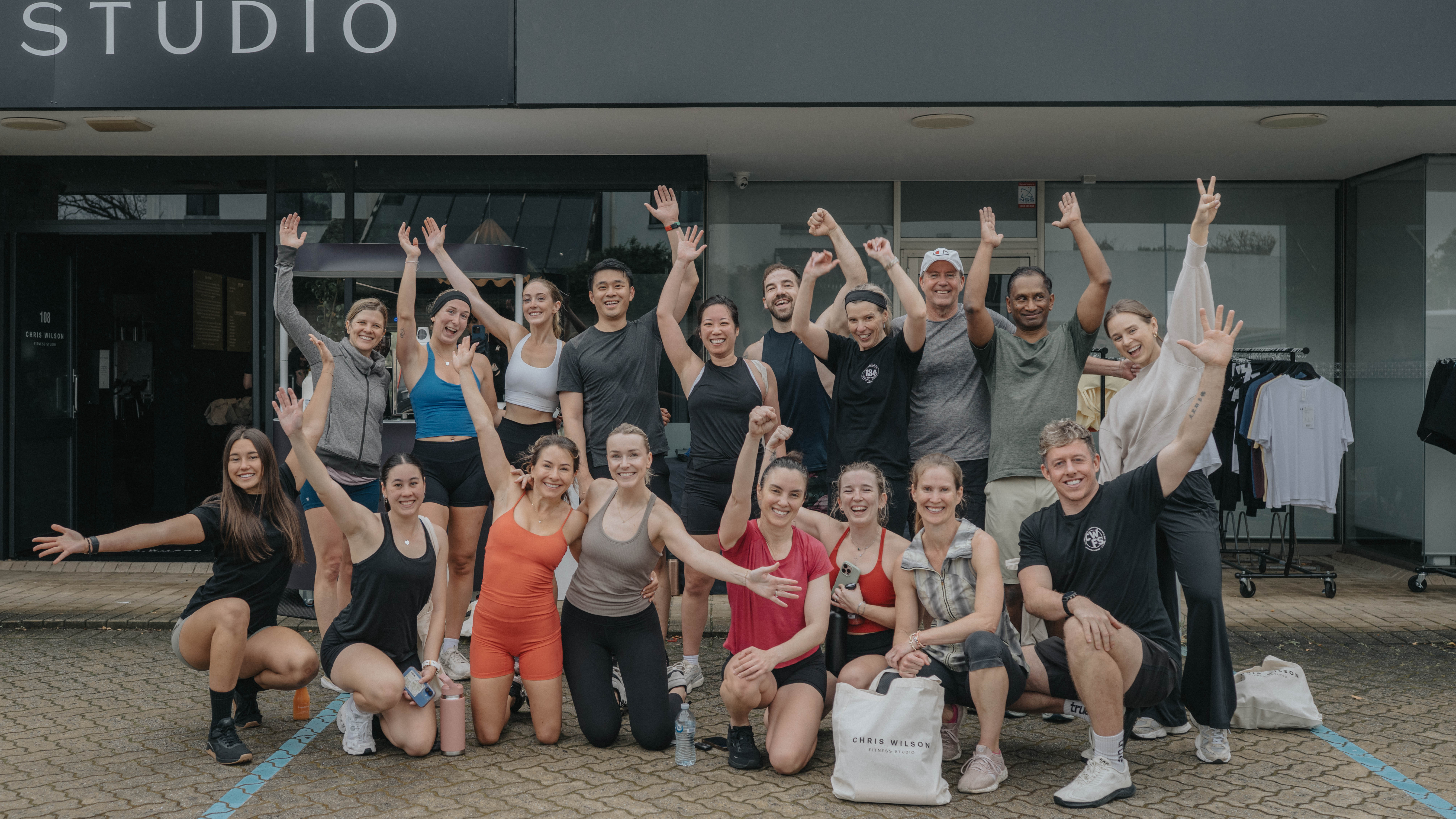
Leaders who consistently perform at a high level don’t leave their health to chance. They build it into their routine with the same discipline they apply to board meetings or strategic planning. Some of our longest-standing clients - including a property developer and a lawyer - haven’t missed a single morning session in over eight years. It’s not intensity that drives their results; it’s consistency, routine and starting each day with intention.
Why Leaders Are Choosing Boutique Training
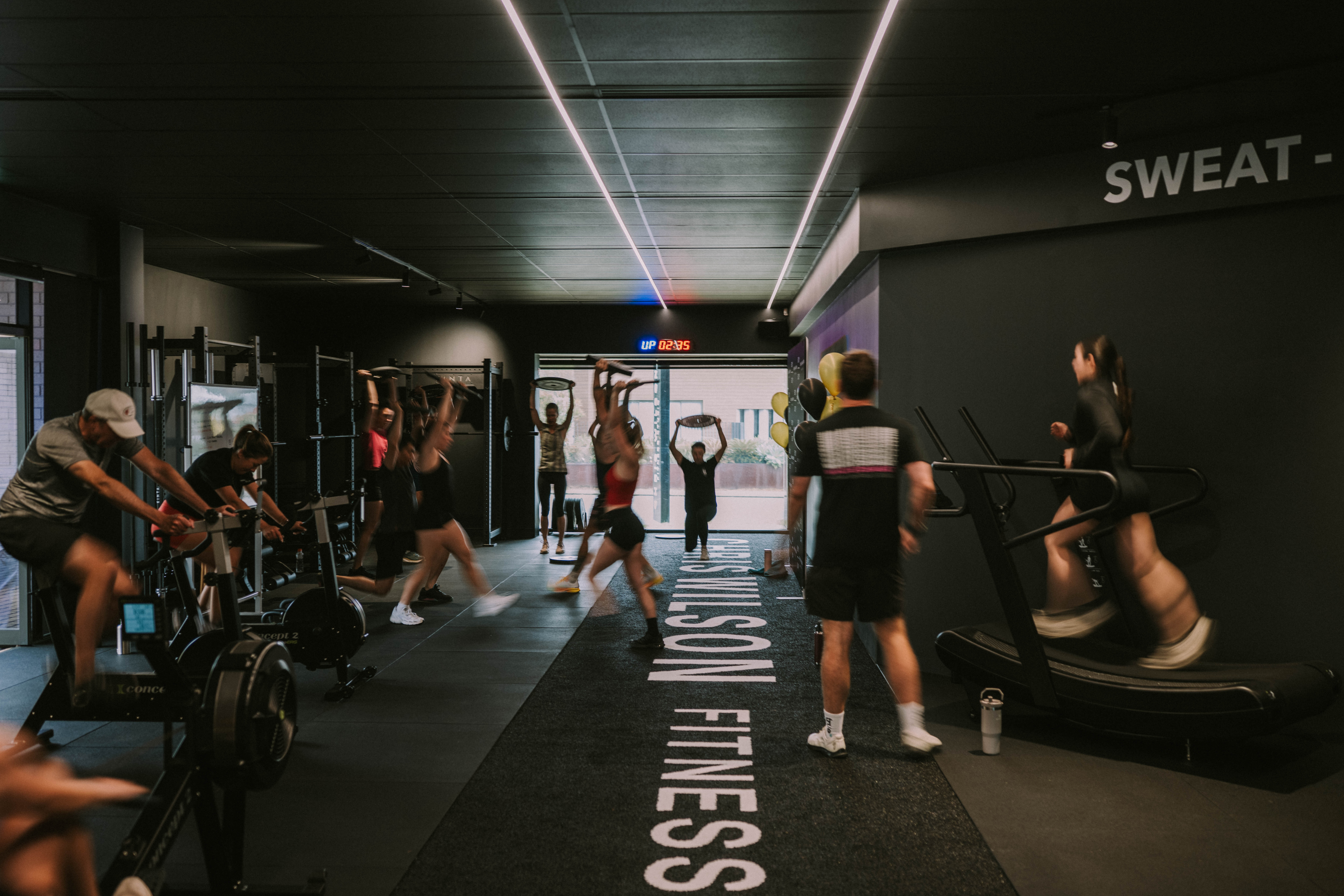
These changes in mindset have driven demand away from large, impersonal gyms and towards more considered, boutique environments where training is efficient, personalised and aligned with real-world demands.
Across Australia there are more than 6,000 gyms and fitness centres, with roughly one-in-six adults holding a gym membership. While participation remains steady, engagement is shifting. Large commercial operators are increasingly competing with boutique models that offer deeper connection, tailored coaching and community - elements that matter to busy professionals.
What industry leaders consistently tell us is that they want precision over volume, results over noise and coaching that respects their time - whether they’re in Perth, interstate or overseas.
Industry leaders value:
• Smaller, capped training environments
• Expert coaches who understand demanding schedules
• Sessions that start and finish on time
• Highly personalised programs aligned to individual goals, travel demands and lifestyle
• Programs built around longevity, not exhaustion
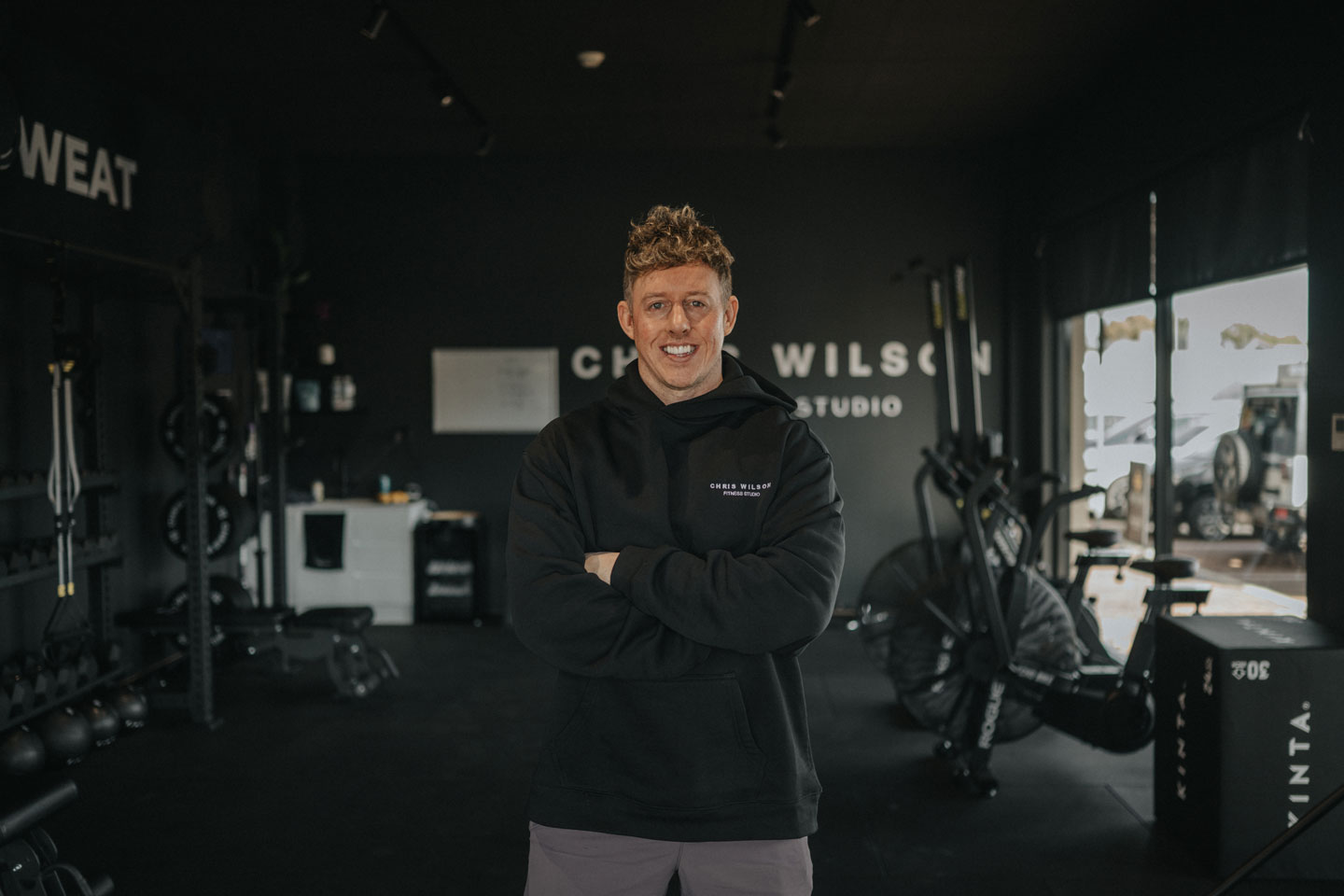
While Chris Wilson Fitness Studio is on track to grow to 10 studios by 2030, our philosophy remains unchanged - protect the boutique experience, maintain quality and design every detail around the client.
Three Ways Leaders Are Approaching Health Differently in 2026
1. Training for Longevity, Not Burnout
High-performing leaders prioritise strength, mobility, cardiovascular health and injury prevention. Sessions are challenging but measured, with the goal of leaving training feeling better - not depleted - so performance improves both inside and outside the workplace.
2. Removing Friction From the Routine
Time is a leader’s most limited resource. The most effective professionals remove friction through clear programming, trusted coaches and training that adapts to workload and travel. When routines are efficient and predictable, they become non-negotiable.
3. Protecting Energy as Much as Time
Modern leadership isn’t just about output - it’s about presence. Leaders understand their energy sets the tone for their teams. Physical training supports mental clarity, stress management and emotional regulation. In 2026, energy is treated as a strategic asset.
A Smarter Model for the Future
The future of fitness for leaders isn’t louder, harder or more extreme. It’s smarter, more personalised and more sustainable.
As Perth continues to grow, so does the need for leaders who can perform at a high level for decades - not just seasons.
Because in 2026, the strongest leaders aren’t doing more - they’re doing things differently.