


Amid the ongoing housing supply crisis, the Western Australian property industry continues to navigate labour shortages, cost pressures, supply chain disruption, utility constraints and increasing complexity in regulatory and approval processes.
Therefore, getting a residential project ‘off the ground’ and navigating the complexities of project delivery from a civil construction perspective is particularly challenging given the range of inputs involved in bringing a project to life.
For those working in, or alongside, the residential development sector, understanding the full lifecycle of a project is of critical importance and ensures individuals are well placed to make informed decisions, communicate effectively with project partners and anticipate challenges before they escalate.
At UDIA WA, we see firsthand that one of the greatest drivers of quality, sustainable project outcomes is a well-informed industry. There is enormous value in broader industry participants having a practical working knowledge of how residential development is delivered.
Development managers, project officers, planning and engineering graduates, consultants, local government staff and utility stakeholders can all benefit from understanding how the civil construction process works in practice.
In many cases, industry professionals are required to make decisions or contribute to projects from a civil construction perspective without necessarily having had formal exposure to that side of the industry. They may understand planning policy, stakeholder engagement, contracts, or approvals, but not necessarily how civil design progresses, what happens during tendering and mobilisation, how site conditions affect delivery, or what is required to achieve completion and handover.
Without that perspective, it can be difficult to assess risks properly, align timeframes, or understand the practical constraints facing others in the project team.
An introduction to civil construction
A stronger understanding of the end-to-end residential construction process can lead to better communication, better problem-solving and ultimately better projects. It helps professionals appreciate how decisions made at the concept or design stage can affect construction delivery months later. It improves collaboration between technical and non-technical stakeholders and creates a more resilient and capable workforce.
This is something our industry needs if we are to keep delivering the homes and communities Western Australians need.
Importantly, understanding civil construction is not just about learning technical terminology. It is about gaining insight into how projects move from concept to completion, what can go wrong along the way, and what needs to happen to keep outcomes on track in terms of time, cost and quality.
UDIA WA Educate’s upcoming Introduction to Civil Construction for Residential Projects course is a fantastic entry into understanding the end-to-end residential development process from a civil construction perspective.
Delivered by experienced industry professionals, it is aimed at people who need to understand how to effectively work with and manage the civil engineering and construction inputs to residential projects, without requiring a technical or engineering background.
What the course involves
The course spans one full day of classroom learning and a half-day site visit, combining structured learning with real-world application.
On the first day, participants are introduced to the key stages involved in the civil engineering and construction process for residential development projects, from planning through to delivery.
This covers the roles of key stakeholders, the fundamentals of civil construction for residential projects, and the principles that underpin successful project outcomes.
The course then takes participants through the major phases of development in a practical and accessible way.
This includes the civil design phase, where participants gain an overview of the process and key stages, along with the fundamentals of scoping and managing consultant inputs. It also includes the pre-construction phase, covering tendering, contract setup, budgets, mobilisation, approvals and clearances for titling, utility and local government requirements, and issues such as managing neighbours, land clearing and environmental considerations.
From there, the course moves into the construction phase, where participants explore project programs, inspections, safety obligations, unexpected ground conditions, delays, contract variations, extensions of time, supply chain pressures, labour shortages and wider risk management considerations.
Finally, the course addresses completion and handover, including practical completion, utility handovers, energisation, title release and defect liability periods.
These are all areas that directly affect the viability and success of residential projects, yet many people working around the sector only encounter them in fragments. Bringing them together in a single learning program helps participants understand not only what happens at each stage, but also why each stage matters.
On site learning
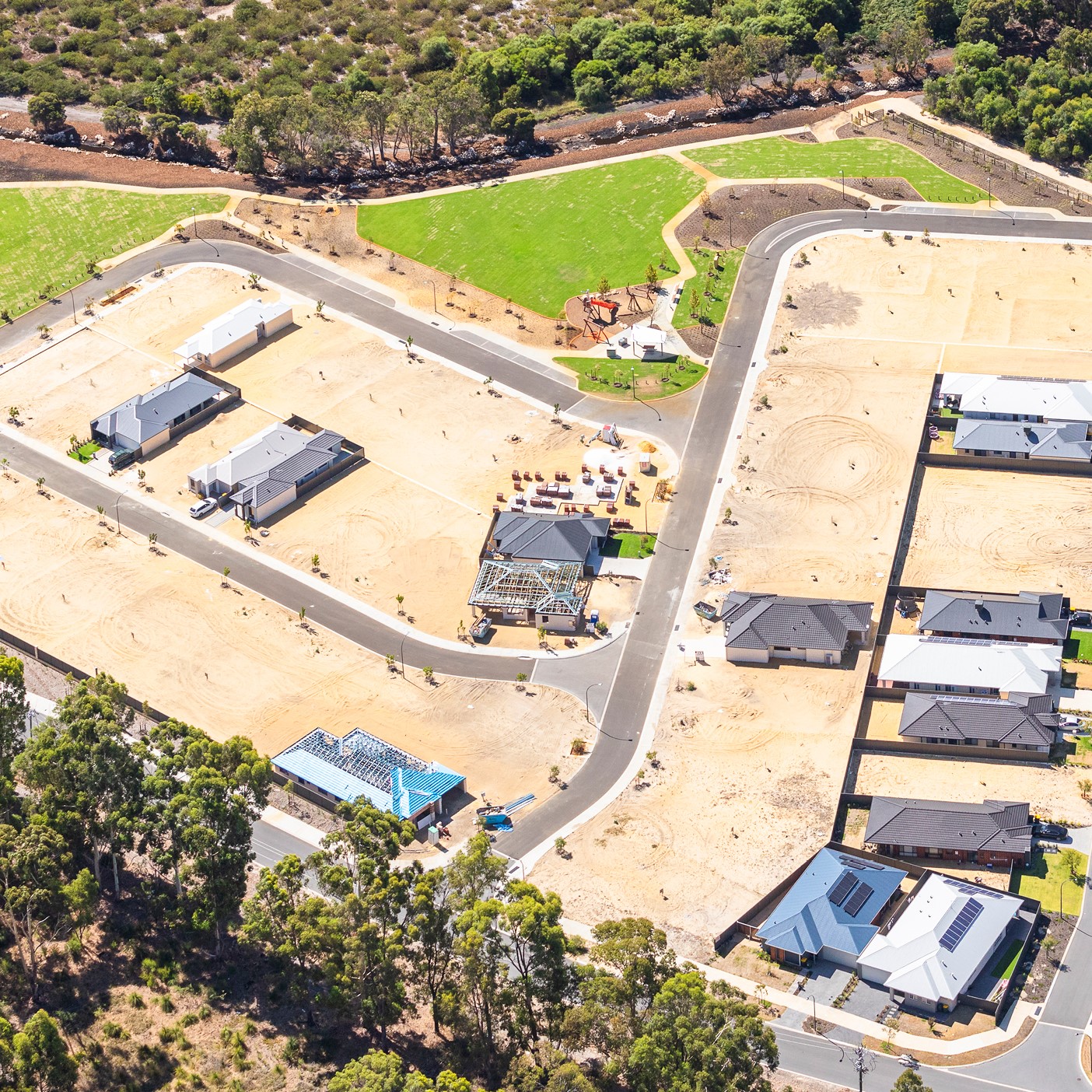
The second day of the course adds another valuable dimension to participant learning, with a guided site visit to the Mundi Estate in Mundijong.
This gives participants the opportunity to see different construction stages in action and hear directly from developers, contractors and service providers, including Western Power and Water Corporation. It is a chance to connect classroom learning with the realities of project delivery on the ground.
That practical exposure is incredibly important and there is really no substitute to seeing a live project, understanding site safety requirements, and hearing from the people responsible for delivering key aspects of the work.
Who should attend
The Introduction to Civil Construction in Residential Projects course is ideal for development managers and project managers, from assistant to senior levels, urban development, planning and engineering graduates, local government or utility stakeholders seeking better industry insight, and anyone wanting a practical understanding of civil construction for residential projects in WA.
In short, it is for people who want to improve the way they work within the development system whether they are new to the sector or looking to broaden their capability.
At a time when our industry must respond to increasing complexity while continuing to deliver housing supply, this type of practical knowledge-building is more important than ever.
Better understanding across the development process supports better business decisions, stronger partnerships and more efficient project delivery.
For those wanting to build that understanding, UDIA WA Educate’s Introduction to Civil Construction for Residential Projects course commences on 3 August 2026.
For more information and to register visit https://www.udiawa.com.au/event/introduction-to-civil-construction/
Thanks to our Industry Education Partner Stockland for supporting UDIA WA Educate.
To find out more about all of UDIA WA’s professional development offerings, visit: https://www.udiawa.com.au/professional-development/