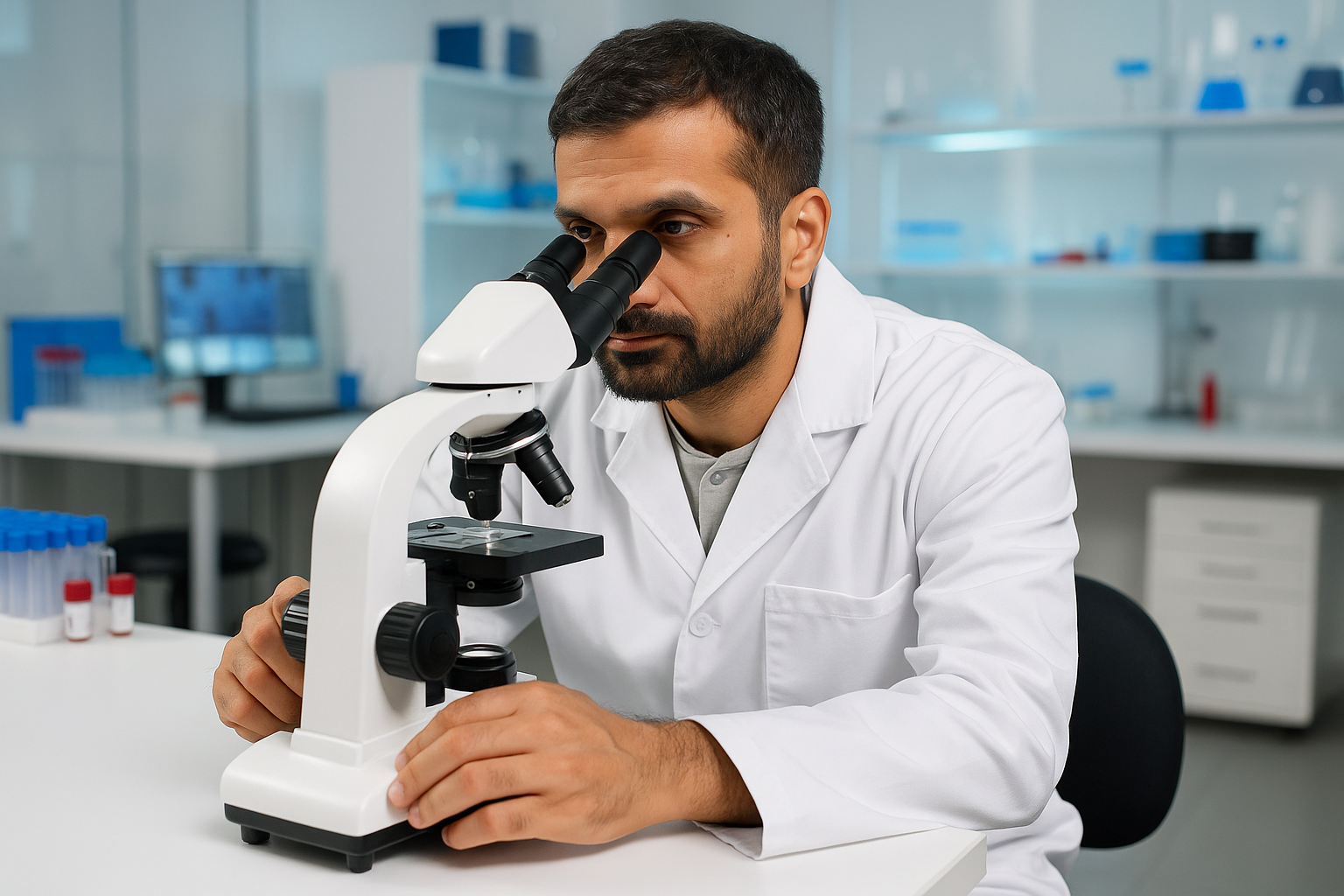
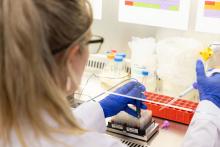
The breakthroughs that change the world do not always make headlines when they happen. Sometimes they begin quietly in small labs, under fluorescent lights, driven by the dedication of researchers who believe that progress is possible even when the disease they are fighting has defeated generations before them.
One of those researchers is Purna Poudel, a physicist and engineer working alongside some of Australia’s most accomplished scientific minds at Alzheimer’s Research Australia. Together, they are closing in on what could become one of the most important diagnostic advances in modern medicine: the ability to detect Alzheimer’s disease long before symptoms appear, not through invasive brain scans or costly procedures, but through something as simple as a routine eye exam.
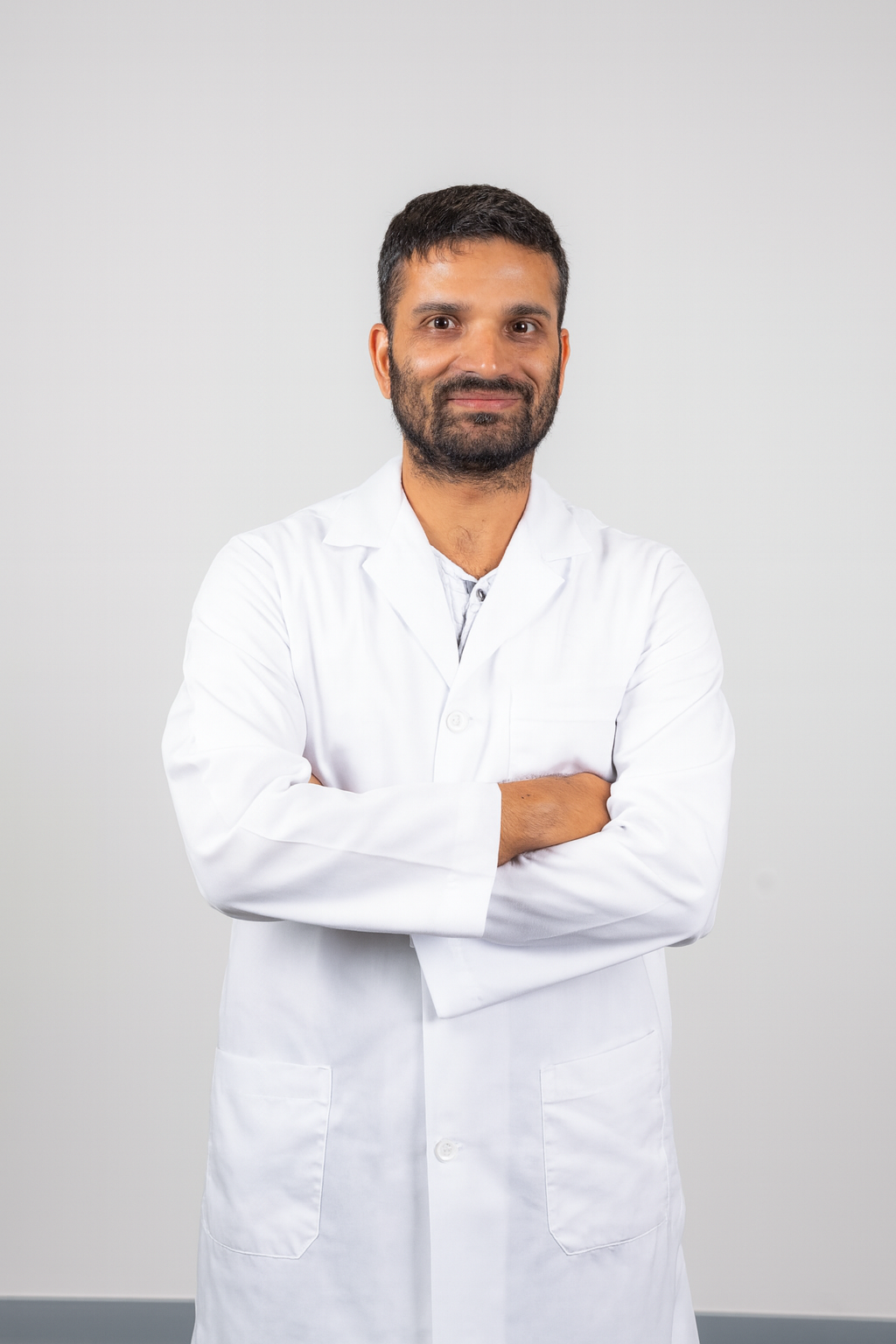
The approach , retinal imaging powered by artificial intelligence which has the potential to shift Alzheimer’s from a disease we react to, to one we detect early enough to intervene.
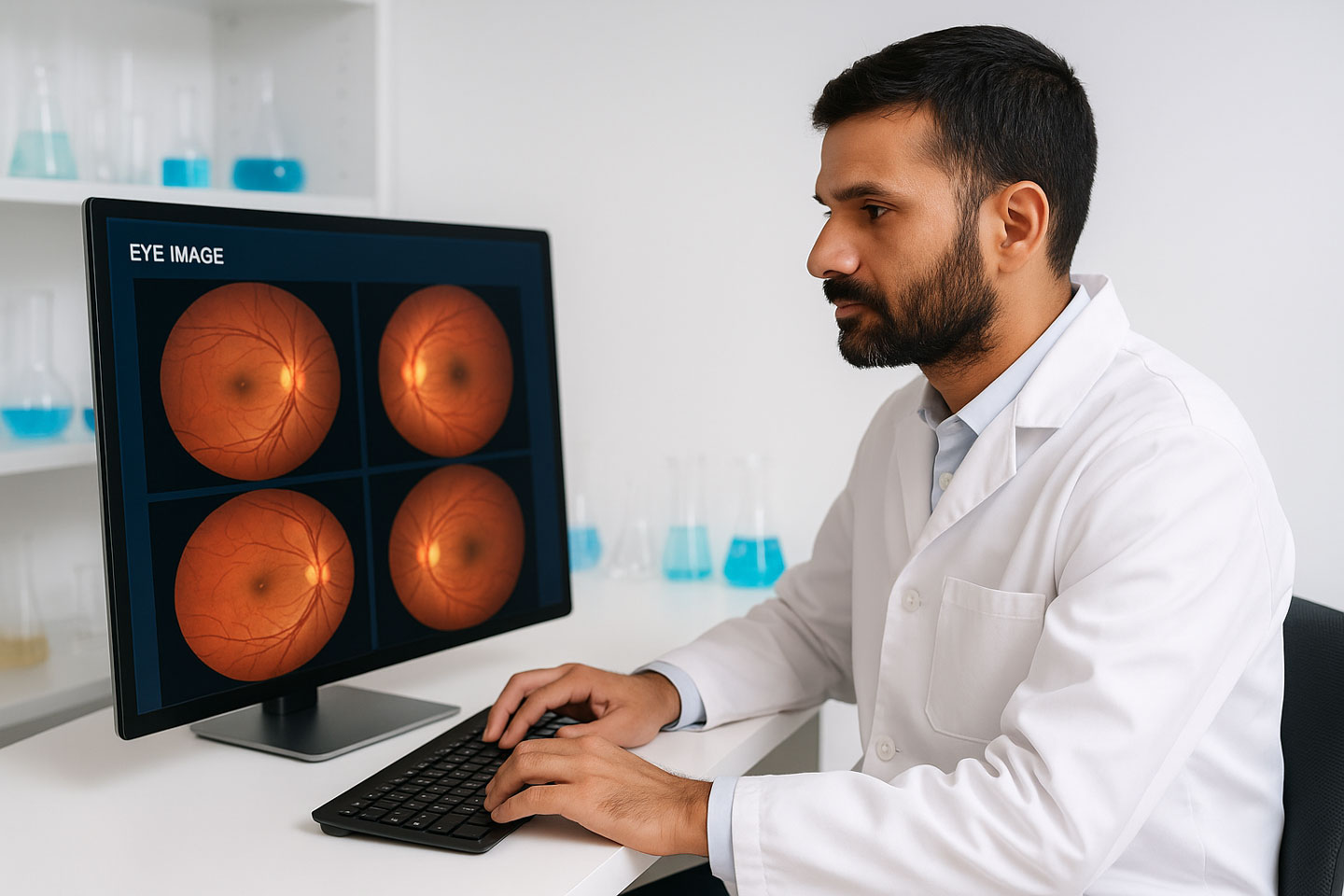
Current diagnostic pathways for Alzheimer’s rely heavily on late-stage indicators and expensive tests, by which point patients and families have already lost precious time. Retinal imaging offers a different future. Because the retina is neurologically linked to the brain, microscopic changes in retinal structure can mirror early Alzheimer’s pathology.
For decades, the barrier was not the science, it was our technological limits. The human eye, even the trained clinical eye, cannot identify those retinal signatures.
Purna has been instrumental in building and training the deep learning algorithms that analyse retinal images alongside brain imaging data, learning to identify the patterns that correlate with Alzheimer’s. The early insights are striking and promising enough that researchers now speak about early detection not as hope, but as expectation.
If successful, retinal imaging could become the first low-cost, non-invasive screening test for Alzheimer’s, widely available through routine optometry appointments and deployable across regional and remote communities via portable equipment which will finally bring both prevention and equitable access into the Alzheimer’s conversation. The most advanced technology cannot produce results without the people who build and refine it. And this is where the future of Alzheimer’s research becomes most fragile.
Purna is weeks away from completing his PhD. His unique expertise is AI, deep learning and image analysis is not easily replaced. If funding is not secured for his postdoctoral work, another institution will claim the skills that are accelerating Australia’s progress.
Behind Purna stands a world-class team of neuroscientists, biochemists and clinicians but AI is the force that now ties the work together. Its growth demands more computing power, more data storage, more specialist hands. Technology has finally begun to outrun Alzheimer’s and funding must now keep pace.
If the team succeeds and they are closer than many realise Alzheimer’s detection could become cheap, accessible and routine. Families could receive answers when time is still on their side. Rural and remote communities too often left behind in healthcare could finally be placed on equal footing.
And so the defining question has changed. It is no longer whether technology can outpace Alzheimer’s; it already has the capacity to do so. Artificial intelligence is identifying what the human eye never could. Retinal imaging is revealing what the brain tried to hide and the science is beginning to unlock answers once thought impossible.
The real question, now, is whether we will allow this progress to continue. Whether we will choose to support the work at the precise time when it matters most when momentum is strong and breakthroughs are close. Whether we will invest in the people and technology capable of transforming the future of Alzheimer’s diagnosis, or allow this opportunity to slip away because the pace of funding could not match the pace of discovery.