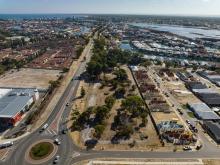
Just over an hour south of Perth, Mandurah is home to a growing population of more than 106,000 people, with steady growth in recent years as more people call the city home. Strong transport links support this growth, with the Mandurah train line providing direct access to Perth, complemented by local bus networks.
New roads and bridges are opening. Community spaces are taking shape. Long‑planned infrastructure isn’t something we talk about for the future. It’s something people are using every day to get to work, access services and spend time in their city.
Property values for the suburb of Mandurah have recorded strong growth, increasing by more than 46% over the past three years in a sign of rising confidence in Mandurah as a place to live and invest.
The city is also strengthening its role as a regional education and training hub, with both a Murdoch University campus and South Metropolitan TAFE supporting local skills development and a future‑ready workforce.
Spanning health, transport, housing and community facilities, these investments reflect a clear approach to growth – one that recognises Mandurah is growing, and that this growth needs to be managed carefully and deliberately.
A city adjusting to scale
As Mandurah grows, the infrastructure we rely on every day matters more than ever.
The Estuary Bridge duplication is a good example. Now complete, it means easier movement to get across town and better connections between neighbourhoods.
Mandurah’s new multi-storey hospital will reshape access to healthcare across the city and the wider Peel region. As Mandurah grows, so does its role as a regional centre. Contemporary health services close to home are something people rarely think about until they need them, but when they’re there, they form part of what makes a city work.
Investing in stability and participation
Not all infrastructure is obvious from the road.
Some of the most important projects are about creating stability, supporting people, and making it easier for individuals, businesses and communities to thrive.
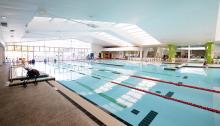
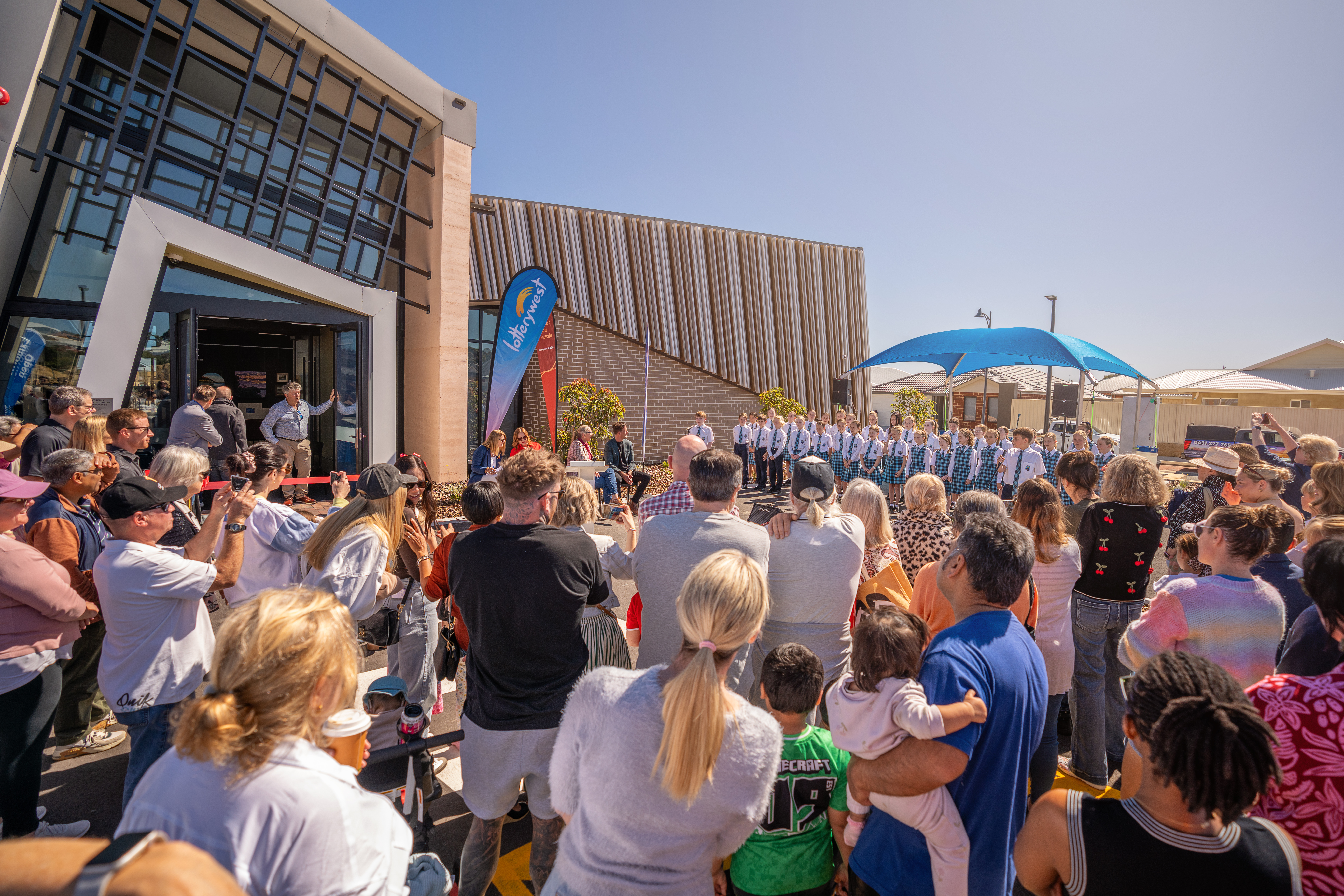
Community facilities such as the Dawesville Community Centre and the proposed Lakelands Youth Park are places designed for people to meet, learn and feel connected to where they live. The Mandurah Netball and Shared Use Facility has attracted more than $20 million of State Government funding, and the expansion of the multi-use courts at the Mandurah Aquatic and Recreation Centre is being funded by the City and State and Federal governments. Over time, these spaces help the community grow stronger and more connected.
Mandurah is also strengthening the foundations for future economic participation. Mandurah’s selection as a location for a Google subsea cable connectivity hub signals the City’s emerging role in digital infrastructure. While much of this infrastructure operates quietly in the background, it has the potential to make Mandurah more attractive to technology‑enabled industries and investment over time.
A waterfront lifestyle that shapes the city
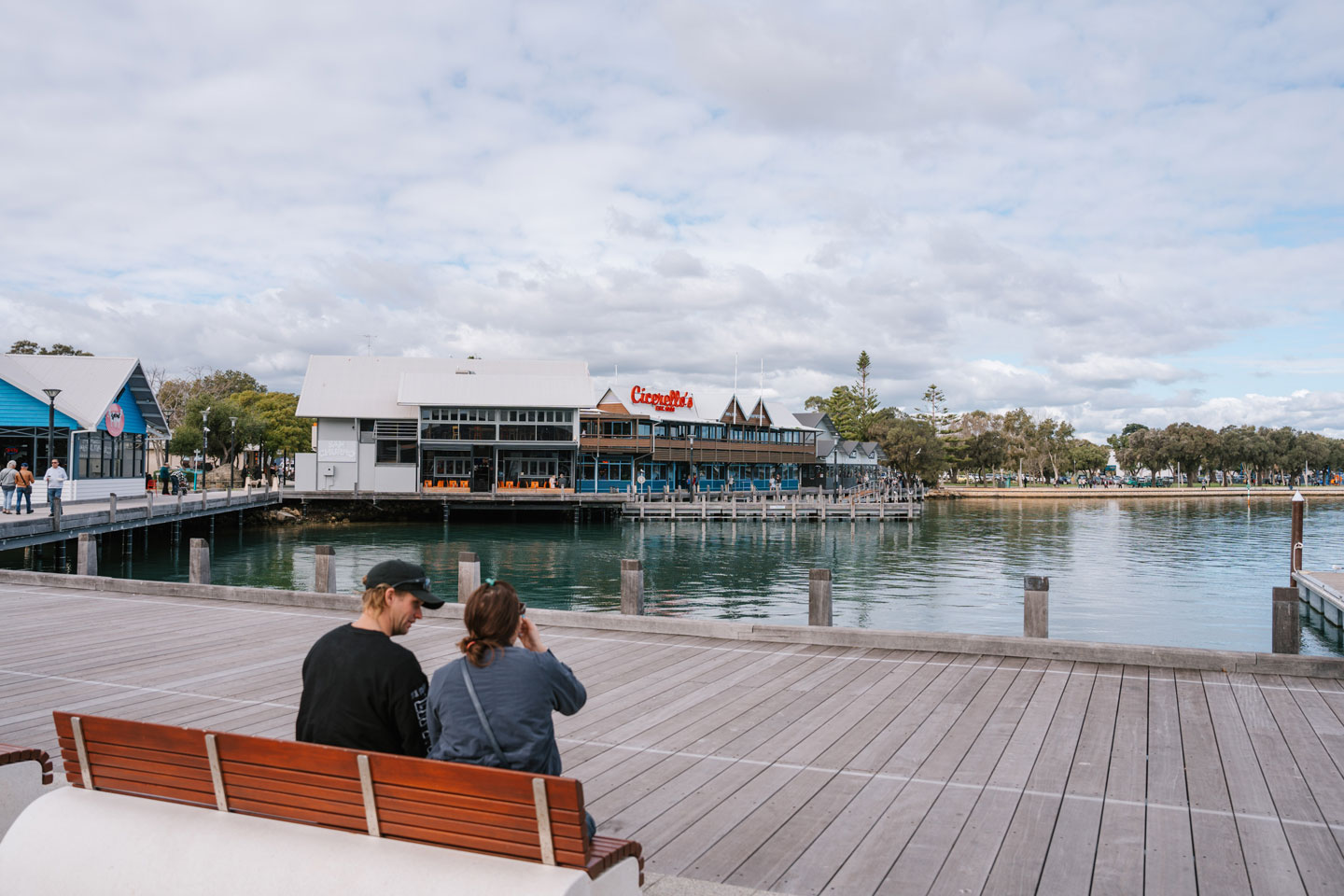
Mandurah’s foreshores have always been central to our city’s identity – not just as a destination, but as part of everyday life. At its heart is the Peel‑Harvey Estuary, about twice the size of Sydney Harbour.
Recent investment is strengthening that role, improving how people use and enjoy the waterfront while also supporting the local economy. Upgrades to the Coodanup Foreshore have improved access and amenity, creating more welcoming spaces for walking, gathering and spending time by the water. These changes shape how people experience the city and how connected they feel to it.
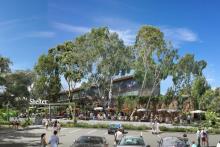
Along the Western Foreshore, a proposed $25 million private development including a mini golf course, restaurant and micro-brewery and a chocolate factory is the largest private investment in Mandurah’s city centre in decades. While further approvals are needed and community consultation is still ongoing, it represents an important moment as part of a broader effort to revitalise and activate the heart of the city.
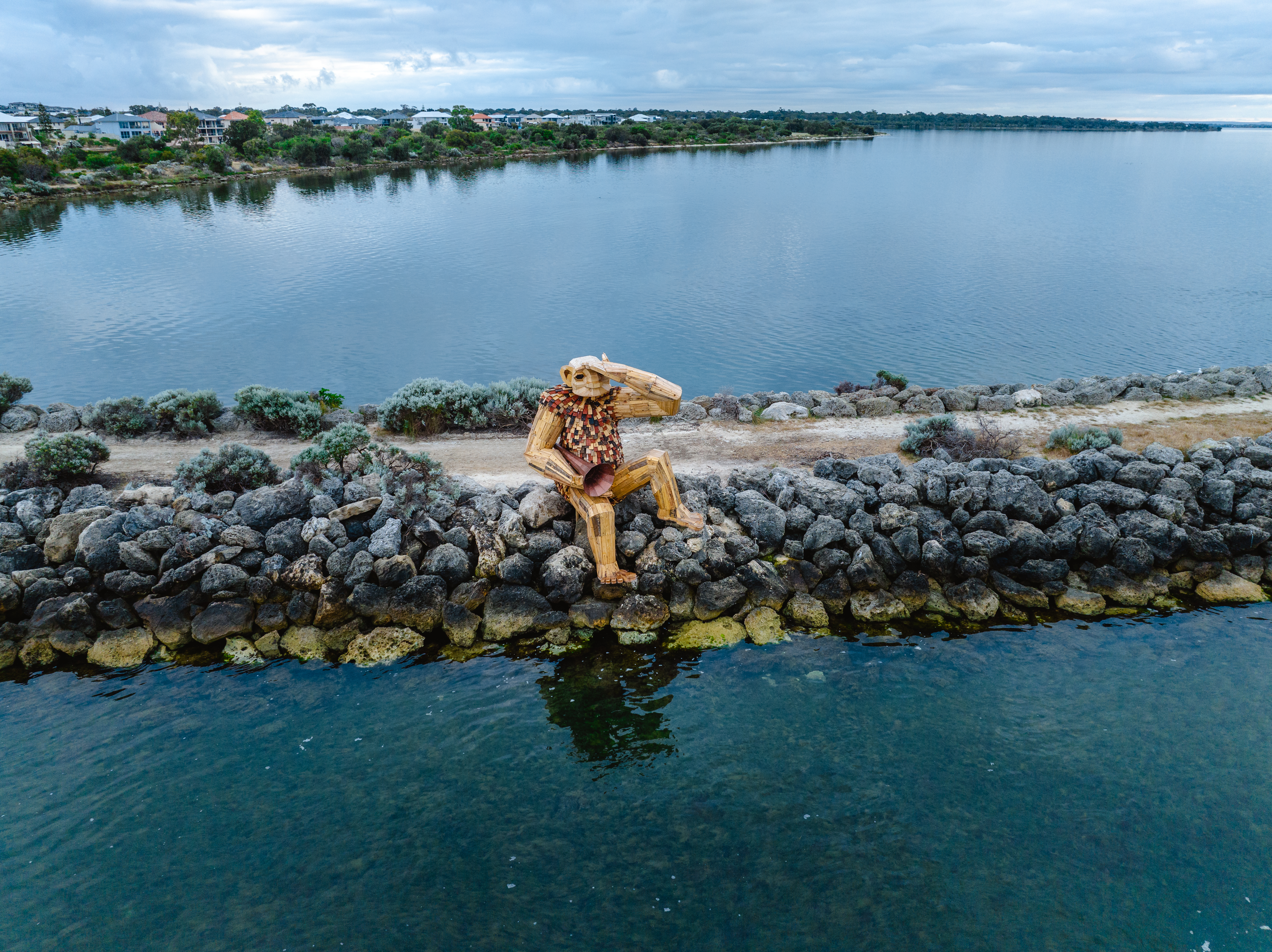
Mandurah remains the ideal lifestyle and tourist destination and is now known as the home of the Giants, which attracted approximately half a million visitors and $81 million in direct economic impact in its first year.
This focus on the waterfront reflects something deeper about Mandurah. Our waterways, outdoor culture and strong events calendar support local businesses, attract visitors and shape daily life for residents.
As work patterns change and people gain more flexibility in where they live, Mandurah is increasingly recognised as a place to settle, work and build a future.
Looking ahead
Mandurah’s growth hasn’t happened by chance. It has been shaped through considered investment, delivered over time, responding to the needs of a changing city.
The result is a city that continues to grow with confidence. For developers and investors considering their next opportunity, whether it’s establishing or expanding, Mandurah is worth a closer look. We welcome conversations about how the City can work alongside partners to help bring projects to life in a growing, well‑connected regional city.


 By Mayor Amber Kearns - City of Mandurah