Ground-breaking research sits at the core of the Harry Perkins Institute of Medical Research which has reported a series of notable scientific advances. Now transitioning those discoveries into life-saving treatments for patients is one of the next big missions facing researchers in WA.
Recent Perkins breakthroughs include honeybee venom inducing cancer cell death in hard-to-treat triple-negative breast cancer and ovarian cancer; and discovering that administering anti-cancer drugs at a hundred-fold lower dose than standard protocols can improve a cancer tumour’s response to immunotherapy. Current work to develop a blood test to assess liver disease severity in people living with cystic fibrosis and isolating unique chemical compounds in sea sponges with significant cancer-fighting properties to treat liver cancer shows the scope of innovation that keeps Perth’s biomedical sector ticking.
But taking the research from lab-based discovery through to clinical trials and on to market-ready drugs or treatments takes a lot of capital, a lot of patience – and what may appear to be an overnight success typically reflects 15 years or more of sustained scientific effort.
The Perkins, the Perron Institute and the Lions Eye Institute have collaborated to set up an organisation called the Health Translation Group (HTG).
HTG’s purpose is to work with researchers to identify projects to support, develop and raise capital for them, including from HTG’s own funds. HTG helps to bridge the expertise gap that researchers don’t usually have in their skill set to get their life-altering breakthroughs to patients.
HTG CEO, Dr James Williams said that translation of research is time consuming, expensive and has no guarantee of success.
“From preclinical data, proving that it works in an animal model, to commencement of first in human studies, research is a process that can take between 18 months to more than three years, and cost several million dollars,” he said.
“And then the subsequent human trials are indication-dependent, with phase one trials typically taking less than a year, usually in healthy volunteers; phase two trials are tens to low hundreds of patients; and then phase three trials can be several thousand patients for some major indications.
“And this takes time - phase two might take a year or two, phase three might take two to five years. For example, the Dimerix (a Perkins spin-out) trial for DMX-200, being tested in a rare kidney disease is in its fourth year of its phase three trial and has cost upwards of $60 million.
“Phase two trials are when you first get involved with patients with the disease and you are trying to get a first look at what the response and dose looks like, and that informs the designer of the phase three trial, which is the one that proves that it works. Again, depending on the drug, you might require two separate phase three trials to get an approval.
“The use of surrogate endpoints (an indicator or sign used in place of clinical end points such as kidney failure or heart attacks to tell if a treatment works) in clinical trials may allow earlier approval of new drugs to some rare or life-threatening diseases. For smaller trials, you are talking maybe $50 million, but for a big disease such as a large cancer, cardiovascular disease or diabetic kidney disease, it could cost more than half a billion dollars over five years to run the trial.”
There have been recent success stories at the Perkins.
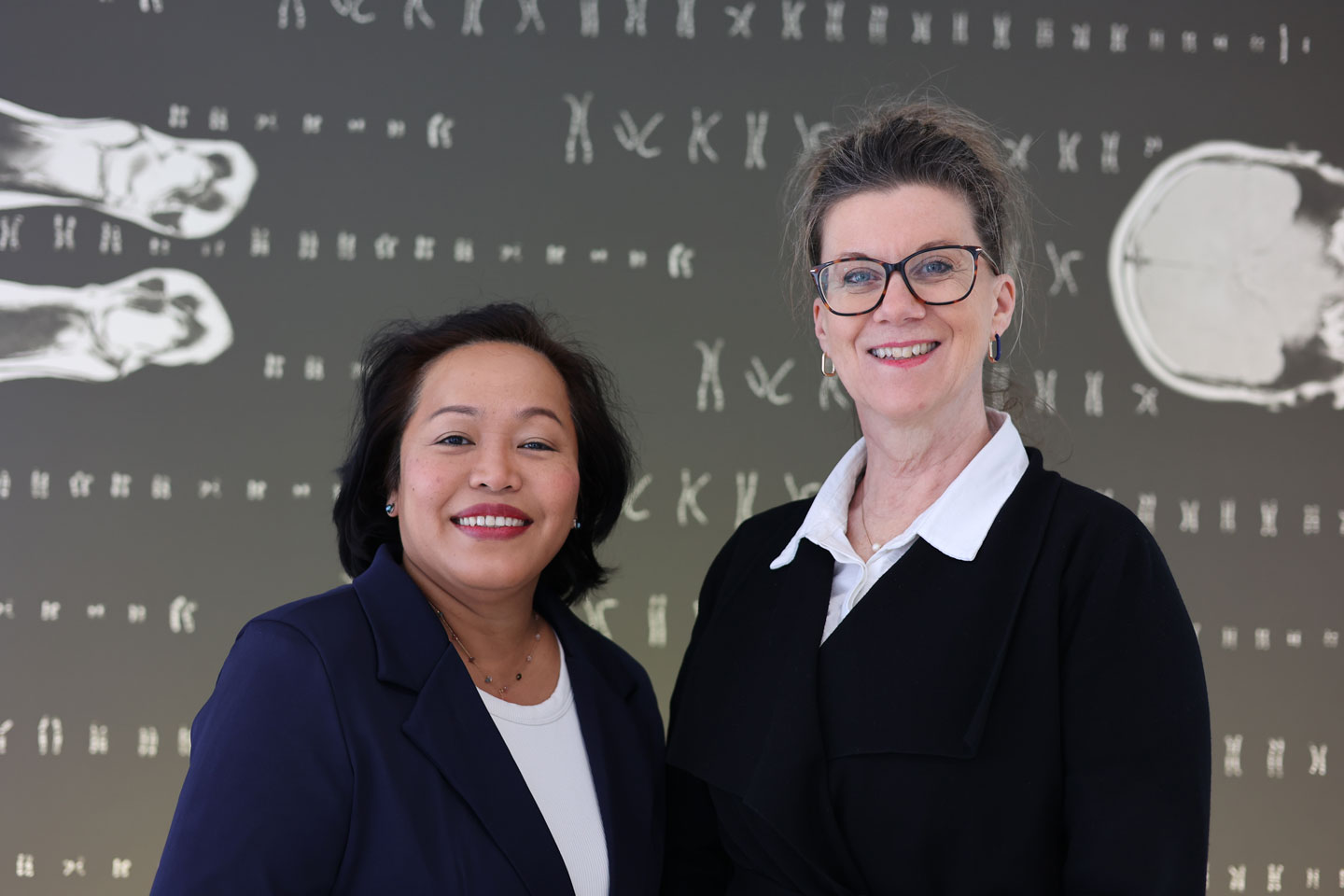
In June Atherid Therapeutics Pty Ltd, a new company founded by Perkins researchers, Associate Professor Juliana Hamzah and Professor Shirley Jansen with support from HTG, received an initial $750,000 in Medical Research Future Fund (MRFF) funding through the Targeted Translation Research Accelerator (TTRA) Drugs and Devices program delivered by MTP Connect.
Despite its potential to be a groundbreaking treatment, it has taken Juliana and Shirley 10 years to reach the stage where they are ready to move towards human trials.
The total estimated costs for the next stages of Good Manufacturing Practice production, toxicology and for initial human clinical trials is around $15 million.
Another significant project is the Cytophenix story, which started in 2014 in the labs of the Perkins and UWA.
“The project has benefited from more than $10M in grant funding allowing the solution to be refined, tested, and creating a powerful solution to an urgent global problem”, said Perkins researcher and Cytophenix CEO, Dr Kieran Mulroney.
“We know that when patients get the right antibiotic, at the right time, 80 per cent of poor outcomes are avoidable. That means saving lives and avoiding limb amputations.
“Currently, doctors have to wait too long for results and poor patient outcomes are seen too often.
“So that is the reason I am driven to develop our AI-enabled rapid test which is the solution that is needed, and with the Cytophenix team we are progressing well towards bringing this solution to market in the next three or four years, with support from investors and partners, having started the company in 2023.
“Our solution also helps manage the global crisis of antimicrobial resistance and ease the pressure on hospital beds."
Only 16 drugs originating in Australian research institutes have been approved by the US Food and Drug Administration – the initial target of all new therapies to the size of the market. Seven of those came from WA - proving that the health and vitality of our biomedical sector is ripe for investment.


 By Harry Perkins Institute of Medical Research