Across Western Australia, children growing up in regional and remote communities continue to face some of the nation’s steepest barriers to health care, education and disability support. Geographic isolation, workforce shortages and fragmented service delivery often mean families wait longer, travel further and receive fewer resources, frequently during the most formative years of a child’s development.
While national conversations around Closing the Gap often centre on policy reform and funding commitments, one of the most decisive yet less discussed factors in achieving meaningful progress is how support is delivered at a local level.
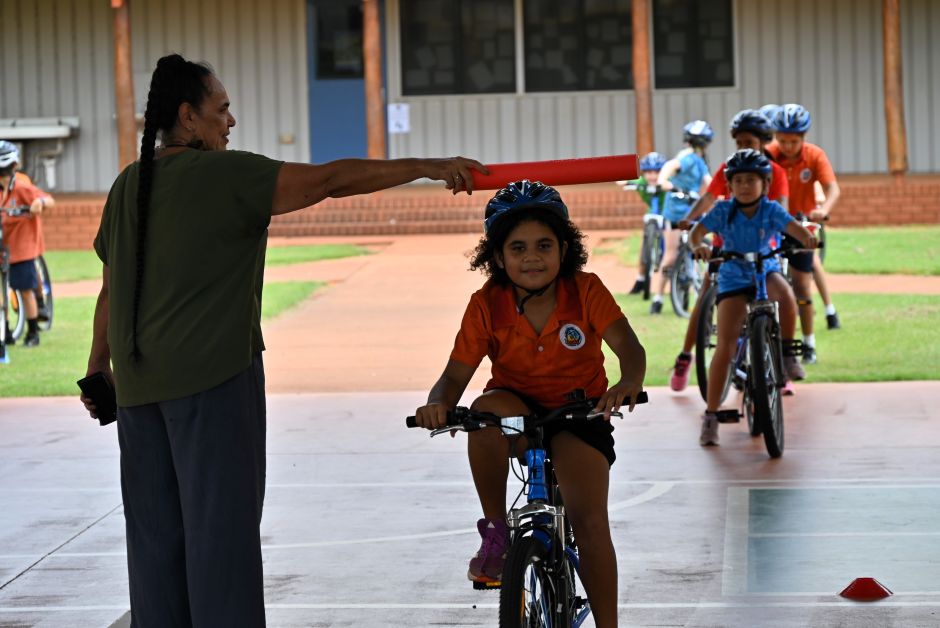
Variety WA is among a small group of children’s charities in Western Australia that maintains permanent, on-the-ground roles within regional communities, including the Kimberley, Geraldton and the Mid-West. This place-based model allows the organisation to respond directly to local needs, deliver culturally informed assistance and reduce delays that commonly arise when services are coordinated from metropolitan centres.
In the nine months to June 2025, Variety WA supported 13,122 children across the state, with more than 4,500 living in regional and remote areas. The Kimberley alone recorded 554 children assisted, while 2,278 children received support across the Mid-West and Geraldton. Additional support extended throughout the Wheatbelt, Goldfields–Esperance and the Gascoyne.
Variety WA Chief Executive Officer Chris Chatterton said sustained regional presence was fundamental to creating long-term impact.
“Closing the Gap is not achieved from a desk in the city,” Mr Chatterton said. “It happens when you have people embedded in communities who understand the families, the schools and the local service networks. That proximity enables faster responses, better coordination and ultimately stronger outcomes for children.”
A significant share of the organisation’s regional activity is delivered through targeted grants to individuals, schools and community organisations. These grants remove practical barriers that can prevent children from fully participating in education, health services and everyday life from specialised mobility equipment and therapy aids to learning resources and community-based supports.
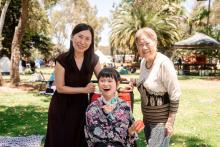
In one regional town, a child living with disability received specialised mobility equipment through a Variety WA grant, enabling greater independence at home and improved participation at school and within the broader community. Early interventions of this nature can alter developmental pathways, ease pressure on families and prevent small challenges from escalating into long-term disadvantages.
For Jan Ajduk, Regional Coordinator in the Mid-West, continuity of presence is the difference between funding being distributed and outcomes being achieved.
“After more than a decade in the Mid-West, you start to see recurring patterns in the barriers families face,” Ms Ajduk said. “The advantage of being based here is that you know the schools, the service providers and the families personally. That local understanding allows support to be delivered quickly and appropriately and that’s where the real impact occurs.”
“In many remote areas, trust must come before assistance,” said Trudi Ridge, an Aboriginal Traditional Owner and Variety WA’s Regional Engagement Officer in the Kimberley. “When families feel respected and understood, they are far more likely to engage early. Early engagement means support can be shaped around the child and family, rather than imposed externally.”
Demand for assistance continues to rise. In 2025 alone, Variety WA received more than $3.7 million in requests for support and delivered over $1.5 million in direct assistance , making it a clear indicator of the growing need across regional and remote Western Australia.
For Mr Chatterton, the organisation’s focus remains straightforward. “Every child in Western Australia deserves the opportunity to thrive, regardless of postcode,” he said. “Embedding our team in regional communities including Geraldton and the Mid-West is how we convert intention into measurable outcomes.”
Variety WA’s experience highlights a practical truth, closing the gap is not solely determined by the size of investment, but by proximity, cultural understanding and the ability to deliver support where it is needed most on the ground.