Chevron, Shell and BP have warned new taxes will discourage investment in Australia, ahead of a senate committee into Australia’s gas tax regime.
In submissions published this week, the three energy multinationals were among those who claimed additional tax burden would stymie investment and harm Australia’s energy supply.
The Australian government has appeared to soften on the prospect of new taxes for gas producers in recent months, with a Greens-led push appearing to gain traction with Labor MPs.
The suggested has prompted angry rebukes from the nation’s gas lobby, while supporters say a 25 per cent tax on LNG revenues could add as much as $17 billion to the budget’s bottom line.
Executives from Santos, Woodside, Chevron, ConocoPhillips and Inpex have been asked to give evidence at the inquiry, which will run three hearings this month.
Some, but not all, have had their submissions to the inquiry published for public reading.
In her response Chevron’s general manager of finance Maggie McCourt warned that a tax on gas would have flow-on effects for the entire economy.
“Introducing additional tax on gas exports risks undermining Australia’s competitiveness for future investment, not just in gas but across all foreign investment including technology, infrastructure and health, as Australia is increasingly seen to be a place of tax uncertainty,” she said.
“Lower investment could jeopardise reliability of domestic energy supplies and the energy security of our trading partners – both critical enablers to economic activity.”
Chevron pointed out that any additional change would come on top of 2024 reforms to the Petroleum Resource Rent Tax, where a loophole allowing LNG producers to claim uncapped investment in their projects as a tax offset was closed.
Meg O’Neill-led BP said while a tax on LNG revenue could significantly increase total government revenue, but it would also reduce output.
“However, it would also reduce returns to well below hurdle rates and likely make future gas projects for bp uneconomic, and that incremental government revenue would never be realised,” it wrote.
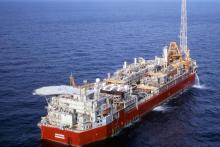
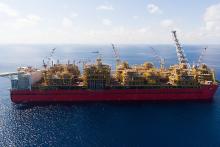
Crux operator Shell Australia said it had invested $60 billion in Australia and was concerned new government taxation policy would push away new investment to the detriment of the nation’s status as a reliable energy producer for Asia.
“There has never been a more important time to consider the economic future of our nation, and the role of energy policy as a key pillar of national strategic importance,” Shell’s Australian country chair Cecile Wake wrote.
The view of producers was backed by industry groups and the Chamber of Commerce and Industry of Western Australia.
But the Institute for Energy Economics and Financial Analysis warned that industry arguments would need to be taken critically.
“The current system does not appear to be working, and prices are expected to be elevated for the foreseeable future,” it wrote.
“The Australian government has overwhelming public support for a new tax on LNG exports, which in part likely reflects growing awareness of the adverse economic impacts of high oil and gas prices.
“With Australian LNG exporters set to earn windfall profits for the second time in five years, the broader public is increasingly questioning the value to them.”
The stakes of the inquiry appear high.
Chaired by Australian Greens senator Steph Hodgins-May, the Select Committee on the Taxation of Gas Resources will report back to the government on May 7 – five days before the 2026-27 Federal Budget is released.
Ms Hodgins-May is joined on the committee by deputy chair and WA Labor senator Varun Ghosh and his Labor colleague Lisa Darmanin.
Senator Susan McDonald represents the Liberal National Party of Queensland and WA Liberal senator Dean Smith is also on the committee.
Outspoken Rugby Union star turned independent senator David Pocock is also on the committee.
The committee will conduct public hearings in Canberra on April 21 and 22, before a trip to Perth on April 24.