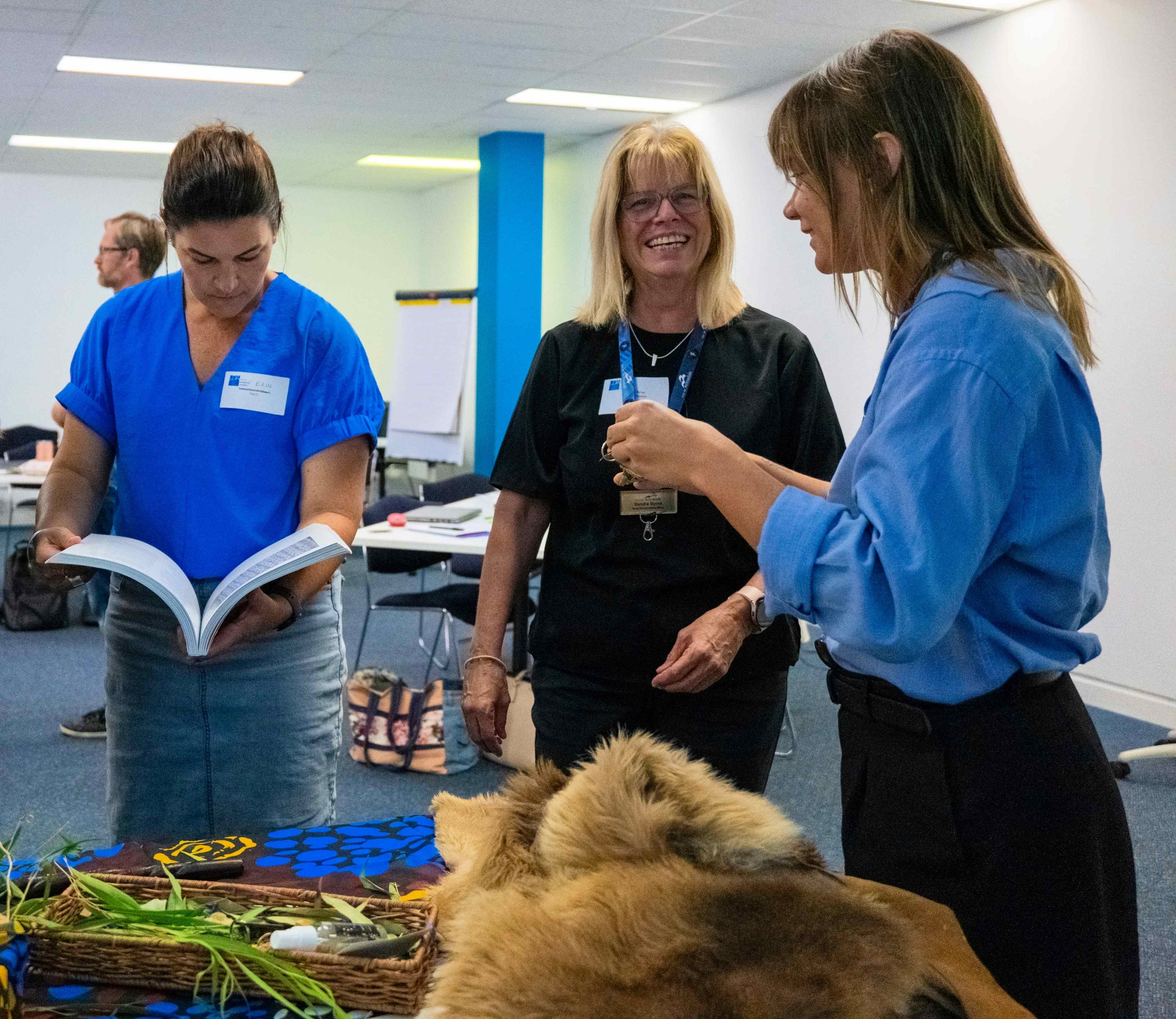
Following amendments to the Aboriginal Heritage Act 1972 that came into effect on 15 November 2023, UDIA WA Educate is providing the opportunity for property development industry stakeholders to make sure they are clear on their obligations under the Act.
Put simply, under the Legislation, all landowners have an important obligation to not knowingly damage an Aboriginal cultural heritage site, which has been the law since 1972.
Our popular professional development course – Working with WA’s Aboriginal Heritage Legislation – is presented by a mix of State Government and private industry experts who provide a comprehensive overview, not just of landowner / proponent requirements, but opportunities to meaningfully recognise and reflect Aboriginal Heritage in planning and development practice.
UDIA WA’s commitment to reconciliation
The importance of meaningful engagement with the Traditional Owners and Custodians of the land on which we operate, is a cornerstone of UDIA WA’s Reconciliation Action Plan (RAP) and UDIA WA recognises our important role in leading the wider industry by setting an example, along with providing engagement and educational opportunities for our members to learn more about reconciliation and authentic Aboriginal Engagement.
Our members operate in metropolitan and regional areas and work in all aspects of urban development including land, built form and infrastructure across residential, commercial and mixed uses. That is why this course is an important opportunity for the Institute to share knowledge and understanding around industry obligations and best practice in this space.
The opening sessions of UDIA WA’s Working with WA’s Aboriginal Heritage Legislation one day course are presented by proud Noongar Yamatji Yorga (woman) and highly experienced Executive Cultural Navigation Consultant Sharon Wood-Kenney.
Following an Acknowledgement of Country Together cultural immersion experience, Sharon takes participants through how to navigate the right process for identification of native title parties and other Aboriginal people who have knowledge and rights in relation to an Aboriginal site.
Sharon then shares her knowledge on when and how best to engage and consult in a respectful, culturally sensitive and effective way, in turn leaving behind a positive footprint.
Importantly, Sharon provides case studies during her presentation that showcase best practice engagement and consultation so that participants can go back to their organisations and implement best practice in their own projects and interactions.
Legislation in detail with DPLH
Following the opening sessions, Department of Planning, Lands & Heritage representatives unpack the legislative and policy framework in greater detail, including key changes to the Act; considerations for landowners and proponents; different types of approvals; and the role of the Aboriginal Heritage Committee.
Importantly the DPLH sessions also step attendees through the process for assessing and managing the risk of harm to Aboriginal Heritage from urban development activities, including effectively identifying sites, determining if a site may be present and assessing potential harm. Participants are then taken through how to apply for Section 16 and 18 approvals in detail.
Afternoon sessions of the course look at areas such as legal liability for proponents, the importance and purpose of Aboriginal Heritage surveys, assessments and management as well as how the Act interfaces with other key legislation such as Environmental Protection and other planning approvals processes.
Cultural context and placemaking
There is also a comprehensive session on the opportunities to recognise and reflect Aboriginal Heritage in planning and development projects, including the importance of creating a place narrative through the cultural context processes; and heritage responsive design considerations through engagement with Traditional Owners.
There is certainly a lot covered in this one day course, and it is a great introduction for those seeking to ensure they clearly understand their obligations under current legislation, as well as those looking to widen their understanding of best practice in engagement and reflecting important cultural heritage and history within the design and planning of urban places.
Course presenters include Sharon Wood Kenney; Ben Harvey and Aiden Ash from DPLH; Lucy Shea (Clayton Utz); Marc Beattie (Urbis); Dr Myles Mitchell; and Jason Hick (Emerge Associates).
Thanks to our UDIA WA Educate Partner Stockland for supporting this and all our professional development courses that are aimed at capability building and upskilling in the urban development industry.
To find our more about this course: https://www.udiawa.com.au/event/udia-wa-working-with-was-aboriginal-heritage-legislation-1-day-course/
Explore all UDIA WA Educate has to offer: https://www.udiawa.com.au/professional-development/
We currently have EOFY deals available, with up to 50% off eligible courses, so get in quick and register before COB 4 May 2026 to make those most of those discounts*.
*Terms & Conditions Apply






 07 Jul 2026
 17 Jun 2026
 11 Jun 2026