

Opinion: Improvement to WA unis overdue



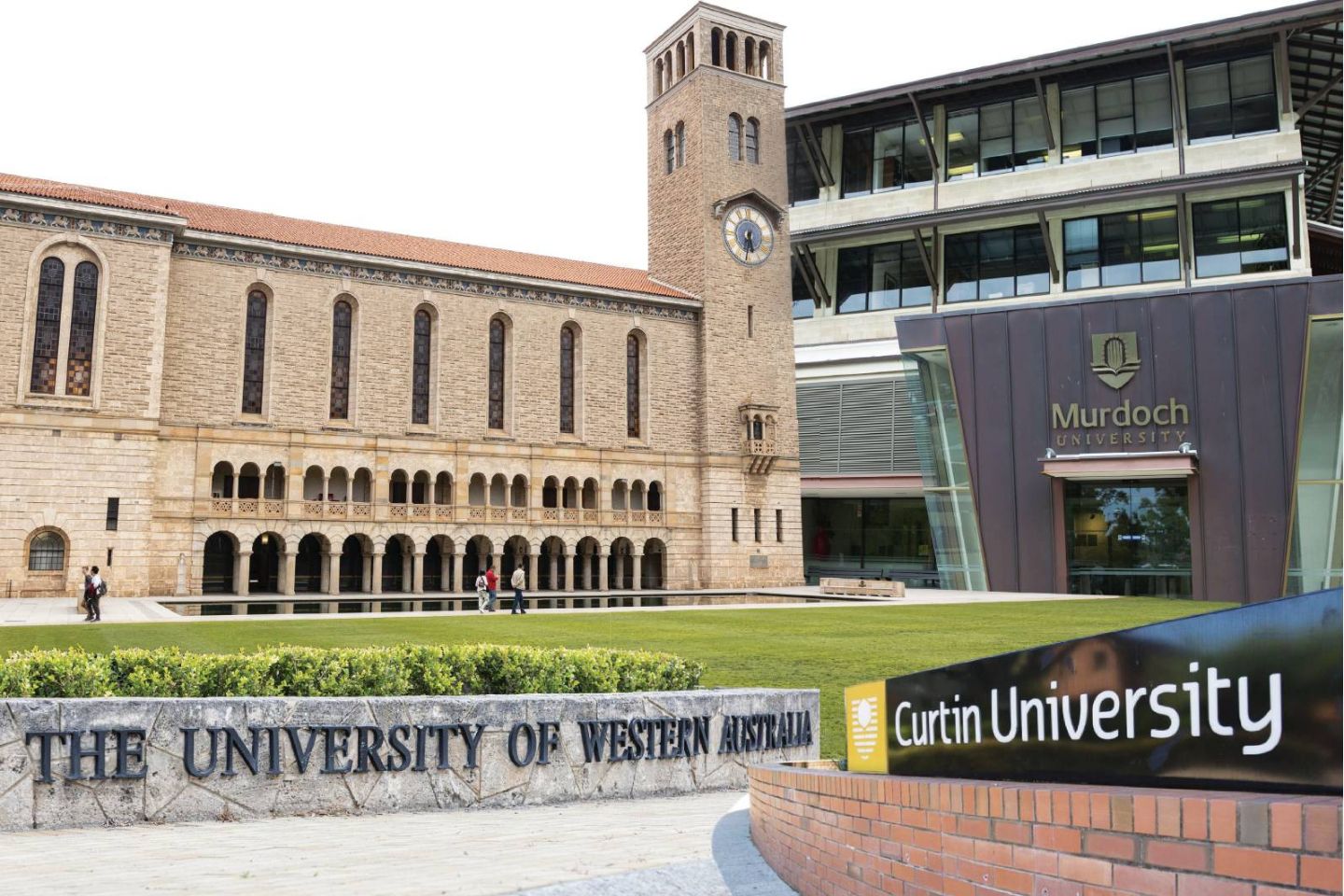
I would like to congratulate Education Minister Tony Buti and the state government for their important work in continuing to progress towards an amalgamation of three of the state’s public universities.
In an era where we have become accustomed to governments having their main focus on the next opinion poll or the next election, it is refreshing to see a government having the courage to progress a major initiative that will have benefits for the state over the rest of the 21st century, well beyond their current term of office.
A major initiative to improve the university system in Western Australia is long overdue.
For too long now the existing universities have been Perth-centric and focused on competing with the university across the river or the university down the road.
The state government has clearly identified the importance of having a very high performing state university with the resources to support and drive the development and diversification of the State’s economy in the 21st century.
The new university can contribute key research, support the development of new industries, support social and cultural initiatives, support new healthcare initiatives, develop a highly skilled workforce and provide leadership for the community and the economy.
WA needs a major state university that is looking outward to compete with and collaborate with the top universities on the east coast, and around the world.
The state needs a top-ranking university that can compete to recruit the top academic talent, the very best international students and win major national and international research funding.
A university that can collaborate on an equal footing with the top universities around the world, to undertake major research and social initiatives to address problems that the
World faces, for the benefit of Western Australians and humanity as a whole.
The current institutions are not at that level.
WA has many of the resources required to be a major 21st century economy but it critically needs the high-level human resources that can drive entrepreneurship and provide the leadership necessary to progress the state.
Too many of the state’s best and brightest are lost to east coast universities and overseas economies.
To fulfil its potential, WA needs to retain its best and brightest and recruit the best and brightest from elsewhere.
Having a high-ranking state university is critical to that process and amalgamation is an important first step.
Predictably, we have seen a number of self-interested parties raising objections to this initiative.
It is important that the government stays the course and that is has strong support from the business sector.
We know there are areas of significant concern that have been evident for a number of years.
These have again been highlighted again in the recent University Feasibility Study report.
Domestic student enrolments are falling (6.2 per cent decline since 2021).
Four of the top eastern states universities each received more international student income than the WA universities combined.
There is also a perception that the standard of international students recruited is not as strong.
Student completion rates are low, with only one of every two commencing students at Murdoch University actually graduating in a timely manner, and the performance of Curtin University being only slightly better.
The universities are not effectively supporting regional WA.
Although 21 per cent of Western Australians live in regional or remote areas, only 12 per cent of domestic university students come from those areas.
Research competitiveness is also relatively poor and declining.
Five of the top eastern states universities each received more research income than the WA universities combined.
WA’s share of Australian Research Council funding is low relative the share of population and continues to decline.
A similar decline is also apparent in Higher Degree research student numbers, with enrolments declining from 4.6 per cent in 2021 to 3.8 per cent of total enrolments in 2024.
These students and staff appointed on research grants are critical to driving research success.
Across the four main university ranking systems, the status of the three universities has either remained static or declined.
The only exception being a modest improvement on the QS ranking by Murdoch University.
The University of Western Australia is only ranked in the top 100 universities on one ranking system.
These are not indicators of success or even of a slowdown in the long-term decline.
A step change is required to enable WA to keep and acquire top talent.
Thankfully the government is showing the courage to take that step.
Over the last 10 years, the existing universities have faced financial challenges and completed reorganisations primarily focused on centralising financial control within the university hierarchy.
This has negatively impacted the academic culture and the student experience.
The legislative changes required to establish the new state university can help to ensure that it has a School and Department structure that is more aligned to student needs and supporting the student experience than the current institutions.
The streamlining of three university management hierarchies into one can liberate financial savings that can be redirected to support teaching and research.
A new structure can retain the current campus identities and ensure that each of the campuses is associated with key areas of expertise, whilst improving linkages and collaborations across the campuses.
The new structure should be about enhancing areas of strength.
The government’s initiative seems to reflect an improved recognition of the importance of the university sector and a willingness to engage with it in a more collaborative manner.
Previous state governments have viewed the sector as a Commonwealth responsibility and government departments have engaged in a careful dance to ensure that they have not favoured one university more than the others.
The step-change that the current government is considering also reflects the opportunity for a much greater connection between the state government and the new state university, with legislative changes likely to enhance governance and strategic linkages.
A stronger, more strategic cooperation between the state government and the state university going forward is likely to benefit the economy and the community.
Developing a long-term strategic plan to improve integration with state government departments and provide strategic support for the new state university will be critical if the initiative is to be successful.
It is not unusual to fear change, and this is a major change, but it is a change that is likely to benefit academics, students and the community, and support the continued development of WA well into the future.
South Australia has already provided leadership in this area, and it is possible that other jurisdictions will also consider university amalgamations.
This is the time for business and industry leaders, and all Western Australians to step forward and support the government in this very important initiative.
- Tony Wright is an emeritus professor at Curtin University's School of Allied Health. The opinions expressed are purely his own.

