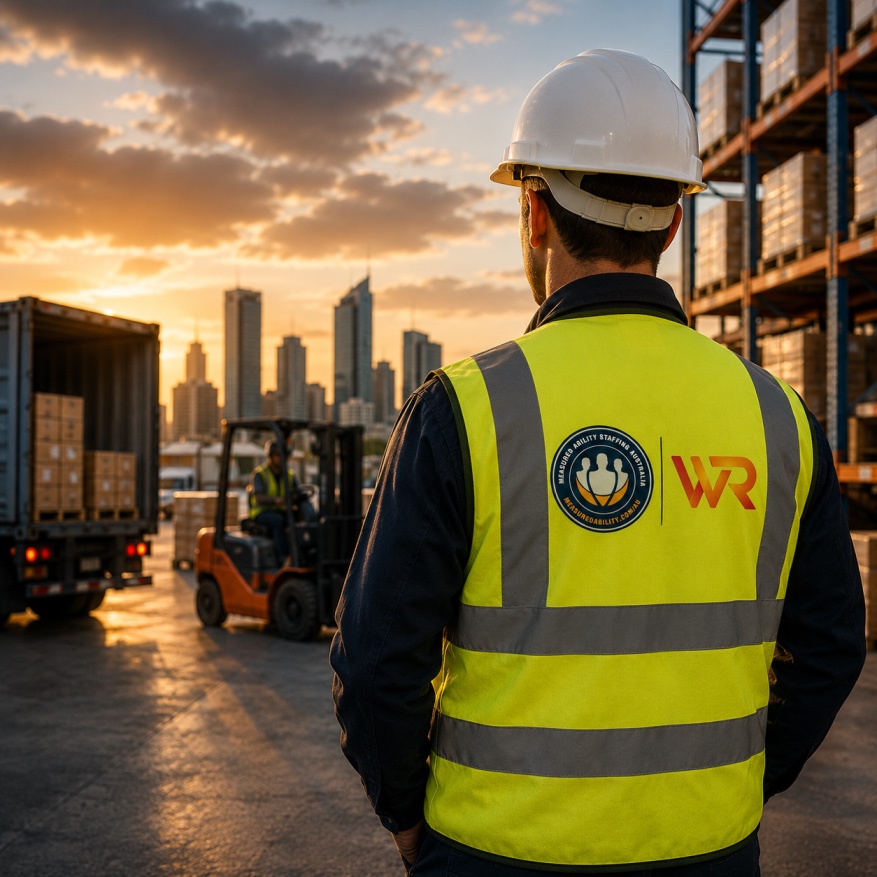
For many Perth businesses, overtime has quietly become the mechanism holding operations together.
Warehouses rely on it during dispatch surges. Manufacturers use it to maintain production schedules. Logistics businesses depend on it during delayed freight and seasonal spikes. Construction and infrastructure projects often rely on workforce flexibility to maintain project momentum and delivery timelines.
But growing discussion around workplace reform, overtime limitations, reduced working hours and restrictions surrounding after-hours employee contacts is raising an increasingly uncomfortable question for many employers:
What happens if workforce flexibility becomes significantly harder to maintain?
Across Perth’s industrial economy, businesses are already facing:
- labour shortages,
- rising workforce costs,
- overtime fatigue,
- operational bottlenecks,
- and increasing competition for skilled labour.
Potential changes surrounding workforce regulation are now adding another layer of complexity for employers already operating under significant staffing pressure and navigating evolving workforce compliance requirements.
For many businesses, the concern is not political. It is operational. Businesses still need to keep warehouses moving, maintain production, complete projects, fulfil deliveries, support customers and maintain productivity regardless of workforce pressure.
This is one of the reasons labour hire services and flexible workforce models are becoming increasingly important across WA industries, with many employers turning to a trusted labour hire provider, such as Measured Ability Staffing Australia (MASA), for practical, scalable hiring support.
Perth Businesses Are Already Under Workforce Pressure
Western Australia’s economy continues experiencing strong workforce demand across:
- warehousing,
- logistics,
- construction,
- manufacturing,
- transport,
- infrastructure,
- mining support,
- and industrial services.
Businesses are increasingly competing for:
- forklift operators,
- warehouse staff,
- pick packers,
- dispatch personnel,
- machine operators,
- trades assistants,
- construction labour,
- logistics staff,
- store persons,
- transport support personnel,
- and industrial workforce labour.
For many employers, labour shortages are no longer just causing recruitment delays. They are increasingly affecting day-to-day operations, placing pressure on productivity, project timelines and customer delivery expectations. As businesses struggle to fill critical roles, operational continuity can be disrupted, while existing employees are often required to take on additional workloads. This can lead to workforce fatigue, increased overtime costs and added pressure on teams that are already stretched thin.
Why Workforce Flexibility Matters
Many industries do not operate within fixed or predictable demand cycles.
Operational pressure can increase rapidly due to:
- project mobilisation,
- infrastructure works,
- seasonal demand spikes,
- delayed freight,
- inventory surges,
- manufacturing increases,
- shutdowns,
- weather disruptions,
- and unexpected supply-chain pressure.
Historically, many businesses have managed workforce shortages by relying on overtime, extended shifts and greater flexibility from existing employees. In many cases, teams have also provided after-hours support to maintain productivity and keep operations running smoothly.
But if workforce availability becomes more restricted, businesses may increasingly require more scalable staffing models capable of responding quickly without relying solely on existing employees working additional hours.
This is one of the reasons why flexible workforce solutions are becoming increasingly important for Perth businesses. Flexible staffing solutions allow businesses to:
- increase workforce capacity rapidly,
- reduce overtime dependence,
- maintain operational responsiveness,
- support project scalability,
- improve workforce agility,
- and reduce pressure on permanent teams.
For many businesses, workforce flexibility is no longer simply an HR issue. It is becoming a business continuity strategy.
Warehouse & Logistics Businesses Could Face Growing Pressure
Perth’s warehousing and logistics sectors continue experiencing particularly strong workforce demand, especially across industrial areas including:
- Kewdale,
- Welshpool,
- Wangara,
- Hazelmere,
- Canning Vale,
- Cockburn,
- and Perth’s broader industrial corridor.
Many warehouse operations currently depend heavily on workforce flexibility to manage:
- dispatch surges,
- delayed freight,
- fluctuating order volumes,
- inventory spikes,
- transport disruptions,
- and urgent fulfilment requirements.
Without scalable workforce support, operational bottlenecks can escalate quickly.
Construction & Manufacturing Sectors Are Watching Closely
Construction, infrastructure and manufacturing sectors may also face increasing operational complexity if workforce flexibility becomes harder to maintain.
Businesses operating across:
- infrastructure projects,
- civil works,
- manufacturing operations,
- industrial projects,
- commercial construction,
- shutdowns,
- and project mobilisation phases
often require workforce scalability during periods of rapidly changing operational demand. Many projects operate under strict delivery timelines where delays can create immediate operational and financial consequences.
Businesses Are Rethinking Workforce Strategy
Many Perth businesses are increasingly recognising that traditional workforce structures may struggle to adapt efficiently within increasingly regulated and operationally complex environments.
Businesses still require:
- responsiveness,
- scalability,
- productivity,
- operational continuity,
- and workforce reliability.
But they may increasingly need to achieve this through more flexible workforce models rather than relying heavily on overtime and workforce extensions alone.
This is why more employers are exploring flexible workforce support, including labour hire in Perth, scalable staffing solutions in Perth, industrial staffing partnerships and temporary workforce models that can adapt quickly as operational conditions change. For WA businesses, the ability to scale staffing up or down efficiently is becoming a practical advantage, not just a backup plan.
Staffing Solutions Backed by Broader National Capability
While many Perth businesses prefer working with locally established recruitment brands, many also require broader workforce capability and scalable staffing support across multiple operational sectors.
Businesses seeking reliable tailored staffing solutions and greater workforce flexibility can partner with Wood Recruitment for recruitment support designed to meet their hiring needs.
As workforce conditions continue evolving across Australia, businesses that secure scalable workforce solutions and reliable labour pipelines early will likely place themselves in a significantly stronger operational position than those still reacting to staffing shortages after productivity has already been affected.
The reality facing many WA businesses is becoming increasingly clear.
Operational growth now depends heavily on workforce flexibility, staffing responsiveness and access to reliable labour supply.
 By Daniel Stainforth