Western Australia’s growing defence sector is creating new opportunities for businesses and workers, including those who have built careers within the Australian Defence Force.
Current and former ADF personnel bring experience in areas ranging from engineering, logistics and project management to healthcare, trades, information management and security. They also bring capabilities that can be harder to capture on a résumé or CV, including leadership, teamwork, adaptability, discipline and risk management.
But moving from military service into civilian employment is not always straightforward. After years within the structure and culture of Defence, veterans can find themselves navigating an unfamiliar employment environment, including translating military experience into language understood by civilian employers.
Supporting the transition therefore requires more than simply recognising the value veterans can bring to a workplace.
The WA Government is increasingly looking to this cohort as part of the state’s future defence workforce. Its 2026–27 State Budget committed a further $400,000 to the Defence Industry Veterans Employment Scheme, funding 80 veteran-focused scholarships over four years.
Worth $5,000 each, the scholarships support veterans to upskill or cross-skill for employment in WA’s defence industry. More than 100 veterans have already received scholarships through the scheme.
The investment comes as major defence projects and the development of the Henderson Defence Precinct drive demand for skilled workers in WA.
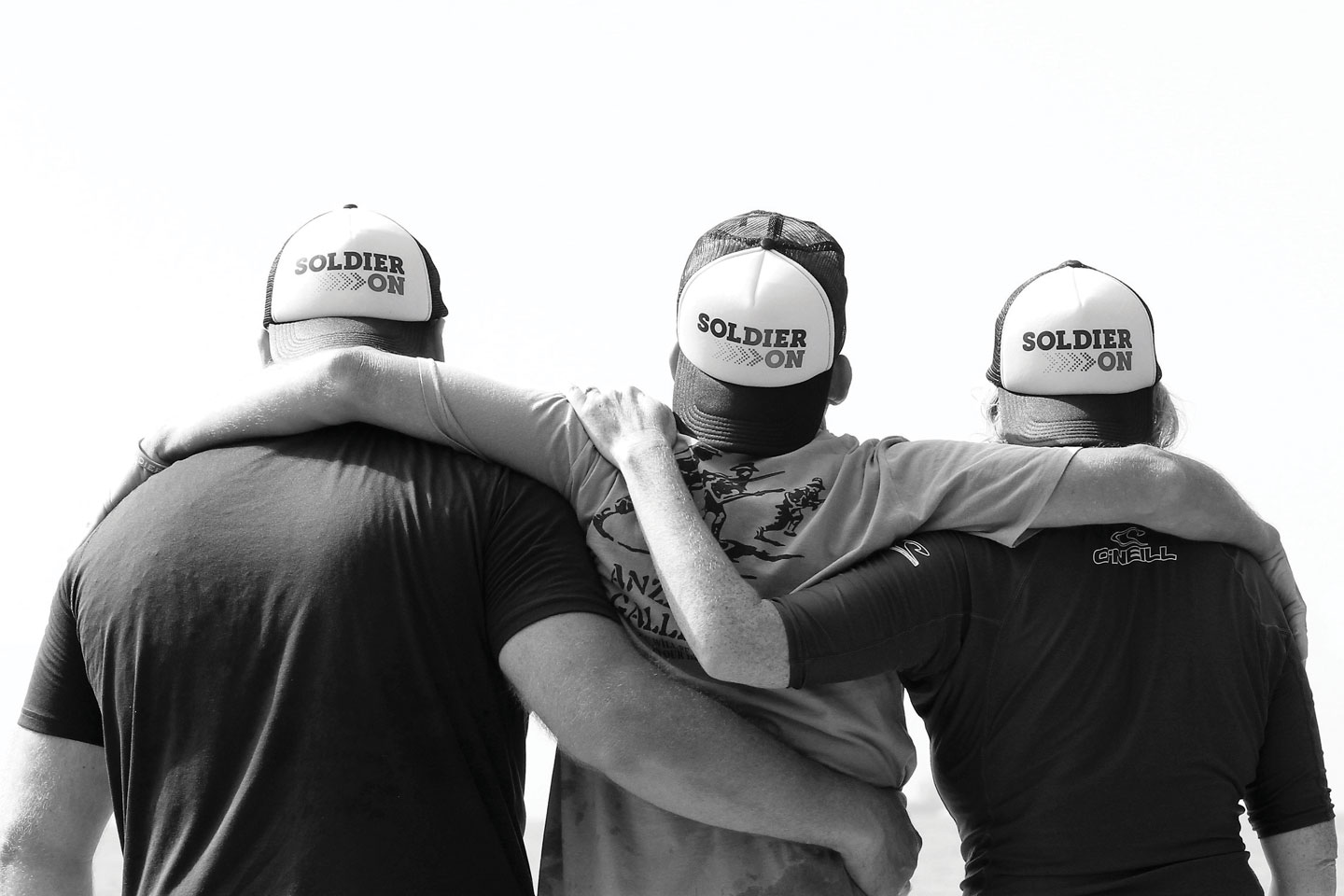
National not-for-profit Soldier On works with current and former ADF members and their families across employment, education, health and wellbeing, and social connection. Its employment support helps veterans identify career pathways, translate their experience into civilian roles, prepare for recruitment and connect with employers.
Soldier On Head of Philanthropy and Partnerships Daniella Bouari said corporate partnerships played an important role in extending that support.
“Partnerships like the one we have with Smart are instrumental in helping Soldier On raise awareness of the opportunities and challenges facing current and ex-serving Defence personnel and their families,” Ms Bouari said.
“Through workplace giving, employee engagement and sponsorship, Smart’s support enables us to expand the delivery of services across Australia, reaching more veterans and families when and where they need it most.”
Supporting the Defence community
Smart, Australia’s leading salary packaging, novated leasing and fleet management business, has worked with the Defence community for more than 25 years.
The business has supported more than 50,000 Defence members and today helps more than 600,000 customers across more than 3,300 employers nationally get more from their pay through salary packaging and novated leasing.
Smart Strategic Client Director Lauren McCarron said its long relationship with Defence had provided insight into the needs of serving members and their families.
“I've had the privilege of working with Defence personnel for many years, and one of the things that stands out is the strength of the relationship we've built over more than 25 years. For many Defence families, Smart has been part of their financial journey throughout their service career, and that's a responsibility we take seriously,” Ms McCarron said.
“Smart has had the opportunity to support more than 50,000 Defence members. What that has taught us is that behind every uniform is a person, a family and a future. Our commitment is to keep supporting that community with the same care, respect and dedication they've shown through their service.”
That support extends beyond Smart’s core services to education sessions on bases, family events and working alongside veteran organisations.
Ms McCarron said Smart’s focus on financial wellbeing complemented the broader support provided by Soldier On.
“Our role is helping Defence members improve their financial wellbeing, which is complementary to the greater work of organisations like Soldier On providing a sense of community, purpose and support when it's needed most.”
Translating experience into opportunity
Military careers can develop skills applicable across resources, construction, engineering, technology, logistics and professional services.
For employers, the challenge is looking beyond conventional career pathways and understanding how Defence experience can translate into a civilian organisation.
For veterans, a successful transition can involve determining what they want their next career to look like, building confidence in their capabilities and learning how to communicate them to prospective employers.
"We have brought our experience with Defence in house to benefit from the skill set veterans bring. Over the past year we've reviewed our recruitment, leave and workplace support settings through a veteran lens, introduced Defence Leave strengthened our hiring practices and built closer connections with veteran organisations,” Ms McCarron said.
That is why Soldier On approaches transition as more than an employment challenge. Its model recognises the connection between meaningful employment, education, wellbeing and social participation – and the role each can play in establishing life beyond military service.
Ms Bouari said the value of corporate involvement extended beyond financial contributions. “Beyond financial support, partnerships like this help build understanding, create connections and ultimately contribute to stronger outcomes for the veteran community,” she said.
As WA builds its defence capability, making better use of skills and experience developed within the ADF could strengthen both the state’s workforce and the communities that support it.