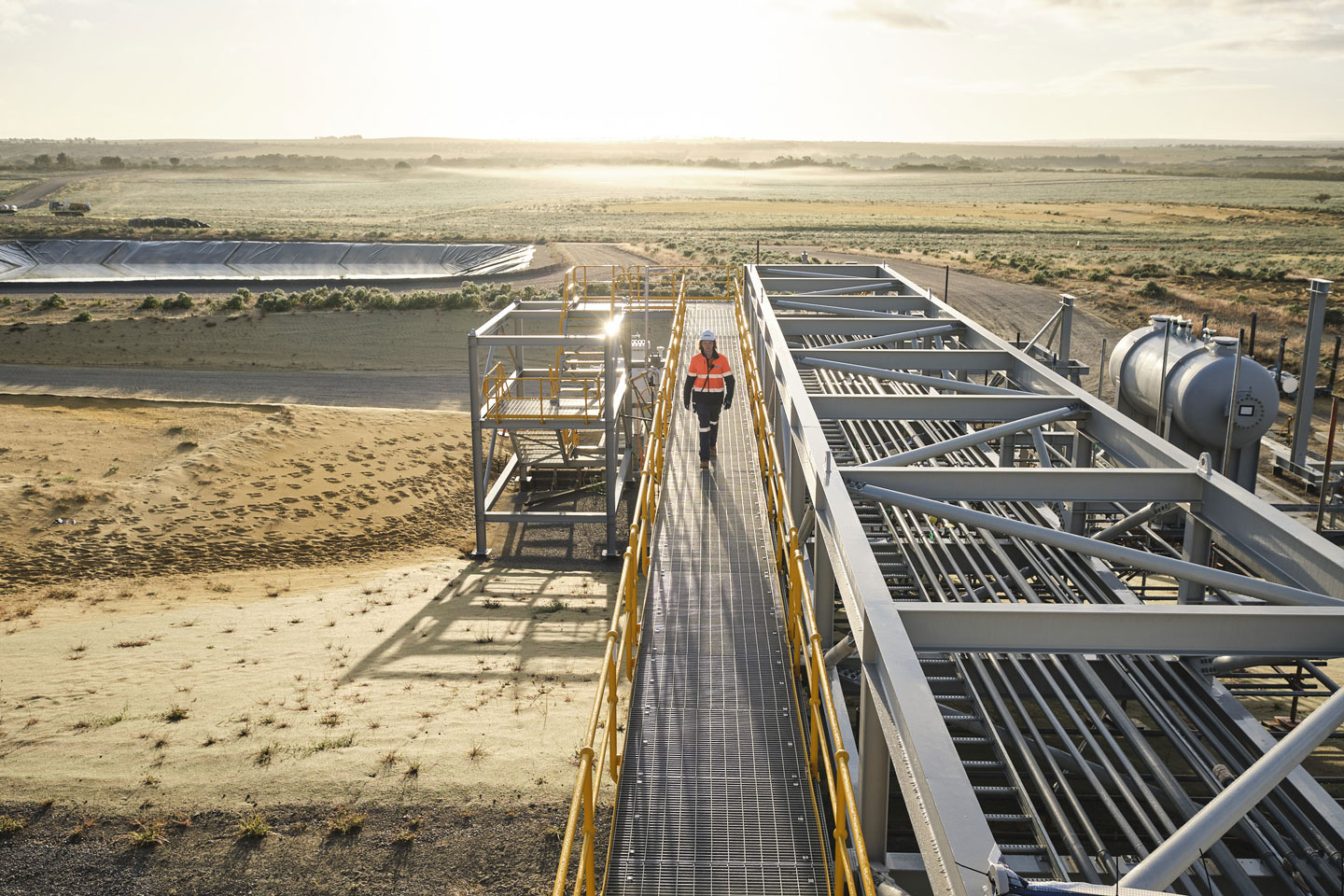
Western Australia is entering a defining period for its energy system. As the state moves towards cleaner generation, retires coal-fired power and responds to growing demand, the challenge is shifting from ambition to delivery – building the infrastructure, transmission, renewable generation, storage and firming capacity needed to support the transition.
“The energy transition is not simply about generation,” says Webuild Australia’s chief bidding and engineering officer John Galvin. “It requires the infrastructure, engineering capability and skilled people to connect, store and deliver energy reliably.” For Mr Galvin, that presents as much opportunity as challenge.
A century of building WA's energy future
Founded in Perth in 1919, Clough has played a role in some of WA’s landmark infrastructure projects, from the state’s first high-rise and the Narrows Bridge to the Graham Farmer Freeway tunnels and the Barrow Island oil-and-gas project that helped build WA's LNG industry.
Clough has delivered more than 200 major projects in WA alone, and Mr Galvin says that history matters more as the energy landscape evolves. “The expertise we've developed delivering major resources and energy projects – engineering, construction, safety, logistics, complex delivery – is a strong foundation for the next generation of infrastructure,” he says.
Since joining the Webuild Group in 2023, Clough has combined its local expertise with the global scale of one of the world's leading builders of hydropower and green infrastructure.
Transition is a construction challenge
The WA government plans to retire its state-owned coal-fired power generation by 2030. As renewable generation increases, the state will also need flexible, dispatchable power to keep the grid stable.
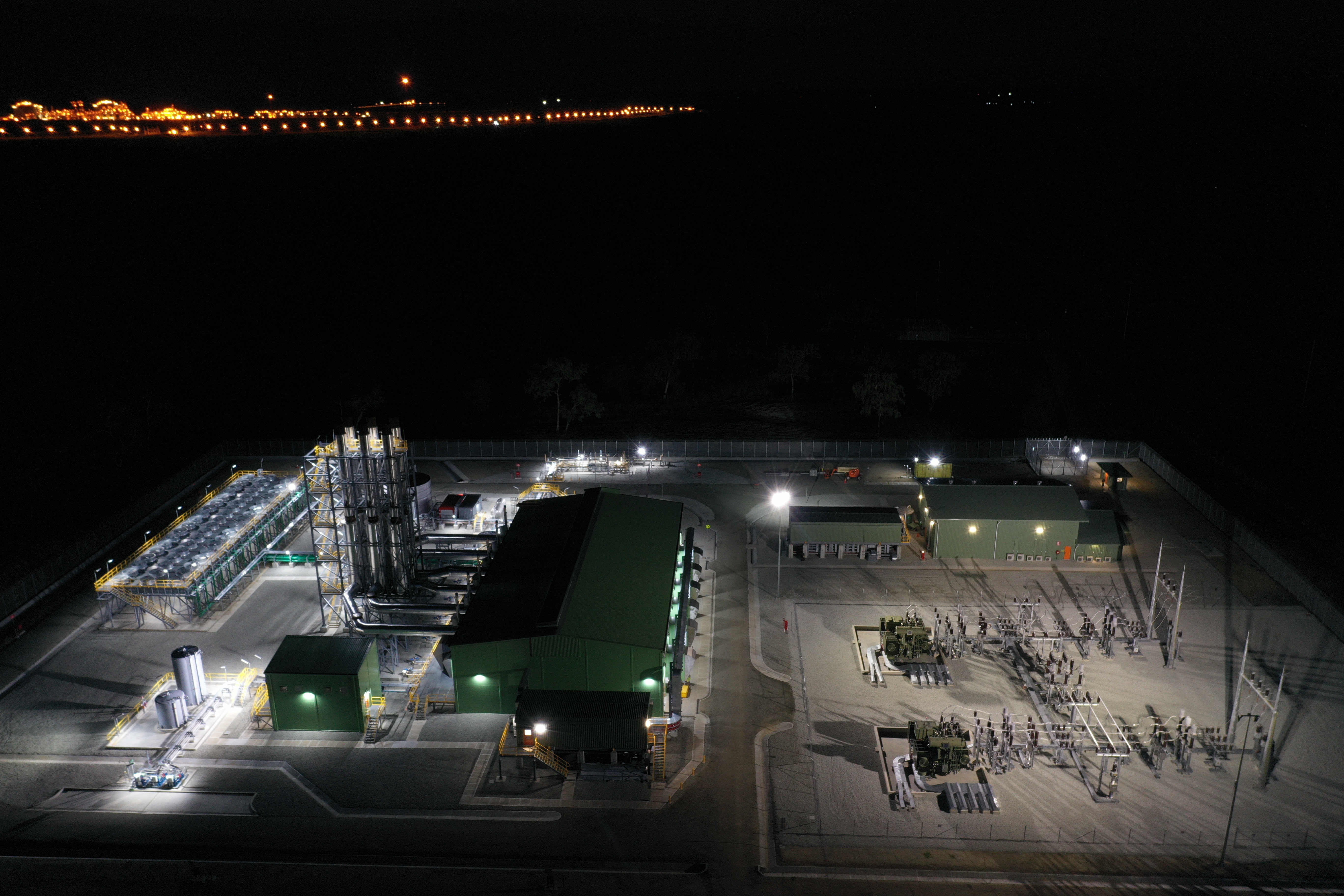
“That's what we're building at Kwinana,” Mr Galvin says, pointing to the $190 million AGL Kwinana Gas Power Generation (K2) project. The 220MW plant, being delivered by Clough as part of Webuild, will supply flexible backup capacity to the South West Interconnected System while creating hundreds of jobs and supporting supply chains.
The project, he says, highlights a broader truth: no single technology will deliver the transition. Webuild is building Snowy 2.0, the nation's largest renewable energy project under construction, and has delivered Tallawarra B, Australia's first hydrogen-capable large-scale gas-fired power station. “Together, these projects show the diversity of infrastructure a reliable, lower-emissions grid needs,” Mr Galvin says.
Why delivery matters
For Mr Galvin, the transition depends on more than new technology – it needs experienced teams able to deliver complex infrastructure safely, often alongside existing operations.
“A turbine in Kwinana, a hydro scheme in the mountains and an LNG facility in the Pilbara demand different solutions,” he says. “What connects them is the engineering expertise, project management, safety frameworks and local knowledge it takes to turn a plan into an operating asset.”
K2’s location beside the existing Kwinana Swift facility, which Clough helped build, also demonstrates how existing infrastructure and local project knowledge can support the next phase of WA’s energy system.
Building for the next 100 years
Mr Galvin is confident about what WA brings to the next phase: world-class renewable resources, an established energy and resources sector, and decades of experience delivering major infrastructure.
What's needed, he says, is government and industry working together to build the generation, transmission, storage and supporting infrastructure the state's potential depends on.
“WA has always been a place where ambition has been matched by the ability to deliver major projects,” Galvin says. “The energy transition gives us an opportunity to build on that legacy and create the infrastructure that will power the state's next century.”


 By John Galvin