Over-regulation has emerged as a problem for business and households, which could prove to be more damaging than high interest rates.
Some of the difficulties caused by excess government control on everyday activity can be blamed on the COVID crisis, which saw tough and, at the time, essential controls on the movement of people and freight by air and sea.
Other changes such as working from home hurt retailing and could be affecting the commercial property market as central city vacancies stay stubbornly high.
A decline in banking services is a separate case, with banks being punished by government with tough regulations for poor lending practices, which pre-date the pandemic.
Aviation is the hot topic today because costs, which came with cancelled flights and shortages of some equipment, have fed into Australia’s high rate of inflation (and higher rates), with tight regulations also providing a marvellous excuse for the industry to treat customers harshly.
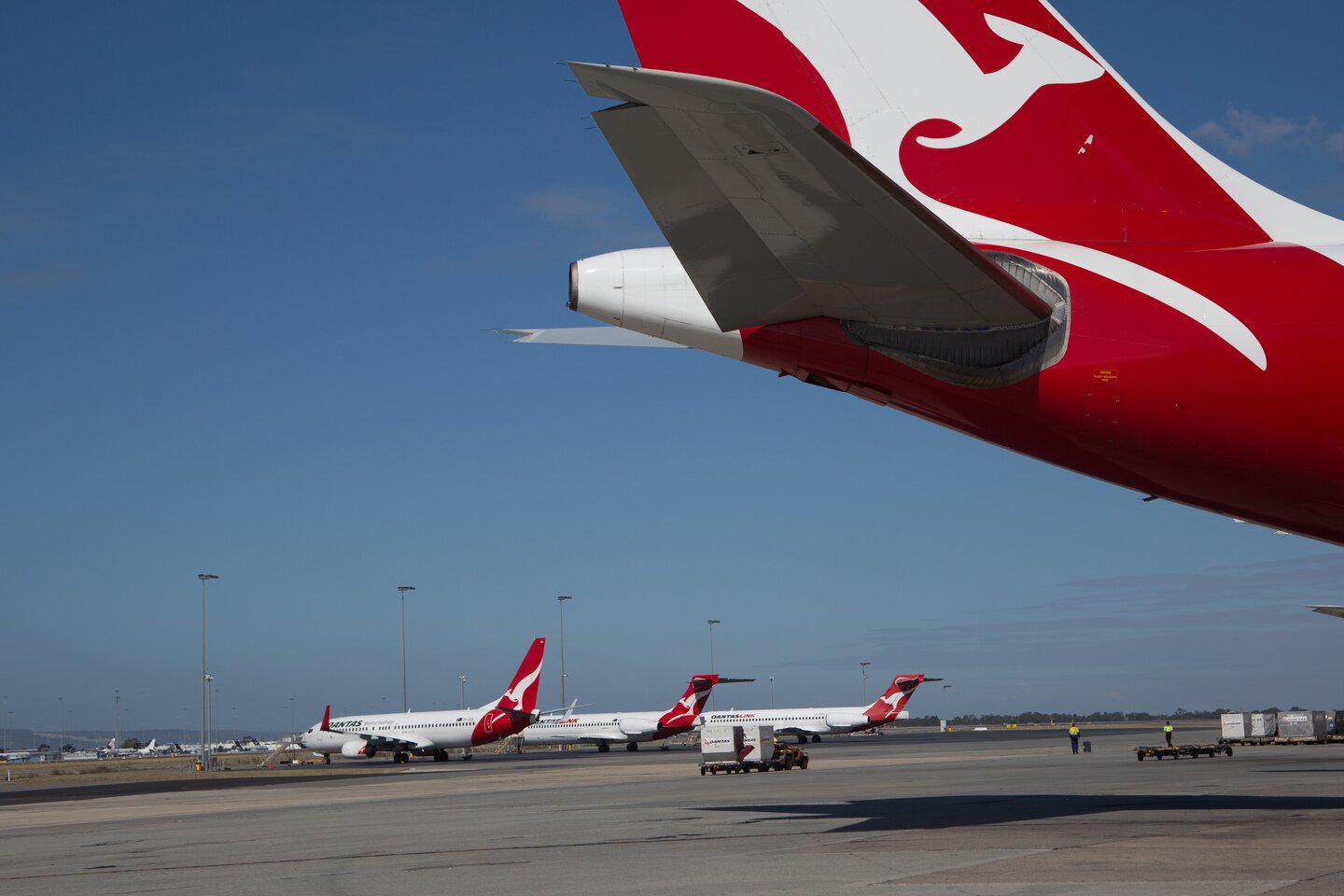
Qantas is a prime example of a company given full authority to bully travellers in the months after COVID rules were relaxed, bouncing them from flights, and cancelling services at a whim, without too many complaints at the time because the airline argued every move was essential for flight and health safety, and the government agreed.
But the behaviour of Qantas can now be seen as a scandal, with the appalling policy of failing to quickly refund customers for services not provided, and then the inexcusable decision to sell tickets on flights which had been cancelled.
Those actions were seen by Qantas as a legitimate way of ensuring profitability in the uncertain days after COVID when services were being re-established.
They look dishonest today.
The risk now is that having behaved badly, Qantas could find itself subjected to a stiff dose of the same sort of over-regulation that is dogging the banks.
Juggling flights to ensure every plane has a full quota of fare-paying passengers could be dropped under government pressure to run an air service in the same way a bus company runs its service, on time, with or without a full load, as promised when the tickets are sold.
Banks have discovered the high cost of over-regulation, as have their customers, with the people paying the highest price being those who can least afford it.
ANZ chief executive Shayne Elliott provided an excellent insight into what over-regulation is doing to his industry, with sharply higher compliance costs being passed directly to customers in the form of increased fees.
The real victims of over-regulation of the banks are the less wealthy, who would shift heaven and earth to service a mortgage but can’t get one to buy a house for their family because they are regarded as too poor and therefore too risky.
In Mr Elliott’s words “banking is becoming the preserve of the wealthy”, potentially freezing an entire generation out of the property market as well as other forms of credit such as car loans.
“If you can’t get a home loan or can’t start a business because the law makes it really hard for banks to lend to you, that means the economy is less dynamic,” he said.
Mr Elliott detailed the high cost of compliance with government regulations, many of which have been introduced to protect customers, but end up having the perverse effect of hurting customers.
He said compliance costs for ANZ to provide banking services in 2017 totalled 0.7 cents of every dollar in revenue. The cost today is 4.7 cents for every dollar.
Making banks safe comes at a price and the people paying are the poorest in society, which leads to an interesting question.
Is the government heading towards the creation of a new bank to walk in the footsteps of the once government-owned Commonwealth Bank, charging the new entity with providing loans to the less wealthy while also administering the shared equity scheme due to be launched next year.
Mr Elliott, perhaps without thinking through his comments, provided the perfect excuse for the government to re-enter banking, when he said: “I worry that we have created a system where banking or access to credit is just for rich people.”
Surely, Treasurer Jim Chalmers will not be able to resist that invitation.