Reporting season for most of the big miners operating in Western Australia will soon be in full swing.
This year, though, investors would be wise to question whether what they’re about to see will have any bearing on future profits.
The best that can be said is that the results of companies such as BHP, Fortescue, Mineral Resources and South32 are a snapshot of earnings in the aftermath of Covid, the Ukraine war, the latest Gulf war, and an up-down-up oil price.
More important than historic profits is the issue of ‘miner migration’, which is not a re-run of the 1890s gold rush when half of Victoria made the trek to WA in search of work as their state slipped into a jobless depression.
The modern version of miner migration is about companies uprooting themselves from WA in search of opportunities in places where they are more welcome.
South32 is the latest example of a business that started life with deep WA roots but is now heading for the exit, largely because management believes the grass is greener elsewhere (which it probably is).
The loss of South32 is happening through the sale of its Worsley alumina refinery to US aluminum specialist Alcoa.
Once that deal settles, South32 has little reason to remain Perth based, or anywhere in Australia given its residual assets consist of the Cannington silver-lead-zinc mine in Queensland (also for sale) and a part share of the Groote Eylandt manganese mine in the Northern Territory.
And while Brisbane, not Perth, is a logical place for South32’s next head office, that might not be for long, given the company’s plans.
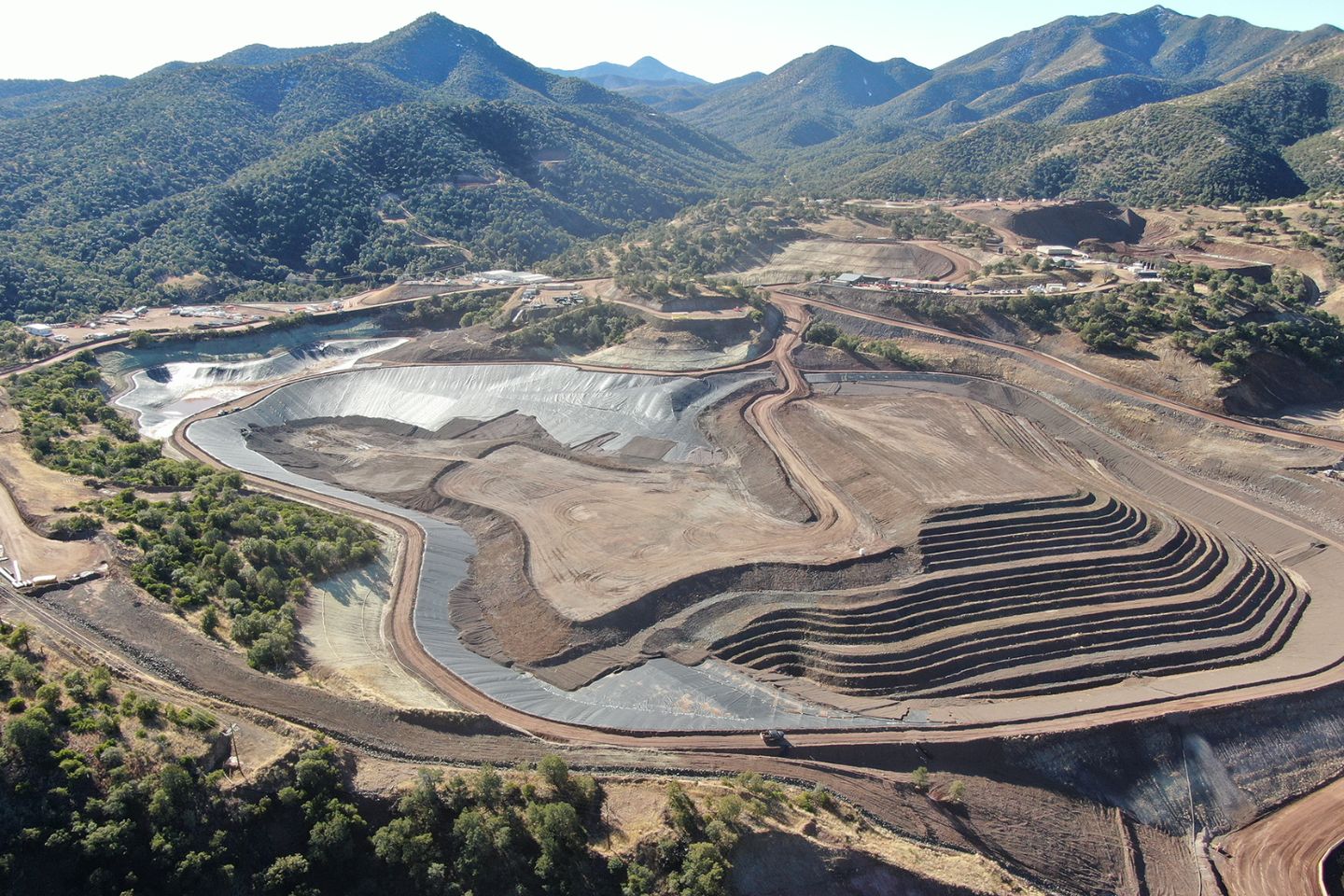
By this time next year, South32 will be a copper and zinc specialist with mines in South America (Sierra Gorda in Chile) and North America (Hermosa in Arizona) with a third on the way (Antler, also in Arizona).
The investment in overseas assets could eventually involve South32 locating its head office in Phoenix, the capital of Arizona.
South32, which has only existed for 11 years after its creation as a repository for BHP cast-offs, would not be alone in quitting Australia, which has drifted into a period of low growth, declining living standards, high inflation, and economically painful energy prices.
BHP is also on the move, directing most of its investment in new projects to North and South America while still looking for a way to buy South Africa-based Anglo American (Britain’s Barclays Bank tells clients that another bid could be brewing).
Rio Tinto, which will only be reporting its result for the six months to June 30, is also pulling back from WA, with its growth focus in South American and Asian copper, along with iron ore in Africa.
Asset sales are also high among Rio Tinto’s aims as its seeks to raise up to $US10 billion from streamlining the business and attempting to sell its South African titanium business, its Californian borates operation, and the electricity network serving its iron ore mines in the Pilbara.
Smaller miners have also moved or are moving, with the best example being Sandfire Resources, which started with the Doolgunna copper mine in WA’s North West but is now a copper producer in Spain and Botswana.
The common theme in WA mining today (with gold an exception) is that there are more assets being sold, closed, or scaled back than being developed.
Australia’s geology remains appealing, but its union-led governments and aggressive anti-investment tax policies are outweighing the attraction of what’s in the ground.
Driving policy
JUST when you might have thought Australian tax policies could not become any worse for WA, follow the debate around a shift from petrol excise (which is a tax) to a road user charge as electric vehicles (EVs) overtake cars with internal combustion engines.
Exactly how a road-user tax system would work has not yet been explained, but if it’s on the basis of kilometres travelled and the weight of vehicles, WA is already on the losing side of any decision thanks to its vast distances and heavy-haulage requirements.
The difference with other states means it would be more sensible to have a state-based system that allows for WA’s vast distances, though there is already a push to make it a national tax based simply on kilometres travelled; a system that would hit WA road users hardest.