ASEAN Business Alliance sets sights on trade and stronger WA ties




Western Australia’s ASEAN business community is strengthening its focus on trade, investment and regional connections as the ASEAN Business Alliance enters its next phase of growth.
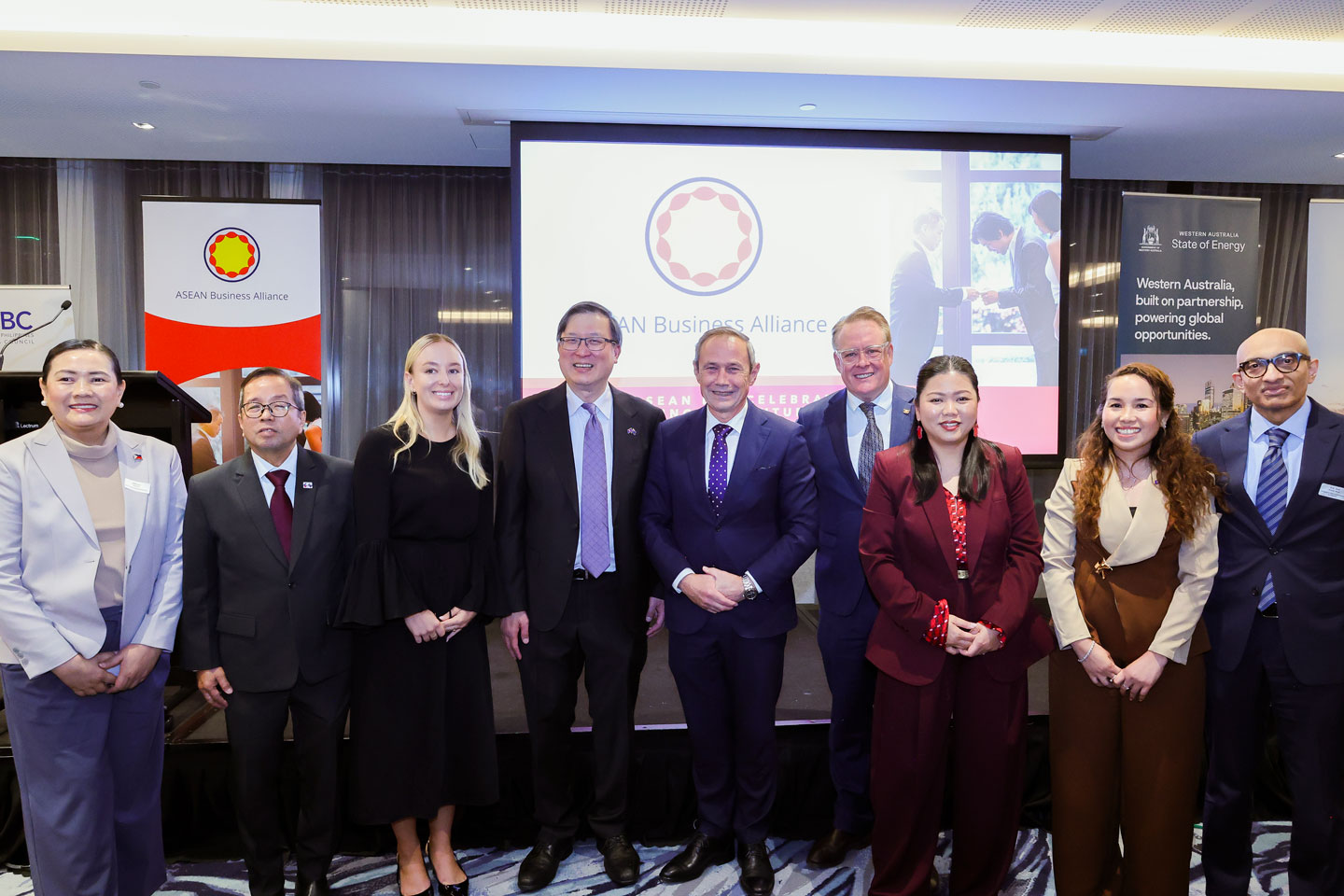
The ASEAN Business Alliance brought together business, government and diplomatic leaders for its 2026 ASEAN Day Celebration at DoubleTree by Hilton Perth Waterfront on August 24, highlighting the growing importance of Western Australia’s relationship with South-East Asia.
Premier Roger Cook joined Philippines Ambassador to Australia Antonio Morales and Singapore High Commissioner Anil Kumar Nayar among prominent guests at the event, alongside members of the consular corps and representatives from government, universities, local councils and WA’s business community.
The event also marked a significant year for the alliance, with the Philippines holding the ASEAN chairmanship in 2026 and two new full members joining the WA-based organisation.
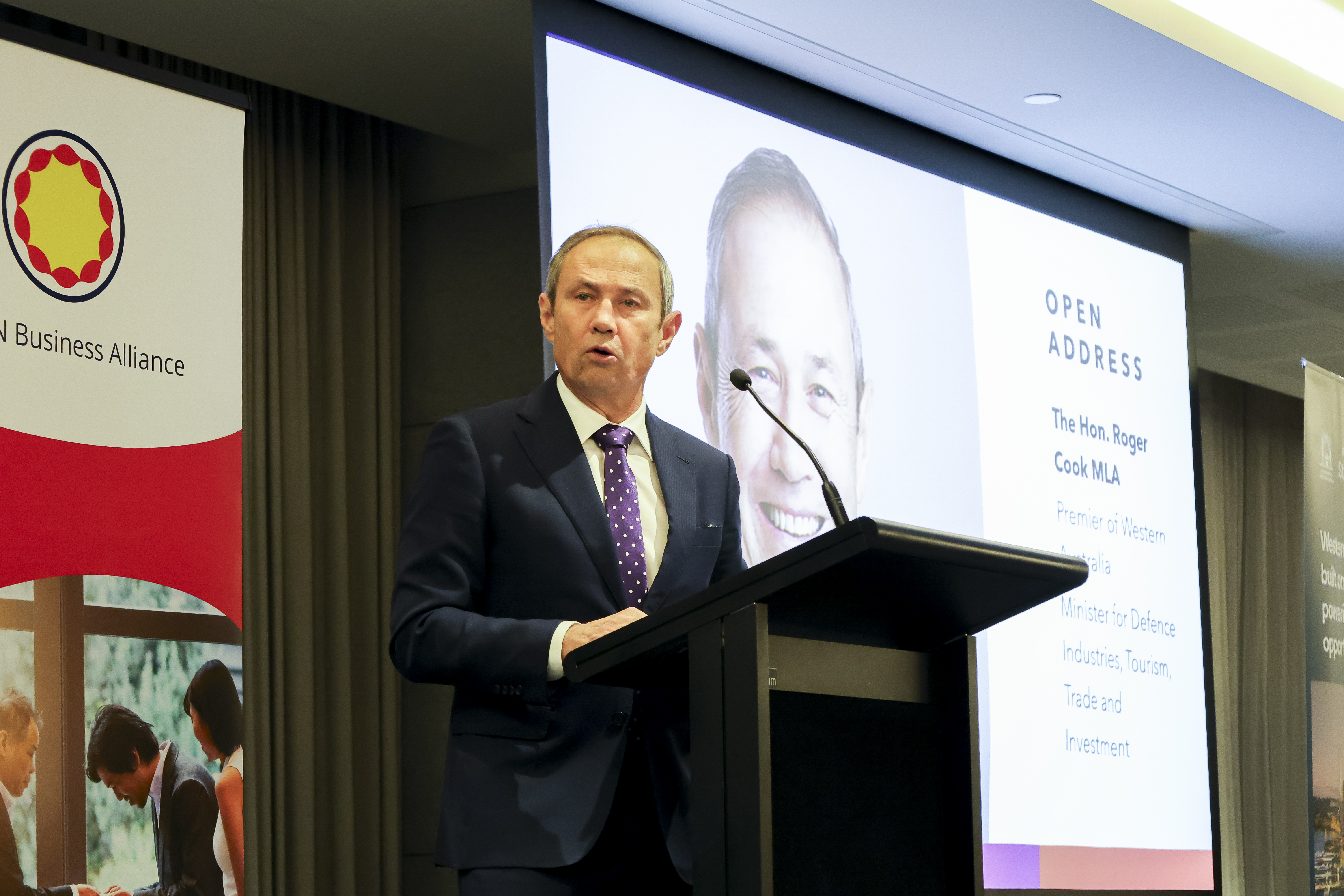
Addressing the event, Premier Roger Cook described the relationship between Australia and ASEAN as “one of the most important partnerships of our region”, built over more than five decades of trade, investment, education, cultural exchange and friendship.
“For Western Australia, ASEAN is not only our neighbour, but a vital partner in shaping our shared future,” Mr Cook said.
“Last year, Western Australia’s total goods trade with ASEAN countries totalled $32.9 billion. To put that into perspective, if the ASEAN region was considered a single market, it would rank as our state’s second-largest trading partner.”
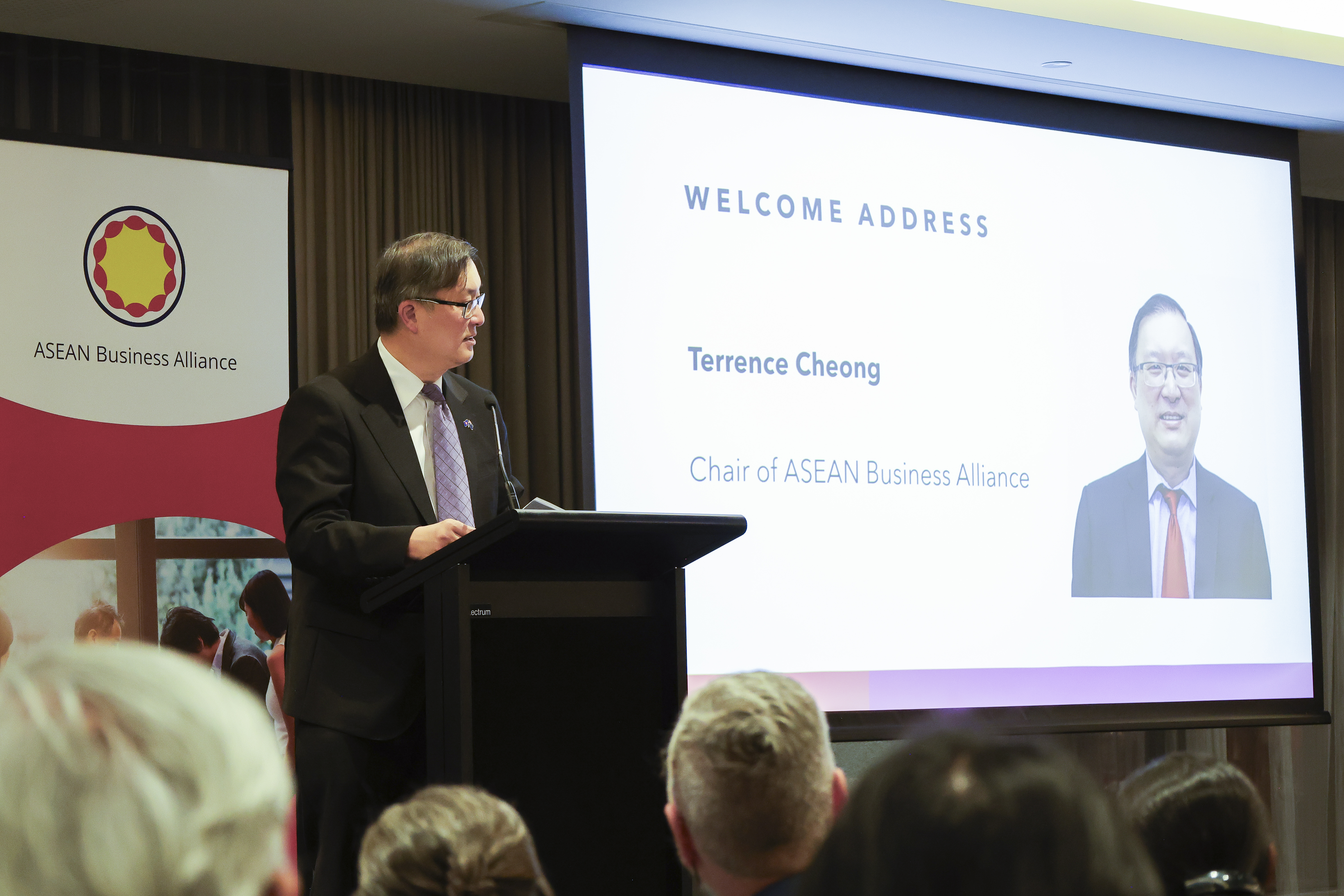
For ASEAN Business Alliance chair Terrence Cheong, who took over the role from founding chair Dr Sandy Chong at the beginning of this year, the celebration represented both an opportunity to showcase the strength of WA’s ASEAN business community and a platform from which to build its next chapter.
The alliance has grown considerably since it was established six years ago, bringing together nine business councils representing ASEAN nations in Western Australia.
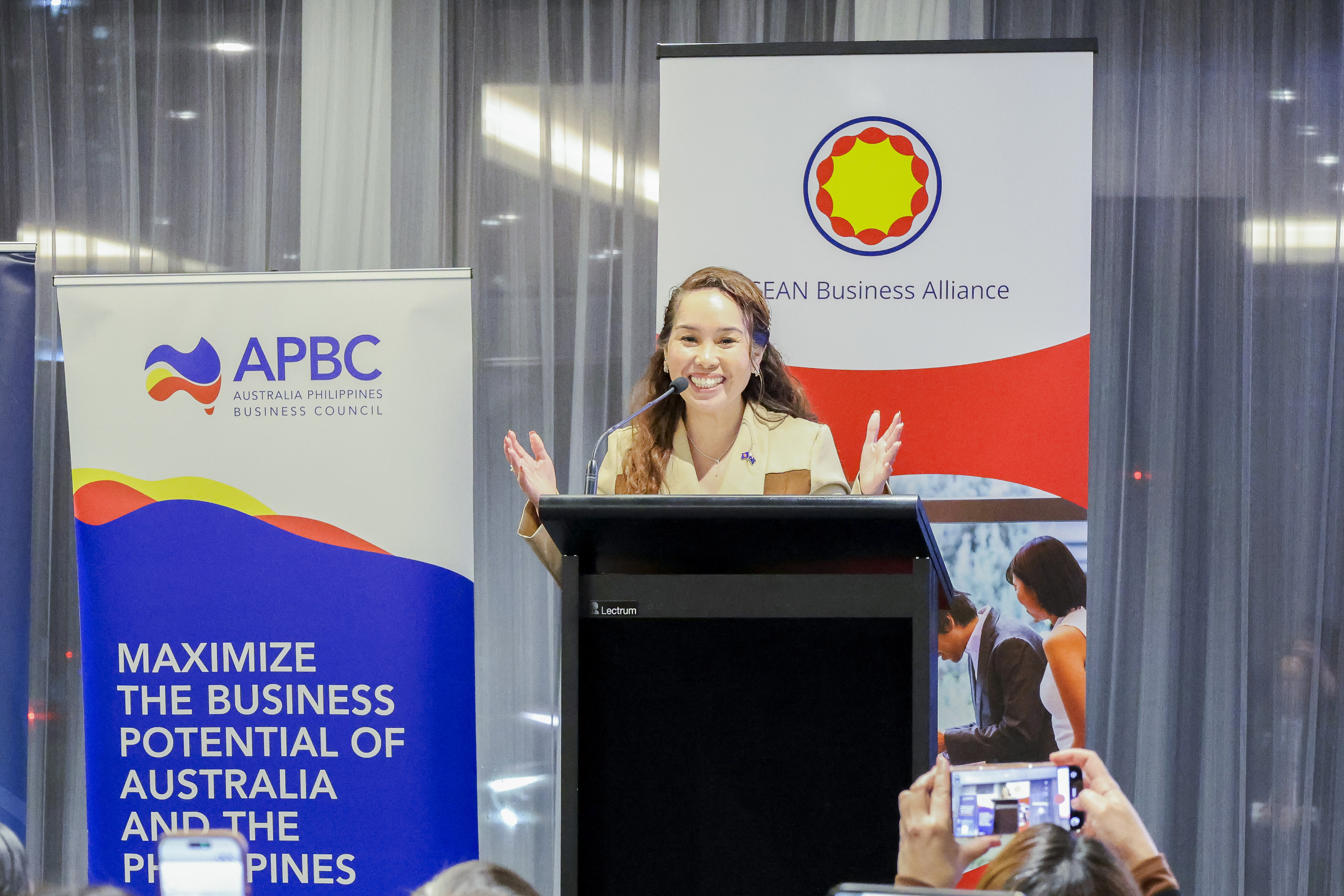
Australia Philippines Business Council and ASEAN Business Alliance President 2026 Jenny Rose Ryall said bringing those organisations together gave the region’s individual business communities a stronger collective voice.
“Unity is strength,” Ms Ryall said. “Some of the countries are quite small, but together, that is different.”
The collective approach also allows the ASEAN Business Alliance to bring together government, diplomatic and business representatives at a level that individual councils may find more difficult to achieve alone.
The alliance now comprises business councils representing Indonesia, Singapore, Malaysia, Thailand, Vietnam, Laos, the Philippines, Brunei and Myanmar, with the Australia Malaysia Business Chamber of WA and National Australia-Vietnam Chamber of Commerce and Industry becoming full members in early 2026.
Their inclusion gives the ASEAN Business Alliance greater capacity to promote trade and investment opportunities across a region encompassing economies at different stages of development and with diverse areas of strength.
Ms Ryall said that diversity created opportunities for collaboration. “Different countries do focus on different things, which I think is good because they complement each other,” she said.
While some countries compete in particular sectors, Mr Cheong said collaboration through the alliance could help create broader opportunities for WA and its ASEAN partners.
Western Australia’s geographic proximity to South-East Asia, combined with established trade relationships and the state government’s presence across the region, provides a strong platform from which to deepen those connections.
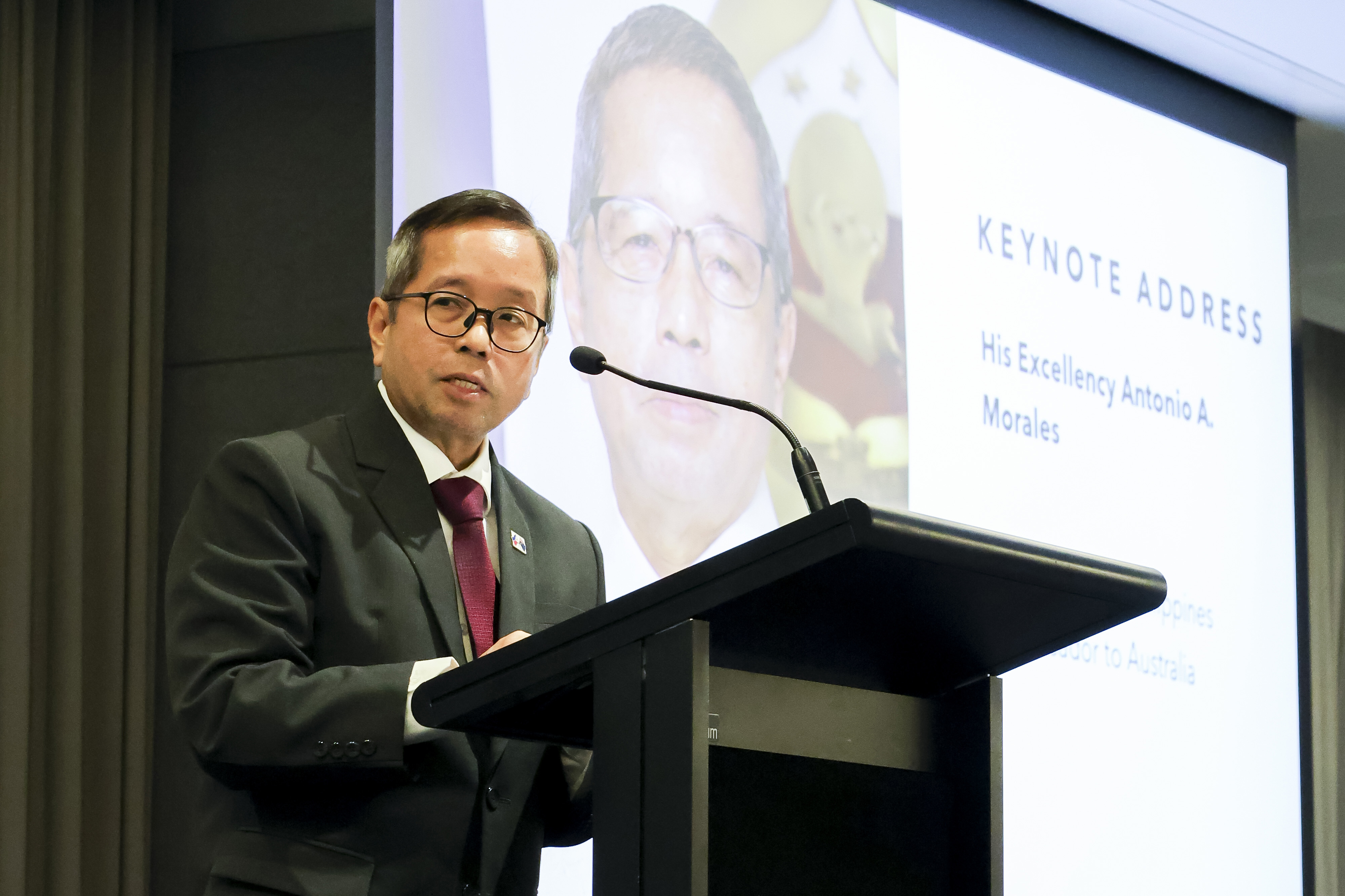
Philippines Ambassador to Australia Antonio Morales also highlighted WA’s geographic proximity to ASEAN, growing trade and investment links and strong people-to-people connections with South-East Asia.
He said the Philippines’ 2026 ASEAN chairship priority of Prosperity Corridors sought to strengthen trade and investment, connectivity and economic integration across the region, with efforts to reduce barriers helping create a more predictable and efficient environment for businesses.
Mr Morales also highlighted the role of initiatives such as the ASEAN Day celebration in bringing governments, businesses and communities together to build greater understanding and confidence.
Mr Cheong said the ASEAN Business Alliance saw its role as complementing government efforts by connecting businesses with networks, market knowledge and the cultural capabilities needed to operate successfully across ASEAN markets.
The alliance is now looking to put trade even more firmly at the centre of its activities.
Among the ideas being explored is an ASEAN conference or trade expo, potentially held in conjunction with the annual ASEAN Day celebration, which could create a larger platform for businesses and delegates from WA and the region to connect.
The ASEAN Business Alliance is also exploring larger joint events with other international business groupings, as well as greater collaboration with universities and local governments.
Mr Cheong said practical events could help businesses better understand ASEAN markets, including cultural capability, business etiquette and the different commercial environments across South-East Asia.
Over the next 12 months, the alliance’s priorities will centre on three areas: embracing change internally, sharpening its trade focus and building greater connectivity.
Mr Cook said the importance of those connections extended beyond trade.
“As we face an increasingly complex global environment, the Australia-ASEAN relationship remains a powerful force for stability, prosperity and cooperation right across the region,” he said.
Internally, that includes modernising administrative systems, strengthening memorandums of understanding with partner organisations and developing a new website, with a goal of eventually providing a shared calendar of events across the nine member councils.
Externally, the ASEAN Business Alliance plans to deepen relationships with the WA Government, universities, local councils, sponsors, partner organisations and other national and international business alliances.
Education will also become a greater part of its work. At this year’s celebration, the ASEAN Business Alliance announced plans for new ABA Academic Excellence Awards recognising high-performing ASEAN university students in WA.
From next year, the alliance plans to recognise top ASEAN students from participating university business schools, with awards expected to include financial recognition and opportunities for mentoring or internships through the relevant business councils.
Mr Cheong said the initiative could help build enduring links between Australia and the region by recognising international students who may eventually return home.
“We want these people to be ambassadors of Australia when they go back to their country,” he said.
The 2026 celebration also recognised the contribution of founding chair Dr Sandy Chong, who was presented with a plaque acknowledging her significant contribution to establishing and developing the alliance.
Mr Cheong said Dr Chong had helped build the organisation’s profile and key stakeholder relationships, providing a strong foundation for its next phase.
Now in his first year as chair, Mr Cheong wants to build on that foundation by making the alliance’s activities increasingly commercially focused and creating more opportunities for its members and WA businesses to engage directly with the region.
With nine ASEAN business communities now represented within the alliance and new partnerships being developed across government, education and industry, its next phase will focus on turning the strength of those connections into greater opportunities for trade, investment and collaboration between Western Australia and South-East Asia.
NINE COUNCILS, ONE ALLIANCE
The ASEAN Business Alliance brings together nine Western Australian business councils representing ASEAN nations, providing a collective platform to strengthen business, trade, investment and community connections between WA and South-East Asia.
Indonesia Chamber of Commerce WA (ICCWA)
Led by President Agata Dharma, ICCWA represents and supports business connections between Western Australia and Indonesia.
WA Singapore Business Council (WASBC)
Led by President Brian Liau, WASBC promotes business, trade and professional connections between Western Australia and Singapore.
Australia Malaysia Business Chamber of WA (AMBCWA)
Led by President Jey Ramachandran, AMBCWA became a full member of the ASEAN Business Alliance in 2026.
Australia-Thailand Business Council WA (ATBC WA)
Led by Chris Moor, who also serves as ASEAN Business Alliance secretary, the council supports business connections between WA and Thailand.
National Australia-Vietnam Chamber of Commerce and Industry (NAVCCI)
Led by President Ky Cao, NAVCCI joined the ASEAN Business Alliance as a full member in 2026, further strengthening Vietnamese representation within the alliance.
Australia Philippines Business Council (APBC)
Represented within the alliance by Jenny Rose Ryall, the APBC supports commercial connections between Australia and the Philippines. Ms Ryall is ASEAN Business Alliance President for 2026, reflecting the Philippines’ ASEAN chairmanship.
Australia Laos Business Association WA (ALBA WA)
Led by President Toto Boutdara, who also serves as ASEAN Business Alliance treasurer, ALBA WA represents the Laos business community within the alliance.
Australia Brunei Business Council (ABBC)
Led by President Chris Leong, ABBC promotes connections and opportunities between Western Australia and Brunei.
Myanmar Business Council WA (MBCWA)
Led by President Annika Htun, MBCWA represents Myanmar’s business and community interests within the ASEAN Business Alliance, contributing to the alliance’s broader ASEAN network.
Together, the nine councils give WA businesses a single point of connection to a diverse region while retaining the individual market knowledge, networks and cultural expertise of each member organisation.