





As human beings we are very good at beginnings, for some inexplicable reason starting something feels easier than finishing it. To start something is to look towards the future with anticipation and wonder. Young love holds the possibilities of a future together; a newborn baby holds hope for what they might become. When we join an organisation or start a new business venture there is excitement about where this new direction will take us. We are good at beginnings, endings not so good.
As I move into the twilight of my career I’m becoming increasingly interested in how leaders navigate endings. Organisational Psychologist from Kaleidoscope Development, Emma Pearson has spent thirty years working with organisations, leaders and teams on successful organisational change stating,
“Leaders are often rewarded for their visibility, control and personal achievements. Yet far less attention is given to the developmental shift that may eventually be required of them: the movement from building and proving, towards stewardship and passing on. Every position we hold will eventually be occupied by someone else. Every contribution we make will one day be absorbed into a wider flow of continuation and change. Awareness of this reality can produce fear, defensiveness and clinging, or it can deepen perspective, humility and care for what comes next.”
Founder and CEO of Leading Well, Vanessa Fudge firmly advocates that a good leader will ensure someone’s ending at an organisation, whether retirement or resignation, is just as positive as their beginning. Employees need to be thanked directly with their contributions widely acknowledged. The farewell rituals are just as important to those staying as to those going, it is an indicator of their worth and a reminder that they will be honoured in the future. Great leaders don’t leave endings to chance, they plan them. They ask “What’s the purpose of this ending? What’s the message we want to send? What’s next?”
Retirement parties can’t be a tick the box exercise from HR states Dianne Wilkinson from Connected to Excellence . In a recent blog she shared the example of two members of staff who left their roles around the same time. One was an administrator who had given 52 years of service and the other a senior doctor. When it came to the goodbyes the doctor received a farewell with speeches and extravagant catering, whereas the administrator received a small morning tea with cold sausage rolls. The message to others was clear, in this organisation some people matter more than others. Wilkinson believes that “great leaders don’t allow hierarchy to dictate gratitude.”
Leadership theory tends to focus on vision and progression, but when endings are handled effectively the positive repercussions can be felt across an entire organisation. When handled poorly there are hidden costs, engagement can be eroded and productivity diminished, all because someone served up cold sausage rolls and forgot to buy a gift.
The Bridges Transition Model developed by William Bridges in his 1991 book Managing Transitions focusses on the human and psychological side of change rather than the external event itself. Change is the external event, such as the retirement of a staff member. Transition is the inner psychological process that people go through as they process and come to terms with what this change has brought. His framework is widely used in organisational psychology today, with Bridges believing that there are three stages of transition; Endings, Neutral Zone and New Beginnings.
According to Bridges transition starts with an ending, where people identify what they are losing and learn how to manage that loss. Once they have let go, they enter the neutral zone, this is when the old is gone but the new is not quite functional. This is where toxic culture can be wiped clean or paradoxically (if not managed correctly) can be when positive culture fostered over years by an individual can be lost forever. The neutral zone is when staff can feel confused and distressed, but it is also the basis for new beginnings. The final stage of Bridges framework is beginnings, this is marked by a release of energy into a new direction, with fresh understandings, values and attitudes. According to Bridges “well-managed transitions allow people to establish new roles with an understanding of their purpose, the part they play and how to contribute and participate most effectively.”
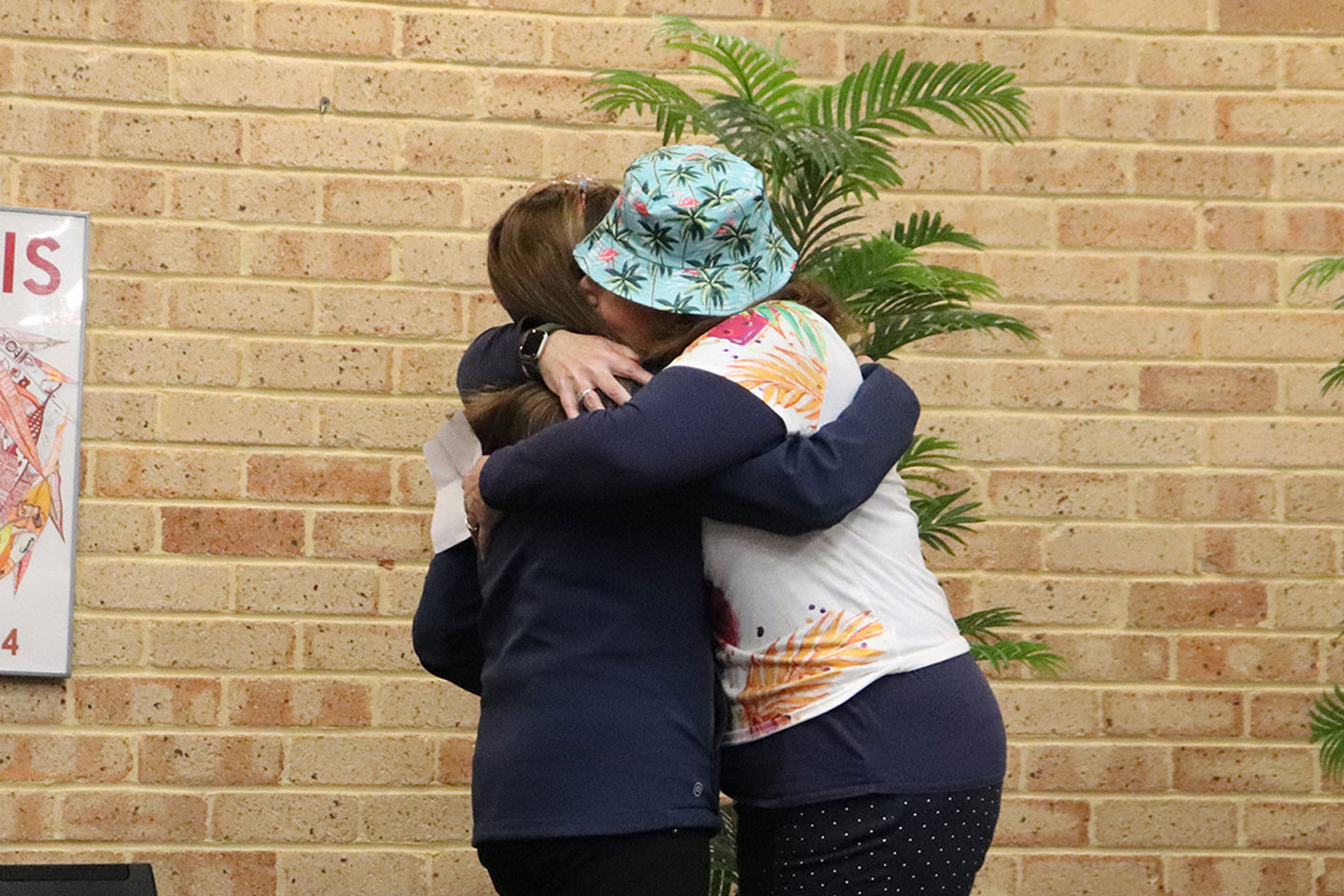
Farewell rituals are something schools are very good at, every year our Year 12 students engage in a festival of goodbyes, with the hope that by the time the last shirt has been signed our students are ready for their new beginnings. The same care and consideration should be given to your staff, a heartfelt email regarding a person’s departure, a meaningful farewell party, the importance of these rituals should not be underestimated, they are the markers of great organisations and great leaders.
Private Schools
| 1st | - | St Stephen's School | 2,318 |
| 2nd | - | Australian Islamic College Kewdale | 2,070 |
| 3rd | - | Newman College | 1,946 |
| 4th | - | Frederick Irwin Anglican School | 1,920 |
| 5th | - | St Mark's Anglican Community School | 1,898 |

